شارٹس

This lecture emphasizes the reciprocal relationship between a believer and God. Remembering God leads to God remembering the believer, fostering a deep spiritual connection. The discussion highlights the importance of sincere remembrance (zikr) in gatherings and individually, leading to divine response and acceptance. True faith requires unwavering loyalty, love, and making God the ultimate beloved, surpassing all other desires and goals. This establishes a profound bond where God alone becomes the purpose and objective of life.

95

This lecture discusses the severe consequences of hypocrisy and seeking recognition for acts of worship. It highlights that genuine devotion is motivated by sincerity to God, not by the desire for worldly praise. The speaker explains that individuals who perform good deeds with the intention of gaining recognition will receive no reward in the afterlife. The lecture emphasizes the importance of inner faith and the distinction between actions performed for God's pleasure and those performed for public acclaim. It also addresses the dangers of ostentation in charity and the importance of pure intention. Ultimately, the message is a warning against superficial religious practice and a call for genuine piety. The speaker stresses that only God knows the true state of one's heart.
56

The text details the events of the Battle of Karbala. Twenty families from the Banu Hashim clan fought bravely alongside Imam Hussain, sacrificing their lives. The battle saw intense fighting, with many from the Banu Hashim martyred. A young child of Imam Hussain was also among the martyrs. All male members of Imam Hussain's household were killed except for his son, Ali Zayn al-Abidin, who was ill and unable to participate. This occurred in 61 AH, exactly fifty years after the passing of the Prophet Muhammad.
92

This lecture emphasizes that the Quran is a manifestation of Allah’s grace and mercy, offering guidance in this world and reward in the hereafter. It surpasses all worldly possessions – wealth, property, business ventures, and luxurious homes – in value. The Quran provides true joy and is a source of ultimate contentment, offering a path to spiritual fulfillment far beyond material gain. It is a complete guide for life, providing both worldly direction and eternal reward.
57
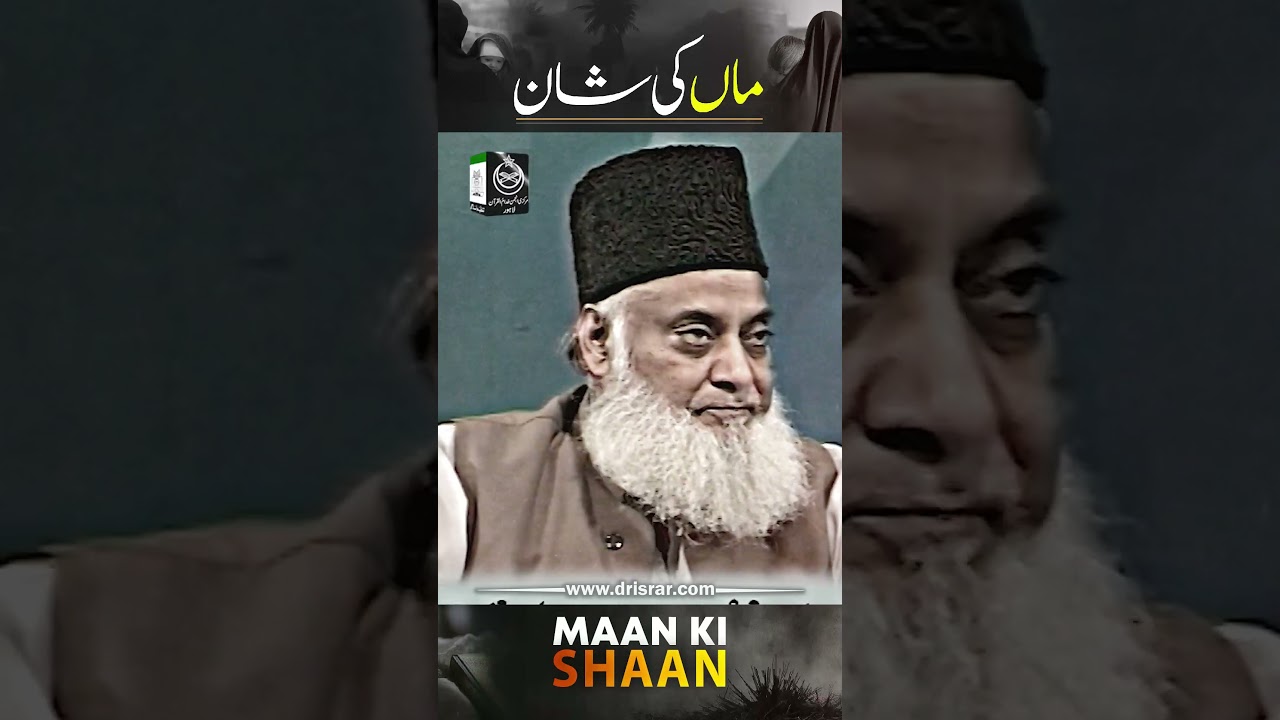
This lecture details the immense sacrifices parents make, particularly mothers, during pregnancy and early childhood. It highlights the physical and emotional burdens mothers endure, from carrying the child in the womb for nine months to nurturing and feeding them for two years. The text emphasizes the profound debt of gratitude children owe their parents, both for their care and as a reminder of our ultimate return to God, mirroring the parent-child relationship. It stresses that acknowledging and appreciating parents is a fundamental aspect of faith and righteousness.
66
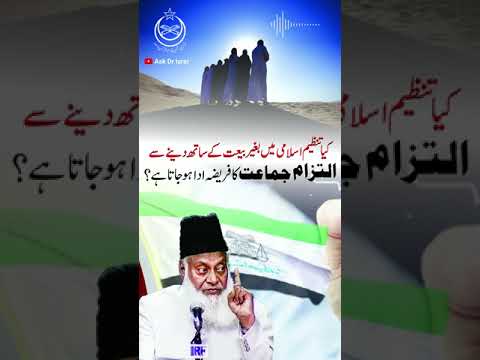
This lecture clarifies the distinction between cooperation and organizational commitment within the context of establishing religious practice. Cooperation allows for individual discretion; participants can choose when and how to contribute. However, joining an organization, specifically Tanzeem-e-Islami, requires a pledge of allegiance, or *ba’it*, relinquishing personal autonomy to adhere to the organization’s discipline and fulfill its collective objectives. This commitment is foundational to the organization’s structure and its effectiveness in fulfilling its religious mission. The lecture emphasizes that true dedication to establishing faith necessitates joining an organized structure through a formal commitment.
55
