Korte broek
This lecture addresses the current global turmoil as a symptom of a deeper longing for the guidance embodied by the teachings of Muhammad. It emphasizes the need for Muslims to actively work towards fulfilling the objectives of the Prophet’s mission, focusing on spiritual and practical reformation. The speaker highlights that true progress for the Muslim community lies in returning to the principles and practices established at the beginning of Islam, prioritizing faith, devotion, and righteous living. The lecture warns against violent extremism and advocates for peaceful, constructive engagement in society. It emphasizes that reformation must stem from a genuine understanding and implementation of Islamic teachings.

49
It is a universally acknowledged truth that among all books claiming divine origin or containing the word of the universe’s creator, only the Quran maintains complete textual integrity. No other scripture has remained fully preserved in its original form. All other claimed divine texts have undergone alterations or lack complete historical corroboration of their original content. This lecture details the unique preservation of the Quran.
47
The Prophet Muhammad (peace be upon him) observed a group discussing the Quran, not in a formal lecture, but in a lively exchange. He inquired if they bore witness to the truth of the declaration: ‘There is no god but Allah, and I am His Messenger, and this Quran is from Allah.’ They affirmed their testimony. The Prophet then instructed them to rejoice, for the Quran is a treasure both in their hands and with Allah.
51
This lecture emphasizes that the completion of divine law through the Prophet Muhammad (peace be upon him) necessitates adherence for personal growth and fulfillment. It clarifies that Islamic law is not a burden but a guide for navigating life’s challenges, using the analogy of road signs on a dangerous mountain path. These signs, like the tenets of Shariat, are preventative measures designed to ensure safety and lead individuals towards the purpose for which they were created by God. The speaker highlights that restrictions within Shariat are not arbitrary, but rather safeguards for one’s wellbeing and spiritual development.
56
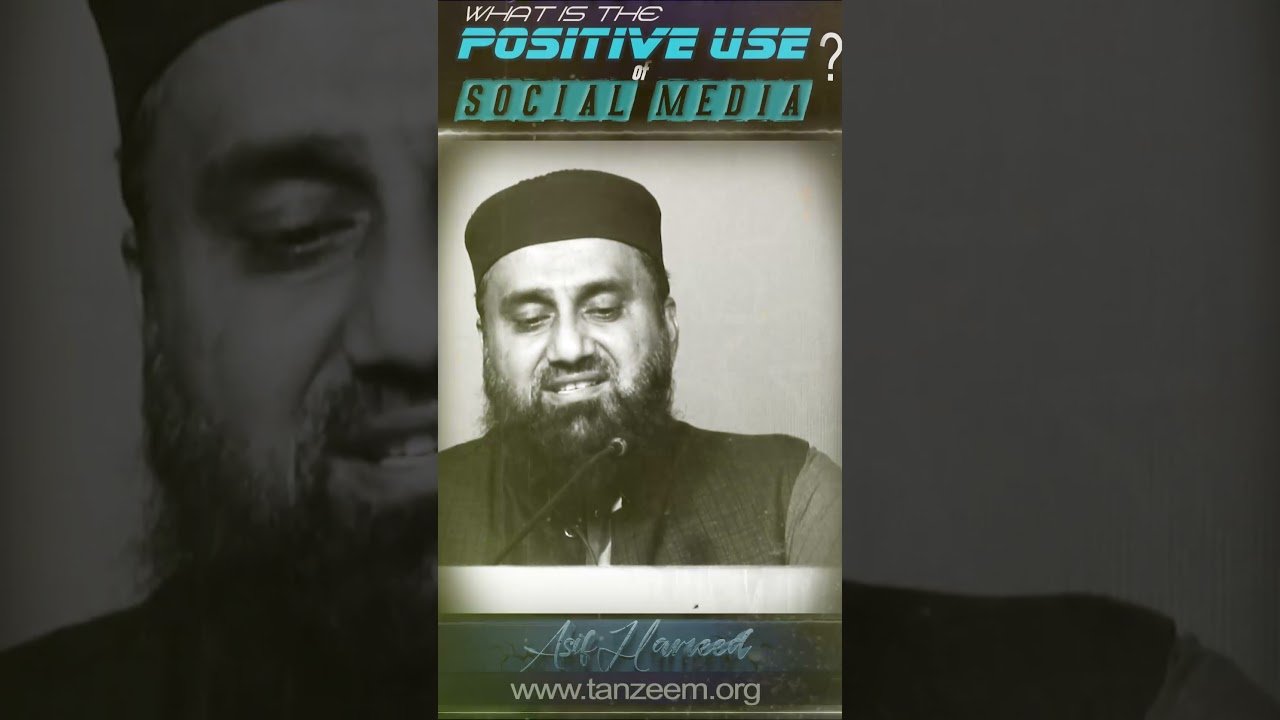
This lecture emphasizes the crucial role of social media in contemporary dawah and the propagation of Islamic thought, building on the legacy of Dr. Israr Ahmad. The speaker highlights the extensive digital archive of Dr. Ahmad’s content, now available across multiple platforms including YouTube (12 channels), Facebook (4 pages), Instagram (6 accounts), TikTok (2 accounts), Pinterest, SoundCloud, WhatsApp (3 channels), Telegram (2 channels), and dedicated websites. Viewers are encouraged to subscribe to these official channels to access authentic materials and actively share the content to broaden its reach. The speaker stresses the ease with which individuals can contribute to this dawah effort through simple actions like sharing content online, framing it as a continuation of the Prophet’s practice of utilizing available communication methods. The goal is to amplify the message of the Quran and strengthen the struggle for its implementation.
56
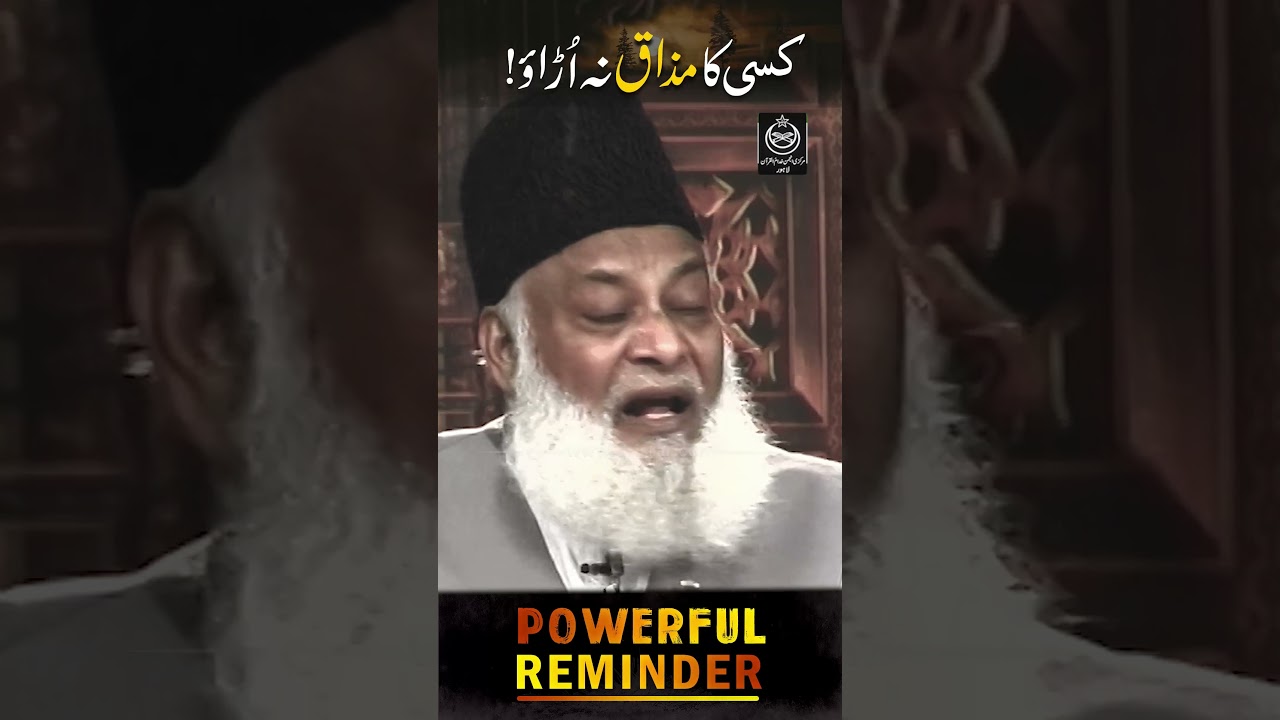
This lecture emphasizes the severe consequences of mocking others based on their physical appearance or perceived flaws. It argues that outward imperfections should not be the basis of ridicule, as true worth lies in inner piety, love for God and His Messenger, and virtuous character. Mocking a believer is presented as an act of hostility towards God Himself, citing a divine tradition warning those who antagonize God’s friends will face His wrath. The lecture stresses the importance of respecting all believers and avoiding actions that cause them emotional pain.
47
