Shorts
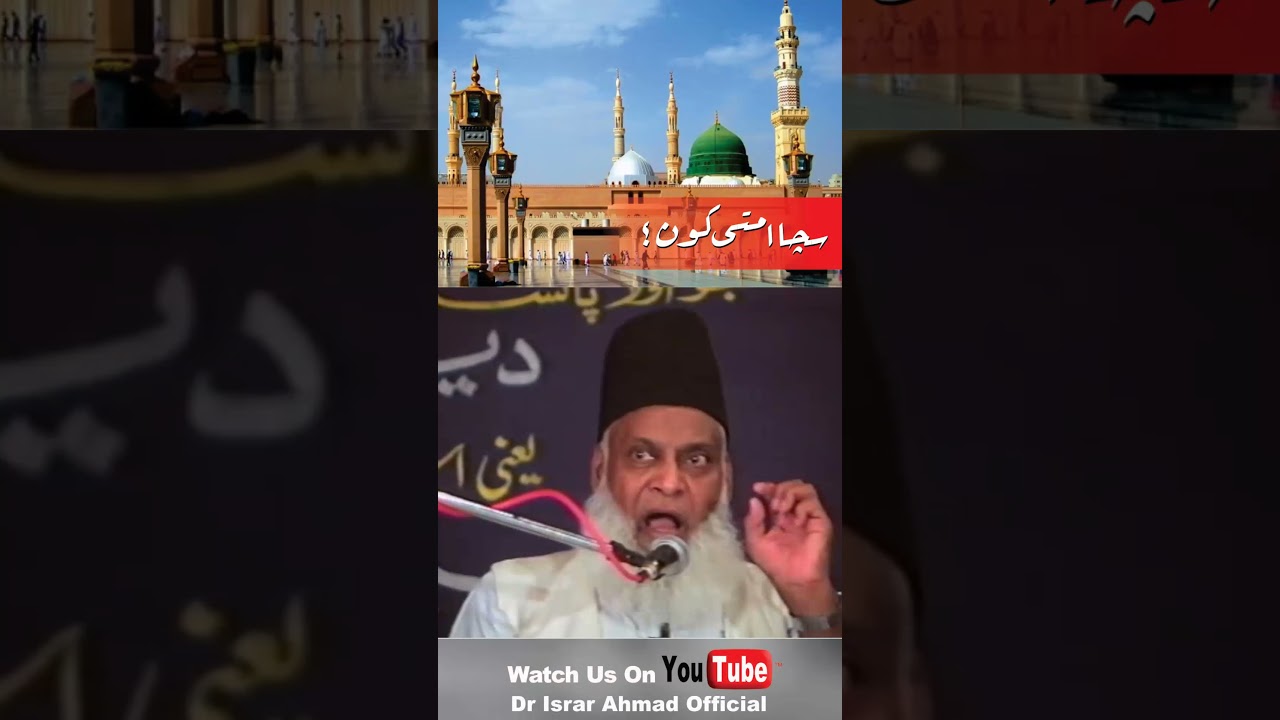
This lecture addresses the current global turmoil as a symptom of a deeper longing for the guidance embodied by the teachings of Muhammad. It emphasizes the need for Muslims to actively work towards fulfilling the objectives of the Prophet’s mission, focusing on spiritual and practical reformation. The speaker highlights that true progress for the Muslim community lies in returning to the principles and practices established at the beginning of Islam, prioritizing faith, devotion, and righteous living. The lecture warns against violent extremism and advocates for peaceful, constructive engagement in society. It emphasizes that reformation must stem from a genuine understanding and implementation of Islamic teachings.

49

Musab bin Umar, a young man raised in luxury, faced ostracism when he refused to renounce his faith after his father’s death. His mother, unable to defy her brother, the head of the family, was forced to comply with the uncle’s decree that Musab forfeit his inheritance and leave the house. The uncle, angered by Musab's adherence to his father’s religion, demanded he relinquish all property acquired through his father's wealth. Musab accepted the exile, even removing the clothes he wore, which were purchased with that wealth, before leaving his home. This demonstrates a powerful commitment to belief and principle.
52

This lecture discusses an incident from the life of the Prophet Muhammad (peace be upon him) involving a traveler who entered a mosque without securing his mount. The Prophet questioned him about it, and the man explained he was relying on God. The Prophet corrected him, stating that true reliance on God does not mean neglecting practical precautions. He emphasized that reliance on God, or *tawakkul*, is not abandoning effort or means, but acknowledging that all outcomes ultimately depend on God’s will and permission. True *tawakkul* involves making an effort and then trusting in God's plan. The lecture underscores the importance of balancing effort with faith and understanding that means are essential, but God's decree is ultimate.
73

This lecture details the practice of additional *takbirat* (declarations of greatness of God) during Eid al-Fitr prayers. The Hanafi school of thought prescribes six additional *takbirat*, while the Ahl-e-Hadith tradition follows twelve. The speaker emphasizes performing these *takbirat* while traveling to and from the Eid prayer, ideally using different routes to amplify the proclamation throughout the community. The core message urges believers to actively uphold and propagate their faith through striving, dedication, and even sacrifice, as a demonstration of gratitude for divine guidance. It stresses that upholding and establishing the true faith requires sincere effort and dedication, and that gratitude for Allah's guidance should manifest in a commitment to living a righteous life.
59

God’s knowledge of human actions does not negate the necessity of trials. Trials serve a dual purpose: to reveal to God what individuals will do, and to make individuals consciously aware of their own deeds. This record, maintained by angels, will be presented to each person, demanding proof of their actions. God isn't testing out of ignorance, but to establish proof of worth. The ultimate purpose is to demonstrate one’s value and determine their standing and rank in God’s eyes. This process emphasizes the importance of proving oneself and earning one's rightful place.
55

Dr. Israr Ahmad discusses the proper method of Quran recitation, emphasizing the importance of correct pronunciation (tajweed), understanding the meaning, and avoiding superficial artistic displays. He contrasts true Quranic recitation with competitive performances, highlighting that the Quran should enter the heart, not just be a vocal exercise. He warns against reciting Quran while engaging in sinful activities, and stresses that a sincere connection with the Quran strengthens faith and resilience. He also clarifies the difference between *tilawat* (recitation) and *tartil* (rhythmic, meaningful recitation). He cautions against relying solely on eloquent recitation without comprehension, and advocates for learning from qualified teachers to ensure accurate pronunciation and understanding.
119
