Şort
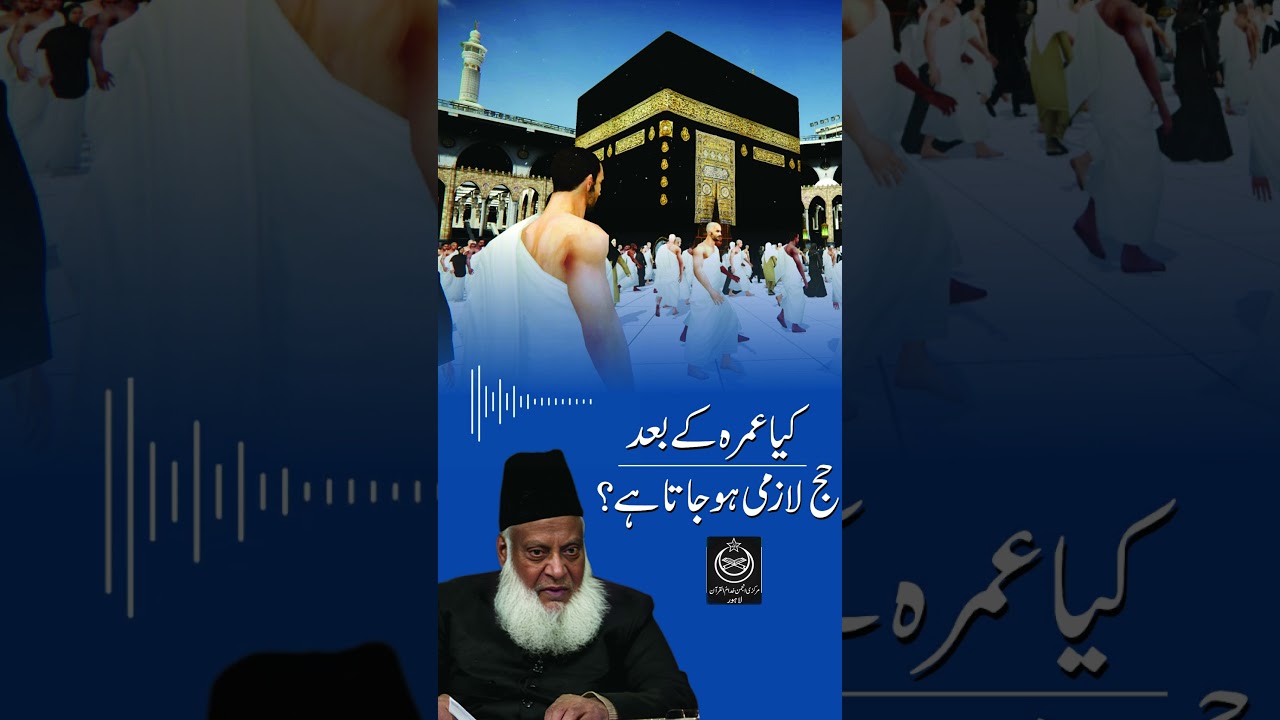
This lecture clarifies whether performing Umrah necessitates performing Hajj. It addresses the scenario of someone performing Umrah while on official government travel, funded by the state, and lacking the financial means for Hajj. The core point is that Umrah itself does not automatically make Hajj obligatory. However, if an individual possesses the financial capability, they should prioritize fulfilling the obligatory Hajj pilgrimage. The lecture emphasizes that if someone can afford to perform Hajj, it becomes an obligation upon them.

75
This excerpt emphasizes the importance of patience (sabr) and prayer (namaz) in facing life’s hardships. It instructs believers to seek help through these means, assuring them that God is with those who persevere. The message specifically addresses the Prophet, instructing him to deliver glad tidings to the patient—those who, when afflicted with adversity, respond by acknowledging their origin and ultimate return to God. It highlights a complete reliance on God during times of difficulty and emphasizes acceptance of divine decree.
58
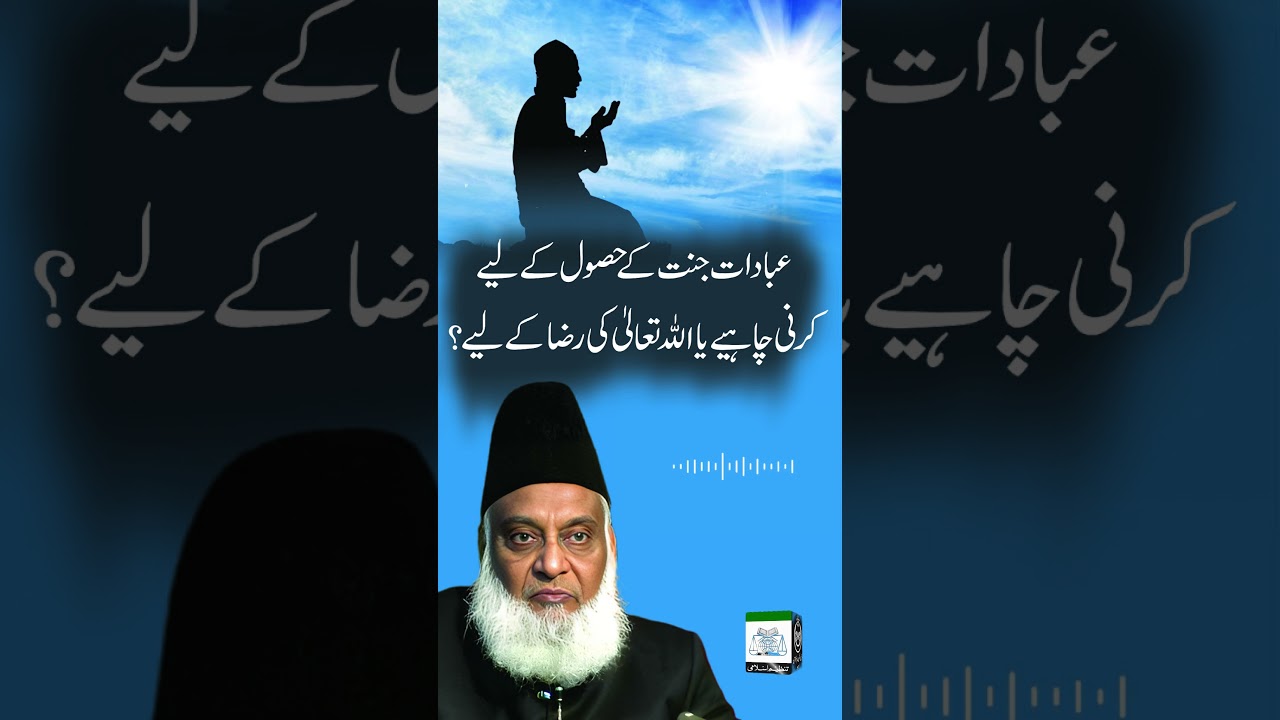
Worship should ideally be performed for the pleasure of God, though seeking salvation from hell and entry into paradise is also commendable. While avoiding punishment and attaining heaven are positive goals, prioritizing God’s pleasure is superior. It is not wrong to ask for protection from hell and request paradise, as the Prophet Muhammad (peace be upon him) himself made these supplications. However, the ultimate aim should be to seek God’s approval above all else.
60
This lecture explores the concept of true faith as demonstrated through submission to authority in resolving disputes. It uses the analogy of interwoven tree branches—a ‘shajarah’—to illustrate how disagreements arise between people. Genuine believers will not fully embrace faith until they accept arbitration and judgment from a designated authority, even when their personal claims conflict. The lecture emphasizes that resolving conflicts through proper channels, and accepting the outcome, is a fundamental aspect of faith. The analogy highlights that intertwined issues require external resolution, just as branches need pruning to allow growth.
75
This lecture examines the decline of the Muslim Ummah due to negligence of religious duties and disregard for the Quran. It draws parallels between the current state and the fate of previous nations who rejected divine guidance, becoming spiritually hardened and ultimately failing to fulfill their potential. The speaker emphasizes that being designated ‘the best of peoples’ carries a responsibility to act upon that status and avoid repeating the mistakes of the past. The hardening of hearts, as described in the Quran, is a critical warning against spiritual apathy and the abandonment of faith. It highlights the importance of internalizing divine teachings and consistently striving for moral and spiritual excellence.
58
This lecture discusses the immense joy Allah experiences upon accepting a believer's repentance. It highlights that even the drops of sweat born from anxiety and remorse during sincere regret are valued by God. The acceptance of repentance is depicted as a profound blessing, demonstrating Allah’s compassion and willingness to forgive those who turn to Him with genuine sincerity. The lecture emphasizes that Allah cherishes a servant's repentance, viewing it as a precious offering.
52
