السراويل القصيرة
This lecture explores the concept of pure existence, arguing that ultimate reality transcends material comprehension. It posits that the truly knowing – the mystics and the wise – ultimately arrive at the understanding that ‘just being’ is fundamental. The material world is a construct, while the perception of the Divine is a matter of subjective experience. This reality is beyond human grasp, accessible only through profound contemplation and spiritual insight. The lecture emphasizes the limitations of rational understanding when confronting the infinite nature of existence.

82
This lecture clarifies whether good deeds remain valid despite the presence of evil actions, or if evil deeds nullify the effect of good deeds. It asserts that evil actions definitively diminish or invalidate the benefits of good deeds, rendering them ineffective. Committing grave sins, such as denying the Quran or the Prophet Muhammad, can completely negate all accumulated good deeds.
63
This lecture explores the concept of aligning one’s life entirely with the will of God. It emphasizes that true devotion involves surrendering all aspects of existence – prayer, sacrifice, life, and death – to the divine. The speaker argues that when life is dedicated to God, it transcends earthly pursuits and becomes a source of spiritual strength. Material means and worldly endeavors should become secondary to this divine connection, and individuals should strive for a life of complete submission and purpose. The ultimate goal is to have one's heart filled with reverence for God.
47
This lecture explains that Allah hears and responds to every sincere call and prayer, regardless of location or circumstance. It clarifies that proximity to sacred places like the Haram or Arafat doesn't create a greater connection with Allah; He is always near. The speaker refutes the notion that one cannot directly communicate with Allah, emphasizing that such beliefs stem from polytheistic ideologies. Allah is ever-present and accessible to those who turn to Him sincerely. The lecture stresses that Allah is not distant but close to those who call upon Him and that true connection comes through sincerity, not location.
66
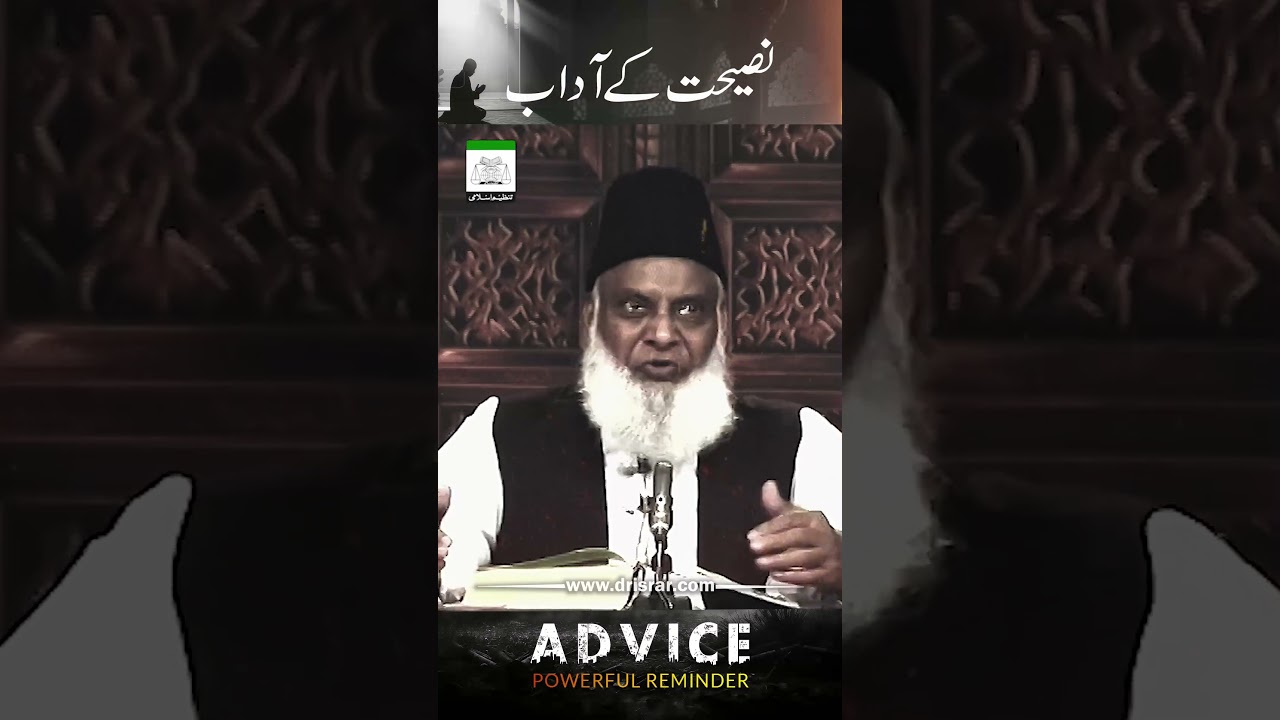
This lecture explores the qualities of a truly righteous individual: one who actively invites others to God, consistently performs good deeds, and sincerely identifies as a Muslim striving for obedience. The speaker emphasizes humility, acknowledging personal fallibility and the importance of repentance. A virtuous person isn't defined by claims of piety or perfection, but by a consistent return to God after mistakes. The core message is that genuine faith involves both action and sincere self-assessment.
92
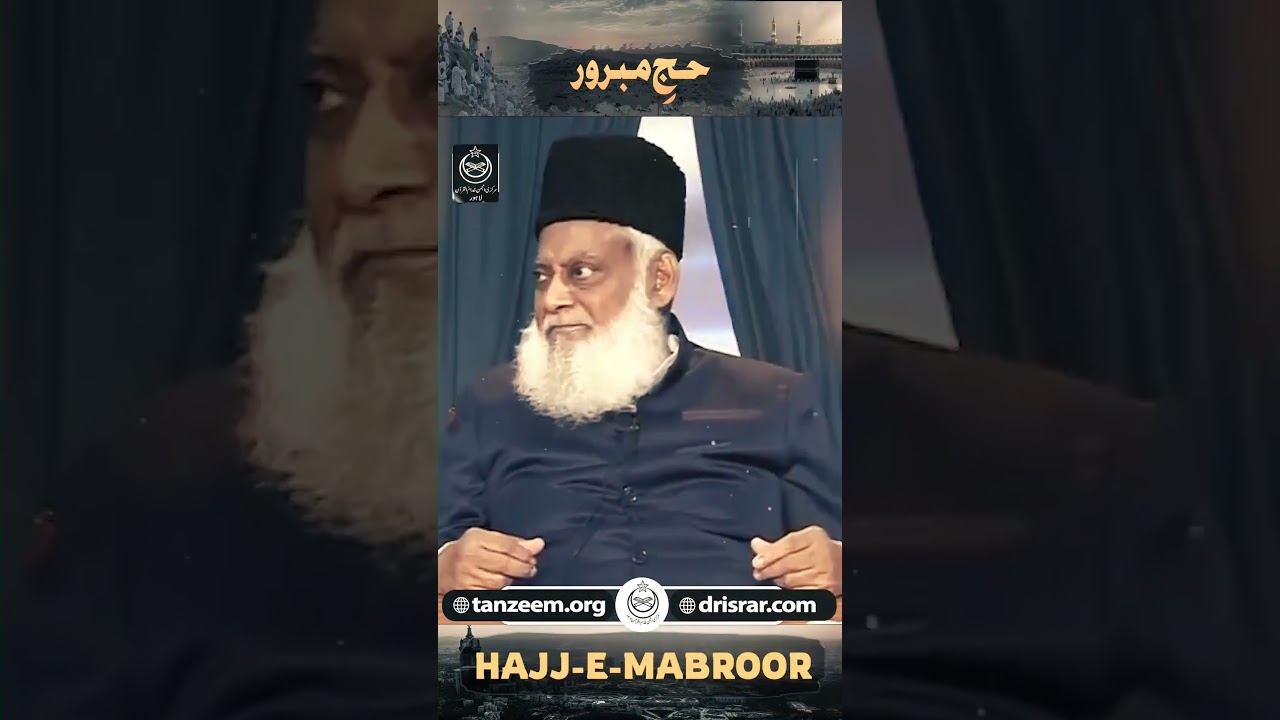
A truly accepted pilgrimage, Hajj-e-Mabroor, is achieved through earnings from lawful sources and meticulous adherence to all its conditions, avoiding disputes and prioritizing the needs of fellow pilgrims. This selfless act fosters piety and guarantees a reward from Allah. Such a pilgrimage cleanses one of past sins, akin to a newborn's purity. It emphasizes the importance of sincerity, lawful income, and selfless service during Hajj to attain divine acceptance and spiritual renewal.
68
