Shorts
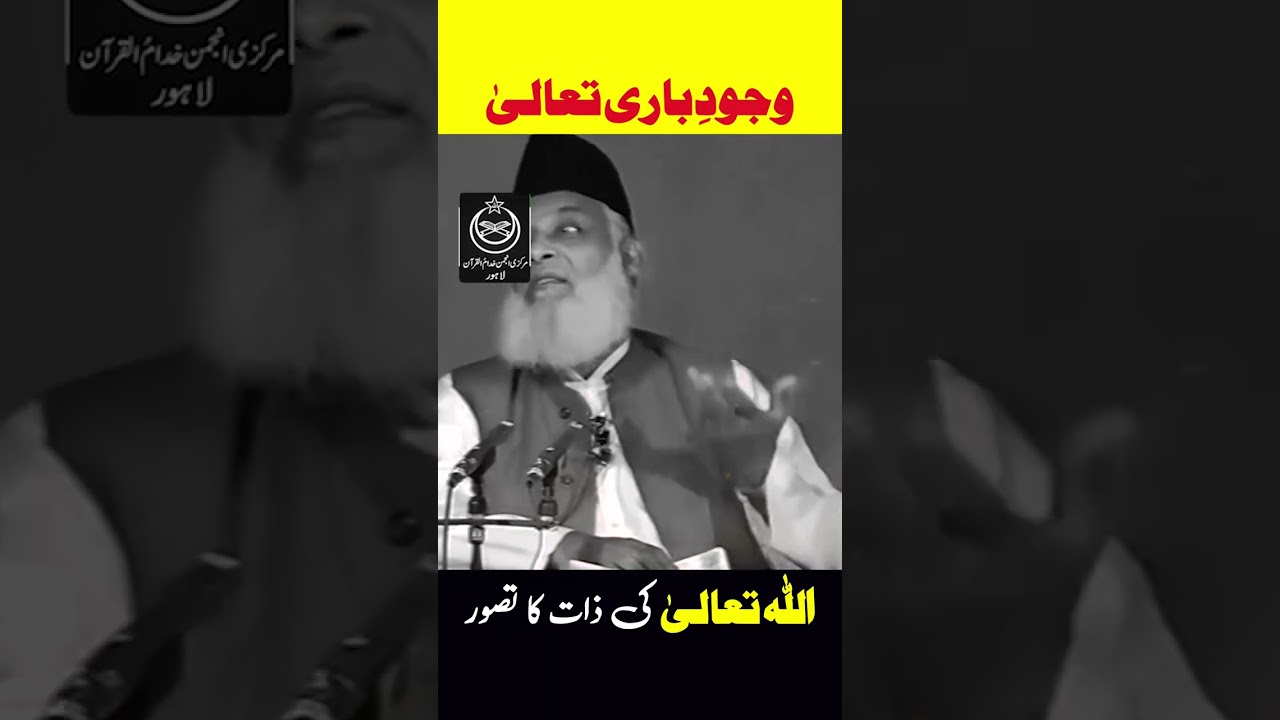
This lecture explores the concept of pure existence, arguing that ultimate reality transcends material comprehension. It posits that the truly knowing – the mystics and the wise – ultimately arrive at the understanding that ‘just being’ is fundamental. The material world is a construct, while the perception of the Divine is a matter of subjective experience. This reality is beyond human grasp, accessible only through profound contemplation and spiritual insight. The lecture emphasizes the limitations of rational understanding when confronting the infinite nature of existence.

82
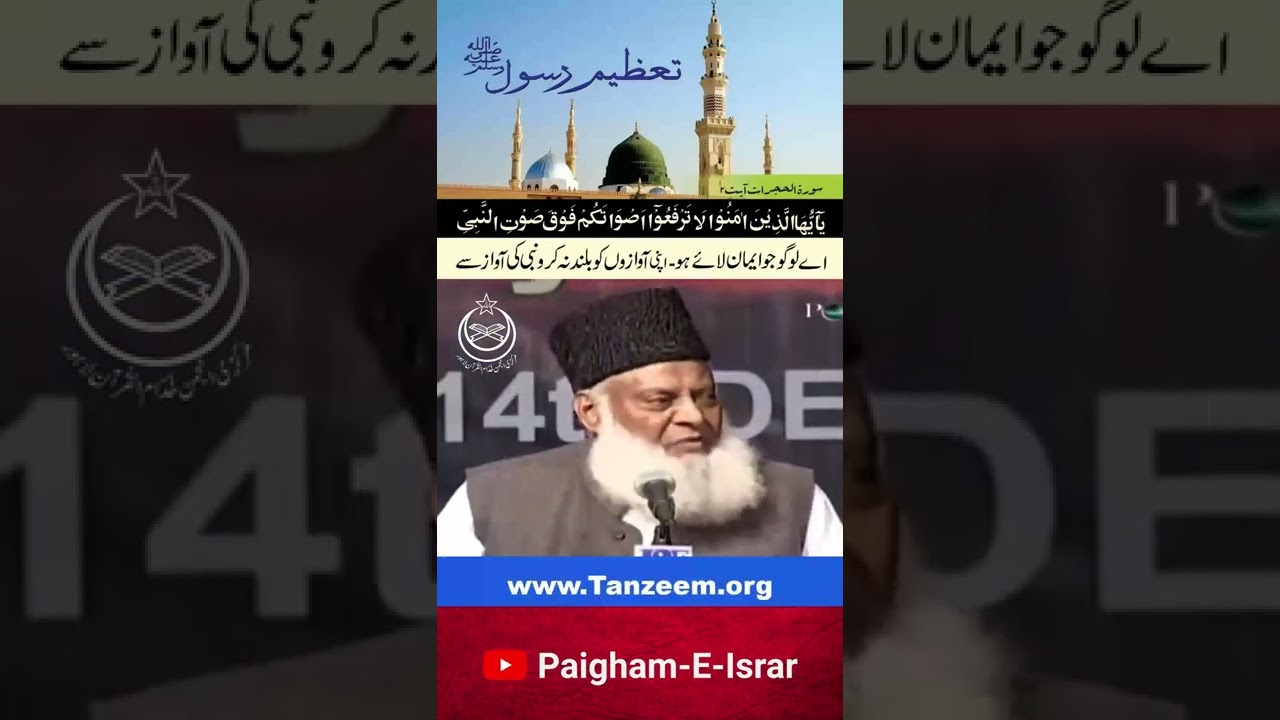
This lecture emphasizes the importance of respectful communication. It cautions against raising voices above the Prophet Muhammad’s, discourages boisterous or disrespectful dialogue, and warns that a lack of decorum can lead to the complete loss of influence and effectiveness, leaving one unaware of the damage caused. Maintaining respectful speech is crucial for preserving dignity and achieving positive outcomes in all interactions.
63
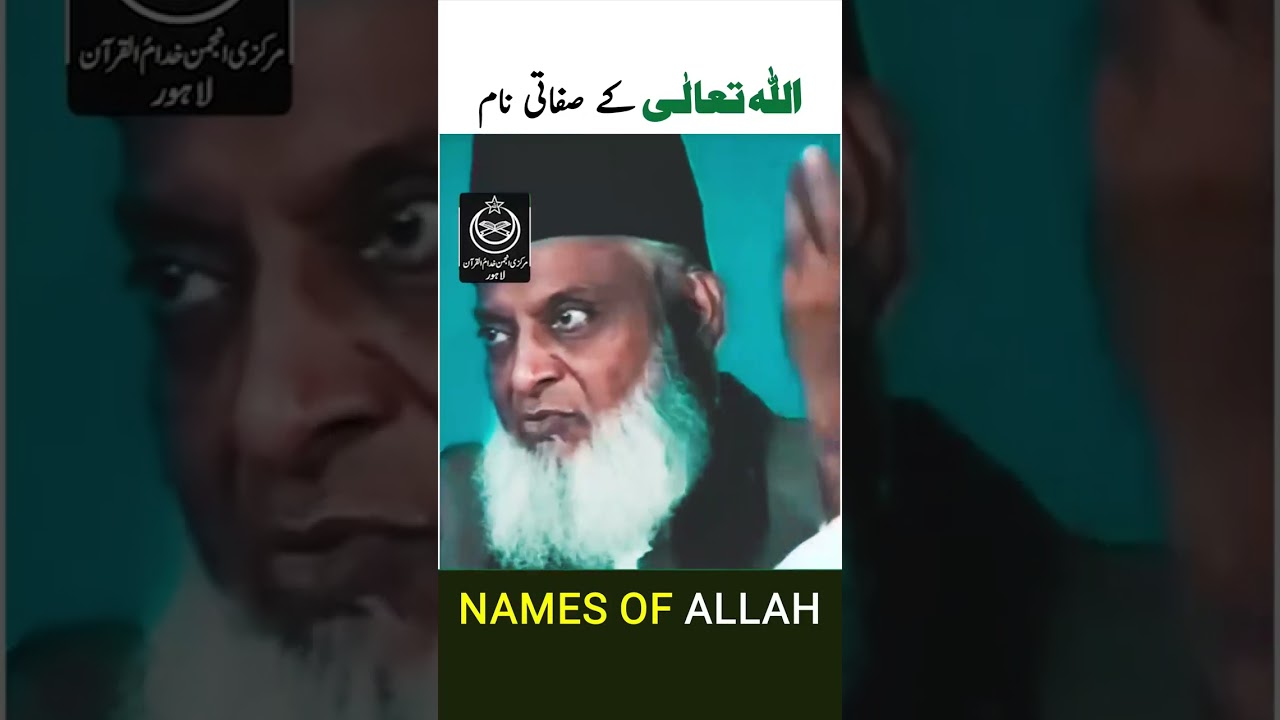
This lecture clarifies the distinction between Allah’s personal name and His attributes. It explains that ‘Allah’ is the sole proper name, while all other names found in the Quran represent divine attributes. By removing the definite article and adding *tanween*, names transform into descriptive qualities. For example, ‘Al-Qadir’ is a name, but ‘Qadir’ or ‘Qadeer’ is an attribute. Similarly, ‘Al-‘Alim’ is a name, while ‘Alim’ or ‘‘Aleem’ is a quality. Essentially, names serve as indicators of a being, and Allah's personal name is unique.
59
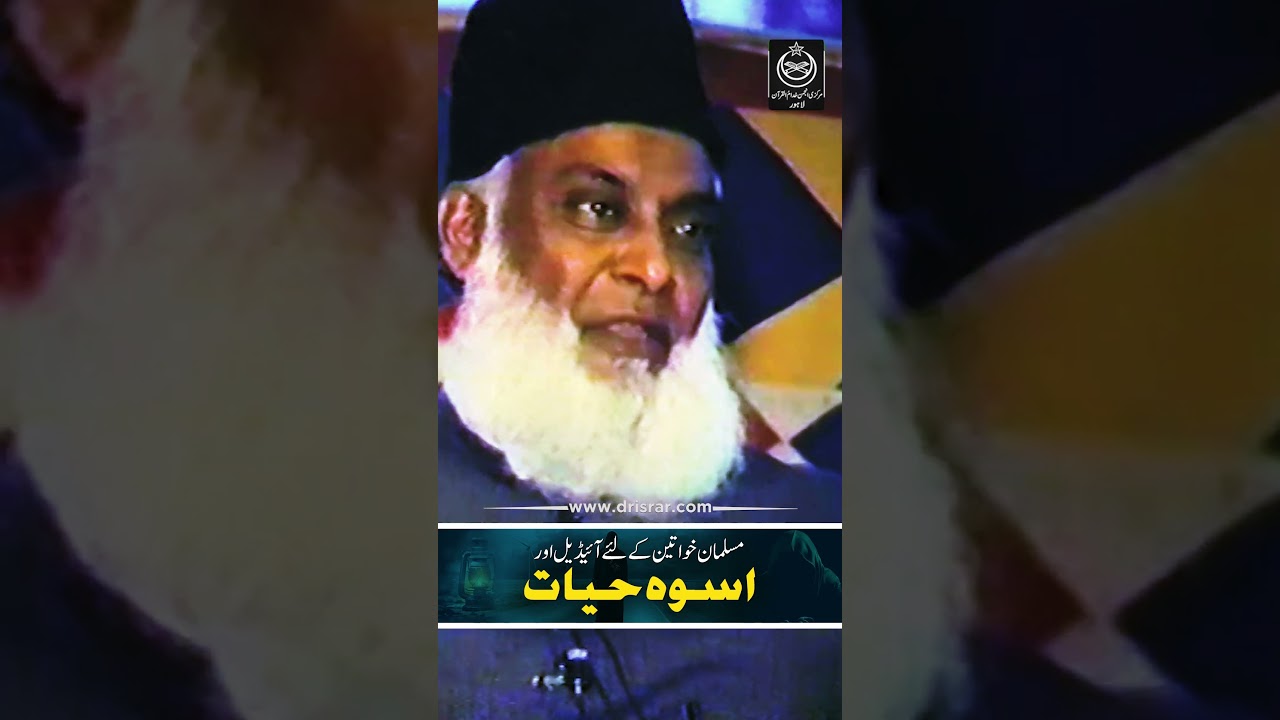
This lecture explores the profound roles of two significant women in Islamic history: Fatima bint al-Khattab, who profoundly influenced Umar ibn al-Khattab, and Fatima bint Muhammad, mother of Hasan and Hussein. It highlights how a Muslim woman can fully realize her potential within the boundaries of Islamic teachings, exemplifying strength, influence, and nurturing. The discussion emphasizes the unique contributions of these women and their lasting impact on Islamic society and the lives of believers.
52
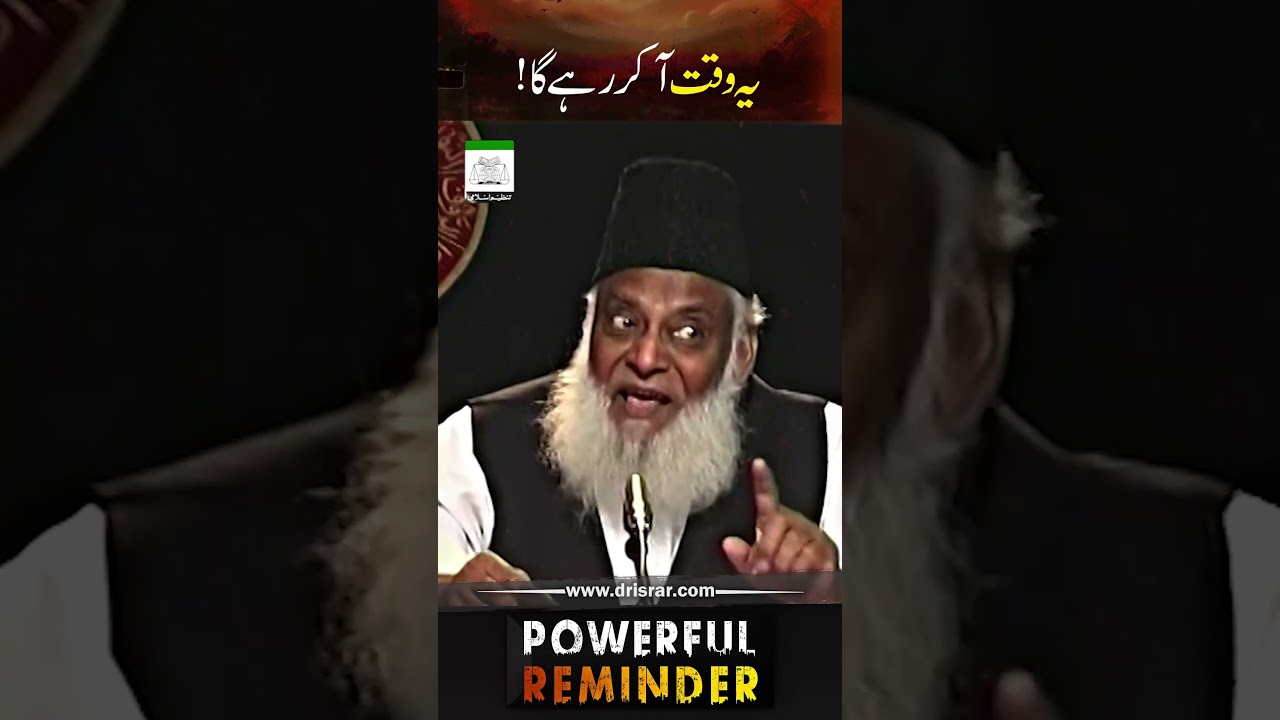
This lecture details the inevitable arrival of the final hour, a cataclysmic event preceding the Day of Resurrection. It describes a complete transformation of the world, where mountains will crumble and all structures will be reduced to dust. This event, distinct from the Resurrection itself, is a prelude to a time of reckoning where all individuals will be resurrected from their graves, or wherever their remains lie, to face judgment. The speaker emphasizes this hour as a complete annihilation followed by a subsequent resurrection and accountability.
50

The speaker clarifies the distinction between legitimate leasing (ijara) and purchases financed through interest (riba). Leasing involves renting an asset for a specified period, with the renter paying a monthly fee and covering operational costs. In contrast, an interest-based purchase involves financing the full price of an asset over time, accruing interest on the outstanding amount. The speaker emphasizes that financing a purchase with interest, even if labeled differently, constitutes riba and is prohibited. Legitimate leasing does not involve any form of interest or profit on the asset itself, only a rental fee for its use. The discussion highlights that changing the label of an interest-based transaction does not alter its fundamentally prohibited nature.
65
