Shorts

This lecture emphasizes the reciprocal relationship between a believer and God. Remembering God leads to God remembering the believer, fostering a deep spiritual connection. The discussion highlights the importance of sincere remembrance (zikr) in gatherings and individually, leading to divine response and acceptance. True faith requires unwavering loyalty, love, and making God the ultimate beloved, surpassing all other desires and goals. This establishes a profound bond where God alone becomes the purpose and objective of life.

93
This lecture addresses the question of accountability for unintentional involvement with interest (riba). It clarifies that if someone unknowingly consumes something containing interest, they are not exempt from sin. However, the speaker proposes that sincere effort dedicated to establishing and strengthening religious practice can serve as expiation. The analogy of involuntary inhalation of dust is drawn; just as one cleanses their lungs, striving for faith cleanses the soul. The lecture emphasizes that consistent, dedicated work for the cause of religion is a valid form of atonement for unintentional transgressions.
62
This lecture clarifies the purpose of fasting during Ramadan, emphasizing Allah’s desire for ease, not hardship. It addresses a rigid interpretation of religious obligations, specifically concerning fasting while traveling or during illness. The speaker explains that imposing unnecessary strictness upon oneself contradicts the spirit of Islam, which aims to alleviate burdens. True piety lies in understanding the intent behind religious practices and prioritizing ease and accessibility, mirroring the Prophet’s teachings to create facilitation, not difficulty. The lecture cautions against extremism and encourages a balanced approach to faith, focusing on the core principles of Islam rather than superficial adherence to rituals.
77
The Prophet Muhammad (peace be upon him) was asked about the most virtuous form of migration. He responded that the most excellent migration is abandoning everything displeasing to God. This necessitates a personal assessment of one’s life and the eradication of actions contrary to the spirit of Islamic law. The lecture emphasizes immediate action, stating that the time for rectifying oneself is now, before it is too late. It's a call for sincere repentance and a commitment to living a life aligned with divine guidance.
232
This lecture details the inevitable arrival of the final hour, a cataclysmic event preceding the Day of Resurrection. It describes a complete transformation of the world, where mountains will crumble and all structures will be reduced to dust. This event, distinct from the Resurrection itself, is a prelude to a time of reckoning where all individuals will be resurrected from their graves, or wherever their remains lie, to face judgment. The speaker emphasizes this hour as a complete annihilation followed by a subsequent resurrection and accountability.
50
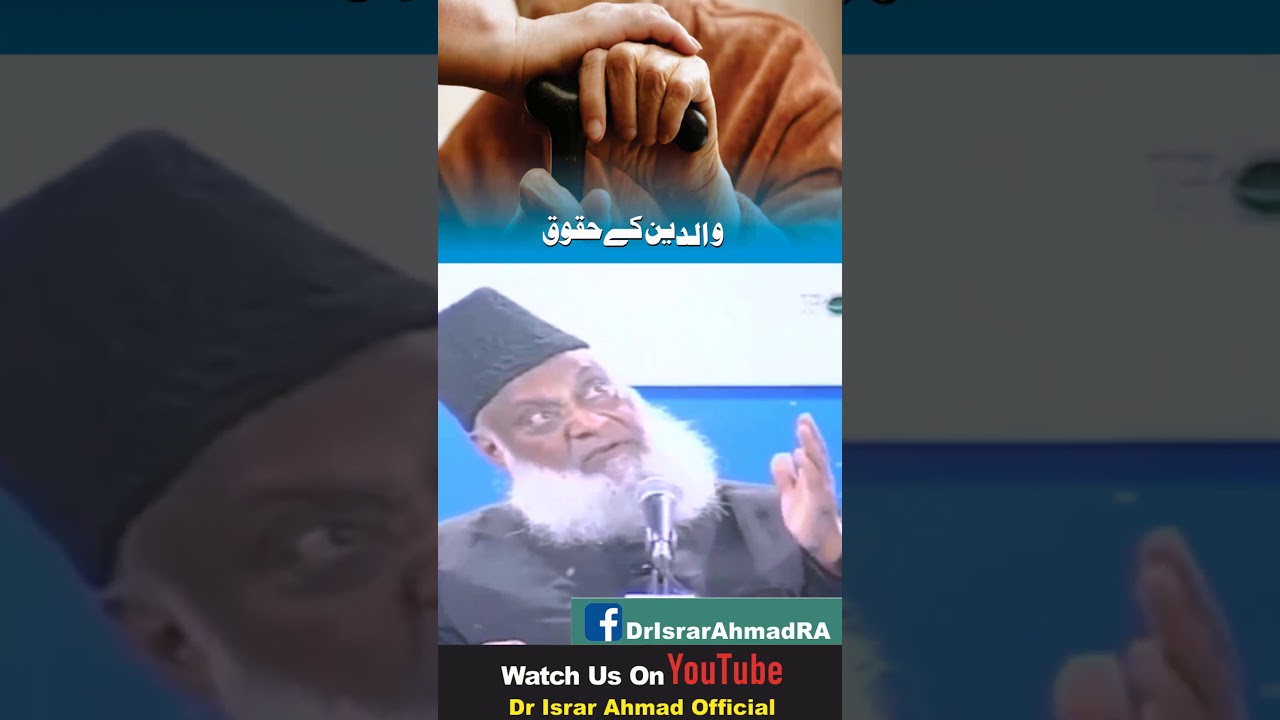
The greatest act of gratitude is towards one’s parents, a concept emphasized five times in the Quran. Simply *looking* at the Kaaba with reverence is considered an act of worship. Similarly, looking at one’s parents with love and respect is also an act of worship. This act of reverence, even without verbal interaction, holds significant spiritual reward. The Quran highlights the immense importance of honoring and showing affection to parents.
76
