شلوار کوتاه
Many misconceptions exist regarding remembrance of God. A primary error is conflating *zikr* (remembrance) with the *means* of remembrance. *Zikr* is the presence of God within the heart – maintaining a connection through remembrance, love, and attachment. Simply repeating phrases like “Subhan Allah” is a *means* of remembrance, but not *zikr* itself. True *zikr* requires focused attention and presence; if the mind is preoccupied with worldly concerns while reciting, the benefit of remembrance is lost. The act itself is a tool; the connection with God is the essence.

39
This lecture clarifies the varying interpretations of the term “Moula” (master/lord) in relation to Hazrat Ali. It explains that while using the term is not inherently problematic, some interpretations, particularly within Shia Islam, elevate Hazrat Ali to a status exceeding his role as a companion and leader. The speaker emphasizes that attributing problem-solving solely to Hazrat Ali is inaccurate, as he himself faced difficulties and unresolved conflicts during his life. The lecture cautions against exaggeration and excessive devotion, highlighting that true power and resolution reside with Allah alone. The discussion focuses on understanding the correct reverence for historical figures within an Islamic framework.
64
This lecture explains that Allah is all-powerful and supreme over everything. Human capability, however, is limited and borrowed. The power granted to humans is not inherent but a gift from Allah, making it temporary and finite. This distinction is central to understanding the concept of *shirk* (associating partners with Allah). Allah’s existence is eternal and limitless, while created beings, including human abilities, are contingent, temporary, and limited. True power resides solely with Allah.
54
The establishment of the Caliphate signifies the sovereignty of God and the end of human rule, which is considered the greatest form of idolatry. Until the Caliphate is re-established, shirk (associating partners with God) persists through human governance. True worship will only be possible when divine authority replaces earthly dominion, eliminating the foundation of shirk and establishing pure devotion to God.
230
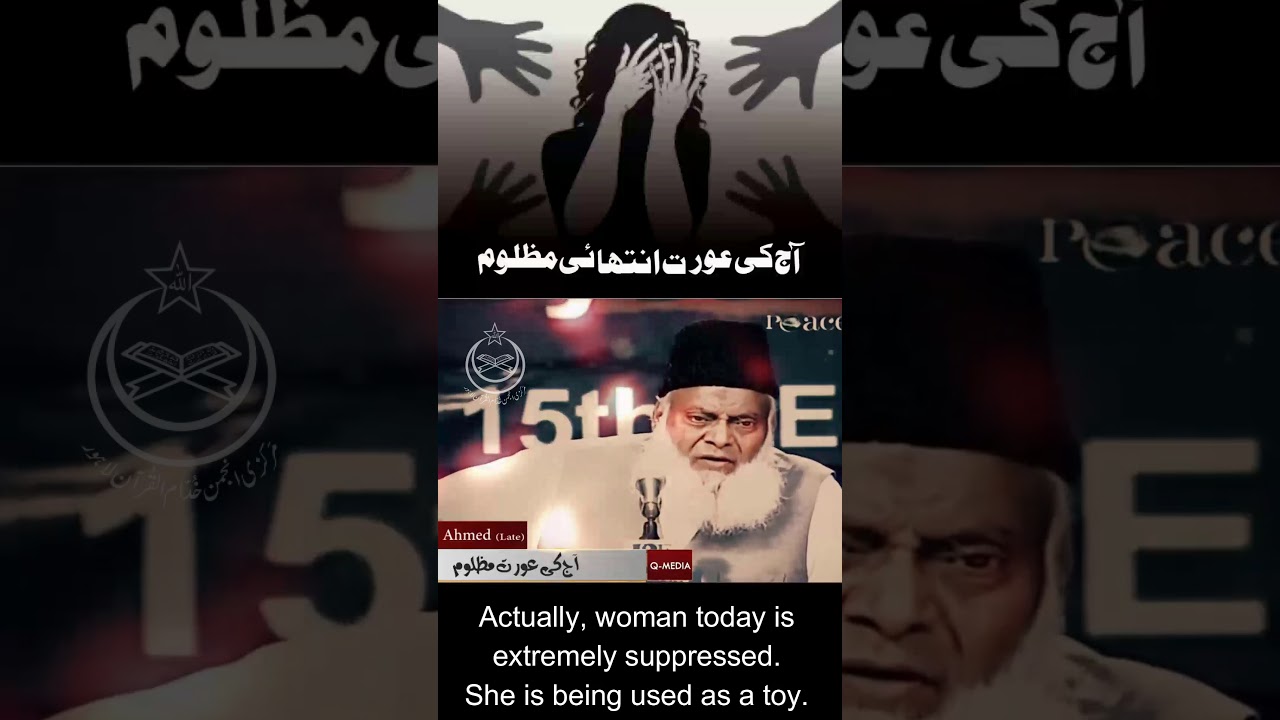
This lecture discusses the plight of women, particularly in Western societies, highlighting the burdens they bear – pregnancy, childbirth, and financial responsibility. It critiques the objectification of women and questions the values of Western civilization, suggesting a concerning trend of exploitation and disregard for their dignity. The speaker emphasizes the need to understand and respect women's true worth and role in society.
86
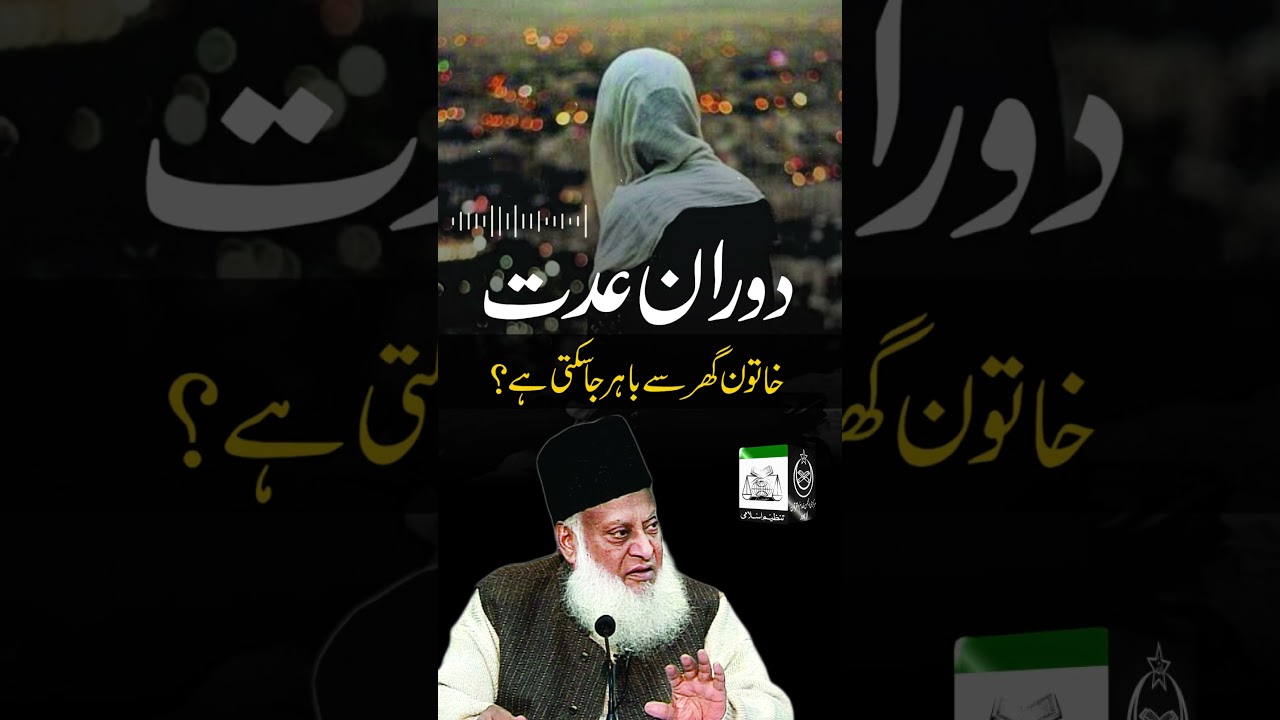
Many women arbitrarily fulfill numerical requirements for religious permissions, obtaining consent from scholars under duress. This practice is questioned as potentially disrespectful to Islamic law. The discussion clarifies that it doesn't prohibit leaving the home entirely, but emphasizes the importance of spending nights within the home and avoiding excessive adornment. The permissions sought are often linked to going out while still applying makeup, which is problematic.
52
