Kratke hlače

This lecture emphasizes the reciprocal relationship between remembrance of God and God’s remembrance of His servant, referencing a sacred tradition. It explains that sincere remembrance in gatherings is witnessed by angels and leads to divine favor. The speaker clarifies permissible levels of worldly love—for spouses, children, and parents—while stressing that ultimate devotion must remain reserved for God. Exceeding these limits constitutes *shirk* (associating partners with God), elevating another being to a level equal to the divine. True love is conditional on God's permission and should not surpass the boundaries set by faith.

66

The Prophet Muhammad (peace be upon him) compared the heart to iron; just as iron rusts when exposed to water, the heart corrodes with sin and worldly attachment. He outlined two remedies for this spiritual rust: constant remembrance of death and recitation of the Quran. The temporary nature of worldly life should be acknowledged; this world is not our true home, but a temporary abode. We were created for the afterlife, and focusing on that ultimate destination purifies the heart and prepares it for eternal peace.
59
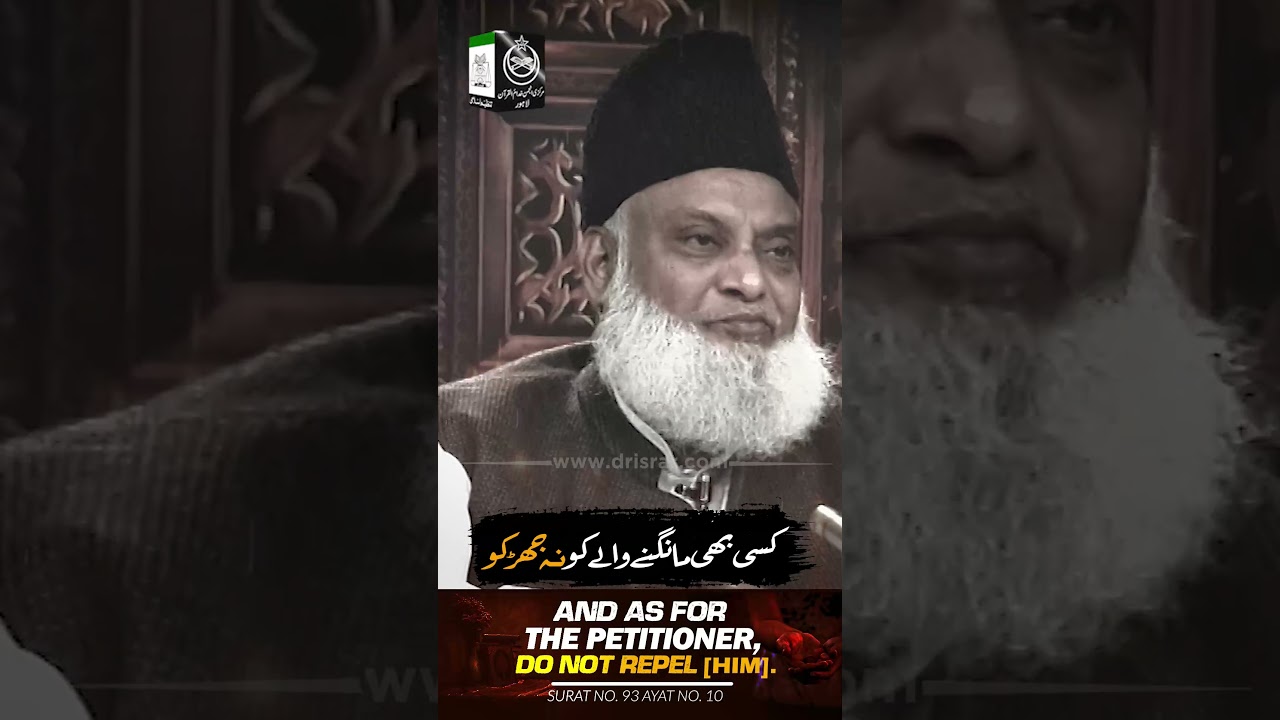
This lecture emphasizes the importance of respectful interaction with those in need, based on the final verses of Surah Ad-Duha. It clarifies that rebuking or harshly responding to a petitioner is prohibited in Islam. The verses instruct believers to avoid dismissive behavior and instead respond with kindness, even if politely declining to fulfill the request. The lecture highlights the significance of empathy and good manners when dealing with those who ask for help, advocating for a gentle and considerate approach.
43
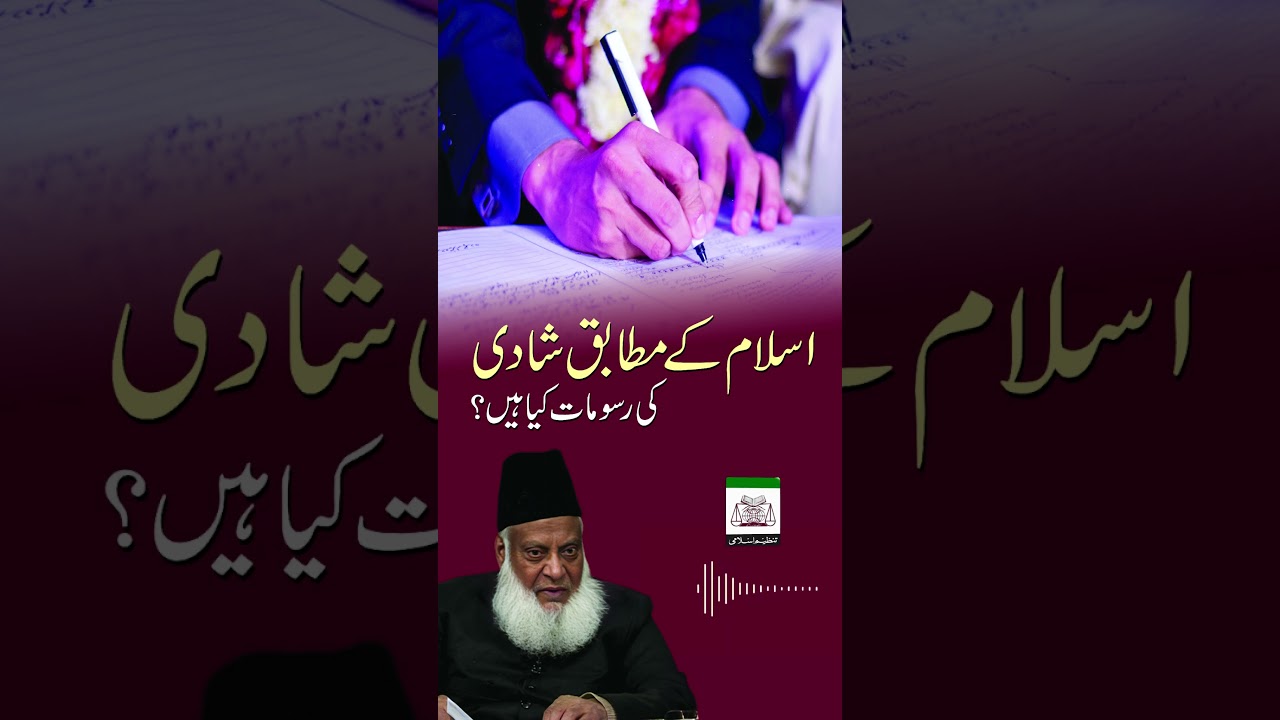
This lecture clarifies Islamic perspectives on marriage, contrasting them with prevalent Hindu customs. Islam encourages marriage ceremonies to be held in mosques, with the groom’s family hosting the celebratory feast. The bride’s family is not expected to host a separate event. Furthermore, Islam does not recognize the concept of dowry, as daughters are considered equal inheritors alongside sons, receiving their share of the family estate upon division of assets. This ensures financial security for the daughter without the need for a dowry.
62

This lecture emphasizes the importance of meticulously documenting all religious transactions, regardless of their size. It stresses the necessity of immediate recording to ensure transparency, accountability, and legal validity. The speaker highlights that delaying documentation can lead to disputes and invalidates the transaction. This practice aligns with Sharia law and promotes fairness and justice. It also reinforces the reliability of testimony and safeguards future dealings. This recording is essential for both small and large matters, aligning with principles of speed, justice, and sound testimony.
41
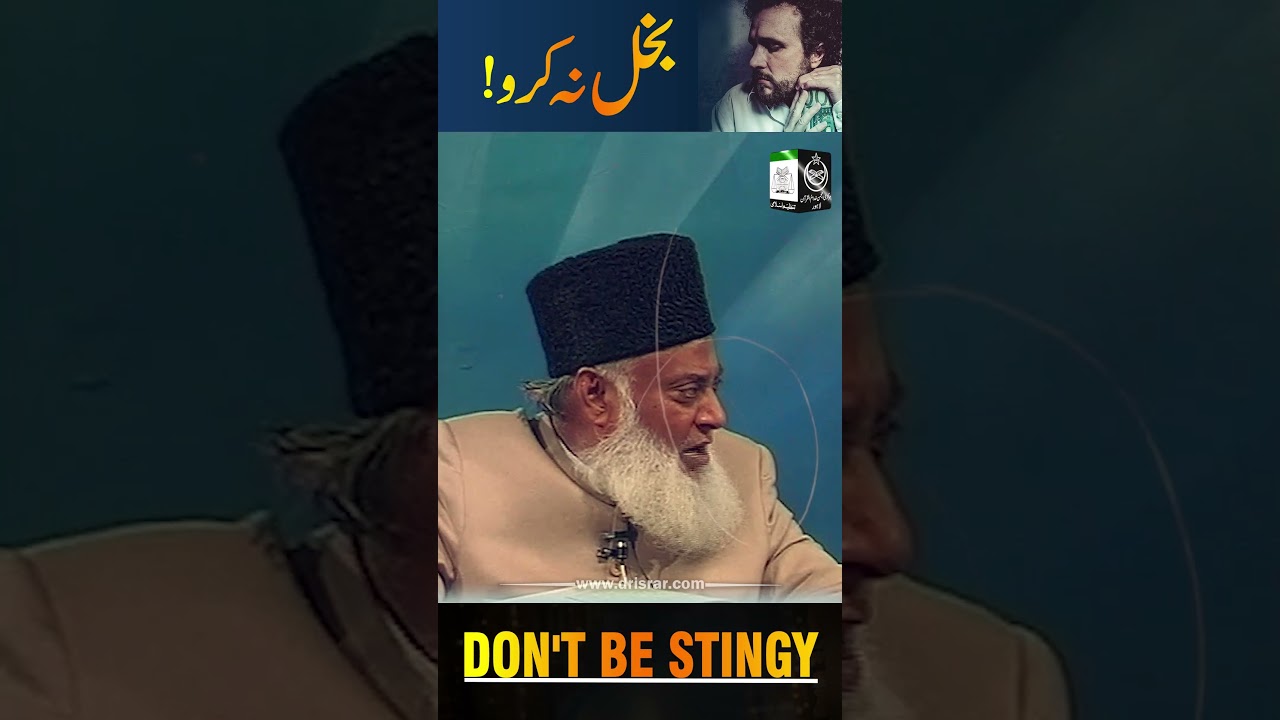
This lecture explores the negative characteristics of arrogance and miserliness, highlighting their spiritual and societal harms. It details how pride often stems from a fear of losing wealth and status, leading to stinginess and discouraging generosity. The lecture further explains how individuals consumed by these traits not only hoard their possessions but also encourage others to do the same, fearing criticism for spending. Ultimately, it warns of the severe consequences awaiting those who persist in these behaviors, emphasizing the importance of humility and generosity as virtues pleasing to God.
50
