短裤
This lecture addresses systemic oppression, exploitation, and discrimination within society. It highlights the inherent inequality where some are born into privilege and others into disadvantage, regardless of their character or merit. The speaker emphasizes that this disparity stems from those who hoard power and resources, silencing the voices of the marginalized. The lecture asserts that ending all forms of exploitation and injustice is a fundamental duty of a believer, advocating for a society built on equity and the freedom of expression.

51
This lecture discusses the importance of *khushu* (humility and devotion in prayer) and *tazkiya-e-nafs* (self-purification). It emphasizes that true worship goes beyond merely performing rituals; it requires a sincere connection with the Divine and a constant striving for self-improvement. The speaker highlights that valuable time should not be wasted on frivolous activities but dedicated to personal growth and purification. The concept of *zakat* is explained not as financial charity in its later legal form, but as a continuous process of self-assessment and removing inner flaws. The focus is on consistently striving for moral and spiritual cleansing.
71
This lecture explores the concept of national identity, presenting the nation-state as a modern construct akin to a deity. It argues that in the contemporary era, the nation has replaced traditional faiths as a primary source of allegiance and purpose. The poem emphasizes the nation’s all-encompassing nature, where national identity is interwoven with religious belief. The speaker calls for strength derived from the principles of Tawhid (Oneness of God) and emphasizes the importance of Islam as a guiding force for the nation. The lecture ultimately proposes that patriotism, when rooted in Islamic values, can be a powerful force for national progress and spiritual elevation.
46
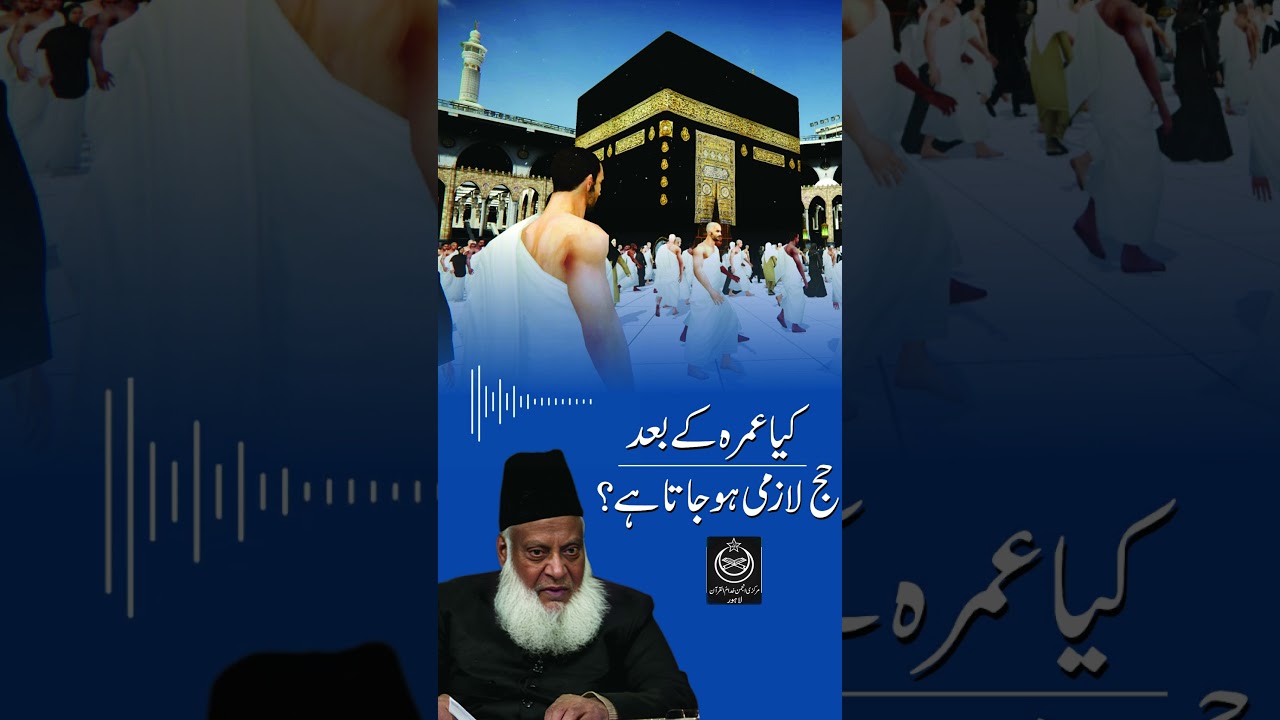
This lecture clarifies whether performing Umrah necessitates performing Hajj. It addresses the scenario of someone performing Umrah while on official government travel, funded by the state, and lacking the financial means for Hajj. The core point is that Umrah itself does not automatically make Hajj obligatory. However, if an individual possesses the financial capability, they should prioritize fulfilling the obligatory Hajj pilgrimage. The lecture emphasizes that if someone can afford to perform Hajj, it becomes an obligation upon them.
71
This reflection acknowledges the inevitability of setbacks and failures in life's endeavors. It encourages proactive preparation for hardship, framing success as a bonus rather than an expectation. The core message emphasizes continuous effort and resilience, even in the face of repeated disappointments. It advocates for persistent work, nurturing hope, and seeking divine assistance, recognizing that struggle is a constant companion to growth and progress. The text urges acceptance of life's cycles, suggesting that after every loss, preparation for the next beginning is essential.
45
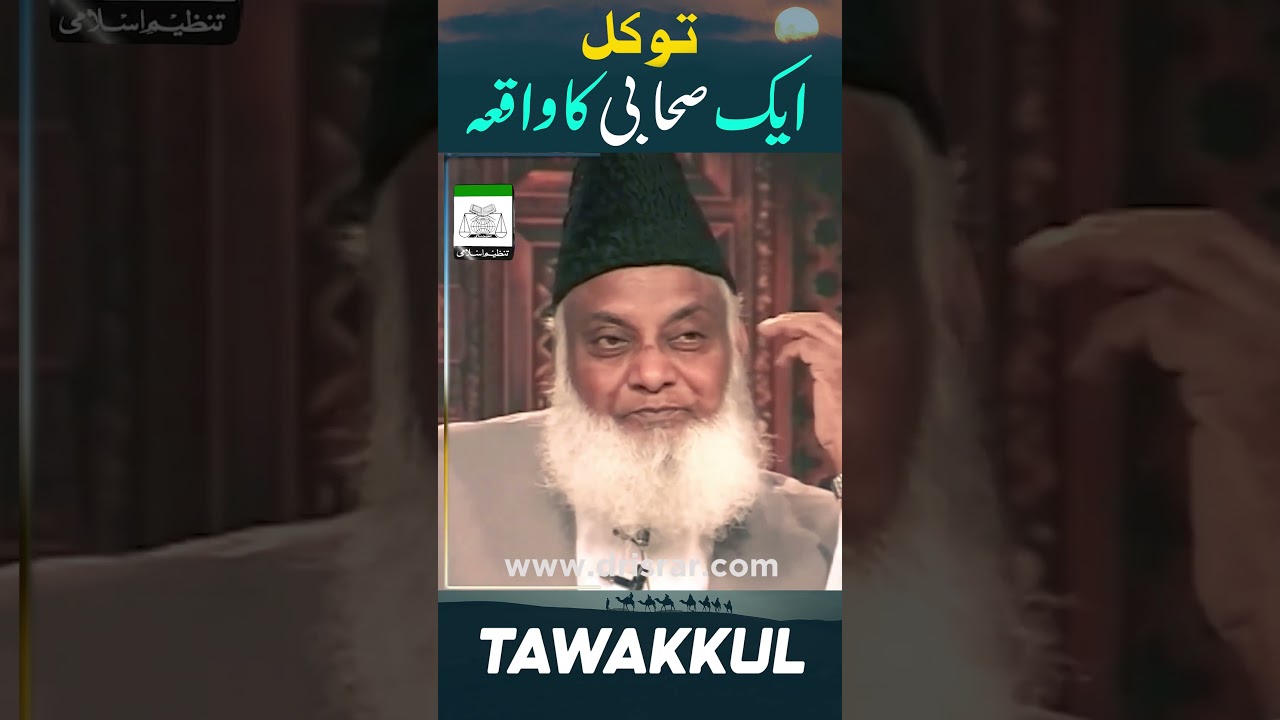
This lecture discusses an incident from the life of the Prophet Muhammad (peace be upon him) involving a traveler who entered a mosque without securing his mount. The Prophet questioned him about it, and the man explained he was relying on God. The Prophet corrected him, stating that true reliance on God does not mean neglecting practical precautions. He emphasized that reliance on God, or *tawakkul*, is not abandoning effort or means, but acknowledging that all outcomes ultimately depend on God’s will and permission. True *tawakkul* involves making an effort and then trusting in God's plan. The lecture underscores the importance of balancing effort with faith and understanding that means are essential, but God's decree is ultimate.
73
