شارٹس
This lecture addresses systemic oppression, exploitation, and discrimination within society. It highlights the inherent inequality where some are born into privilege and others into disadvantage, regardless of their character or merit. The speaker emphasizes that this disparity stems from those who hoard power and resources, silencing the voices of the marginalized. The lecture asserts that ending all forms of exploitation and injustice is a fundamental duty of a believer, advocating for a society built on equity and the freedom of expression.

51
Shirk, or associating partners with God, manifests differently across eras. The forms of shirk prevalent centuries ago are not necessarily identical to those of today. New forms of shirk emerge, requiring continuous discernment and intellectual insight. Without this insight, individuals may mistakenly label practices as shirk based on historical rulings, while failing to recognize contemporary expressions of shirk. The ability to identify and reject the shirk of one’s own time is crucial, as demonstrated by scholars like Ibn Taymiyyah, but recognizing *current* forms of shirk demands ongoing vigilance.
47

This lecture identifies the characteristics of hypocrites as described in a hadith. It highlights four key traits: lying, breaking promises, dishonesty when entrusted, and losing temper in disagreement. The speaker emphasizes that outward displays of religious practice—prayer and fasting—do not negate these inner qualities. The lecture urges self-reflection and societal assessment, suggesting a correlation between prominence and hypocrisy. The speaker notes that often those in positions of power are the most deceitful and untrustworthy.
83
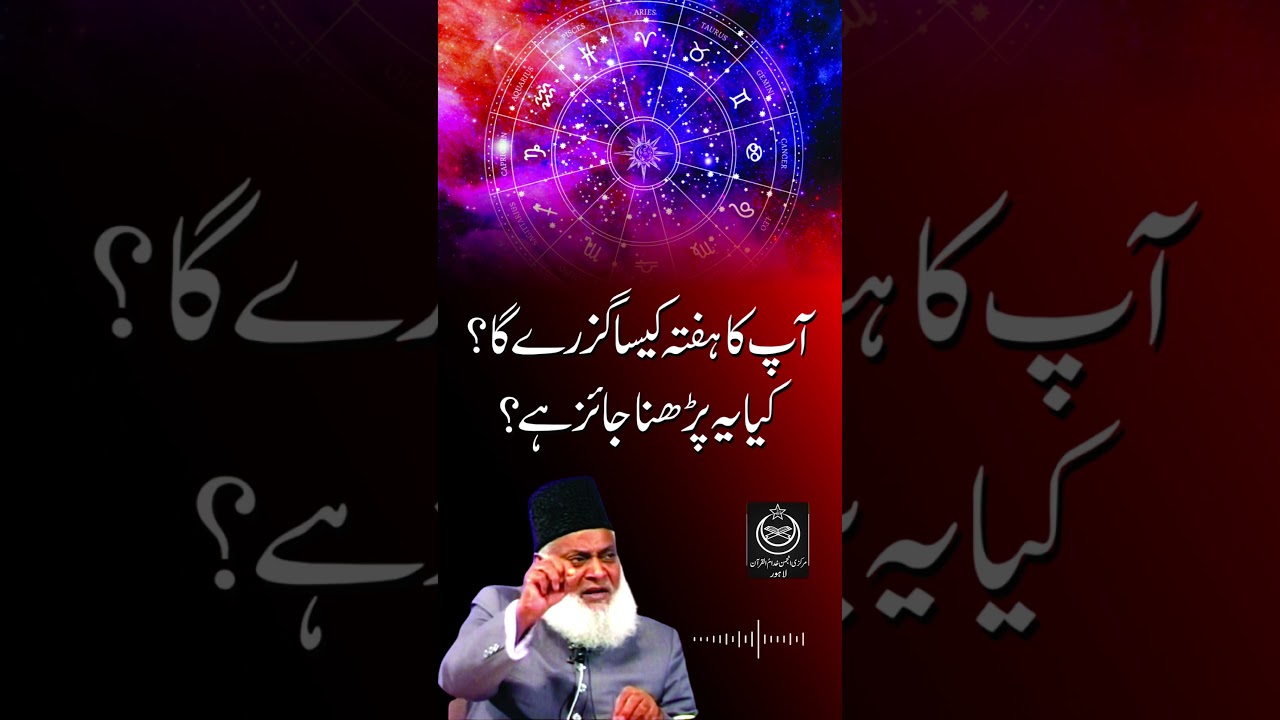
Dr. Israr Ahmad discusses whether reading newspapers or believing in astrological predictions constitutes a sin. He argues that engaging in frivolous activities is undesirable, and time should be dedicated to beneficial and righteous deeds. The lecture centers on the importance of safeguarding one’s time and utilizing it for constructive purposes, rejecting activities that distract from spiritual growth and meaningful work. Belief in astrology is explicitly identified as sinful.
54
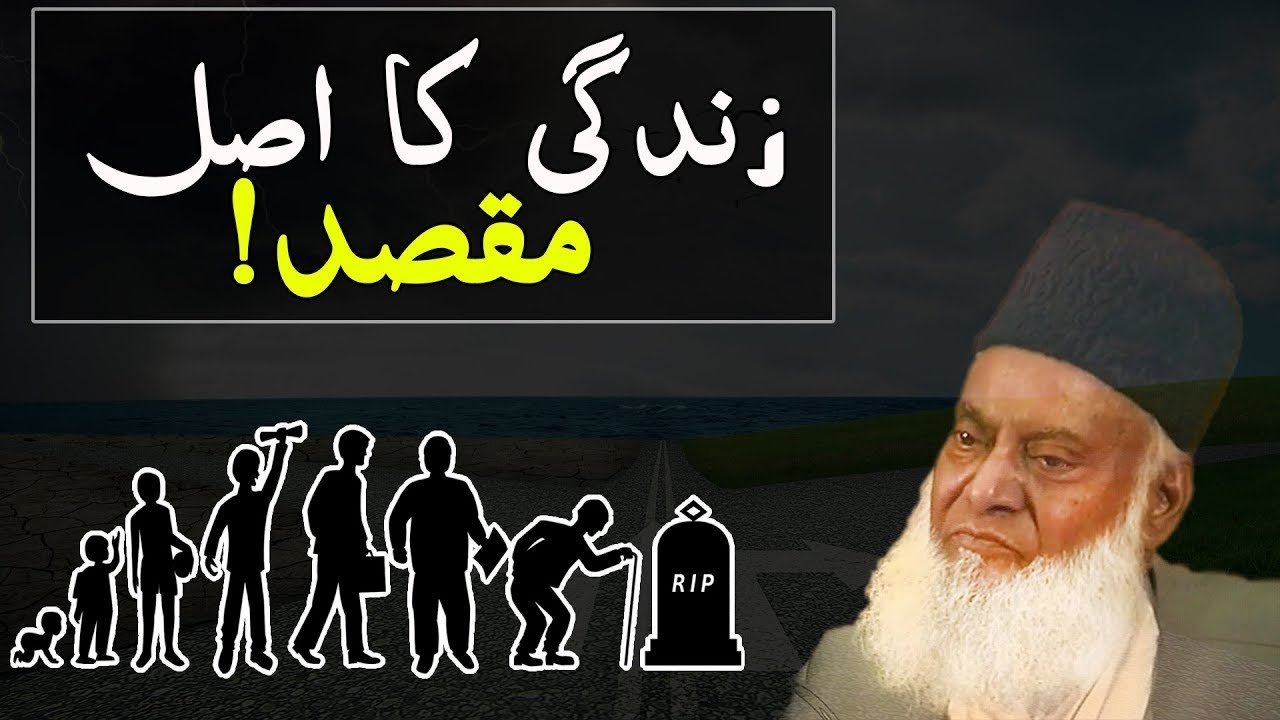
The speaker discusses the sacrifices people make for misguided ideologies, contrasting them with the dedication needed from capable individuals to strengthen religious work. He highlights the importance of educated and well-off youth devoting themselves to faith, questioning how progress can be achieved without their contribution. The lecture emphasizes that dedication to religion shouldn’t be a last resort for those lacking other opportunities, but a conscious choice made by those with the means and ability to contribute meaningfully.
60
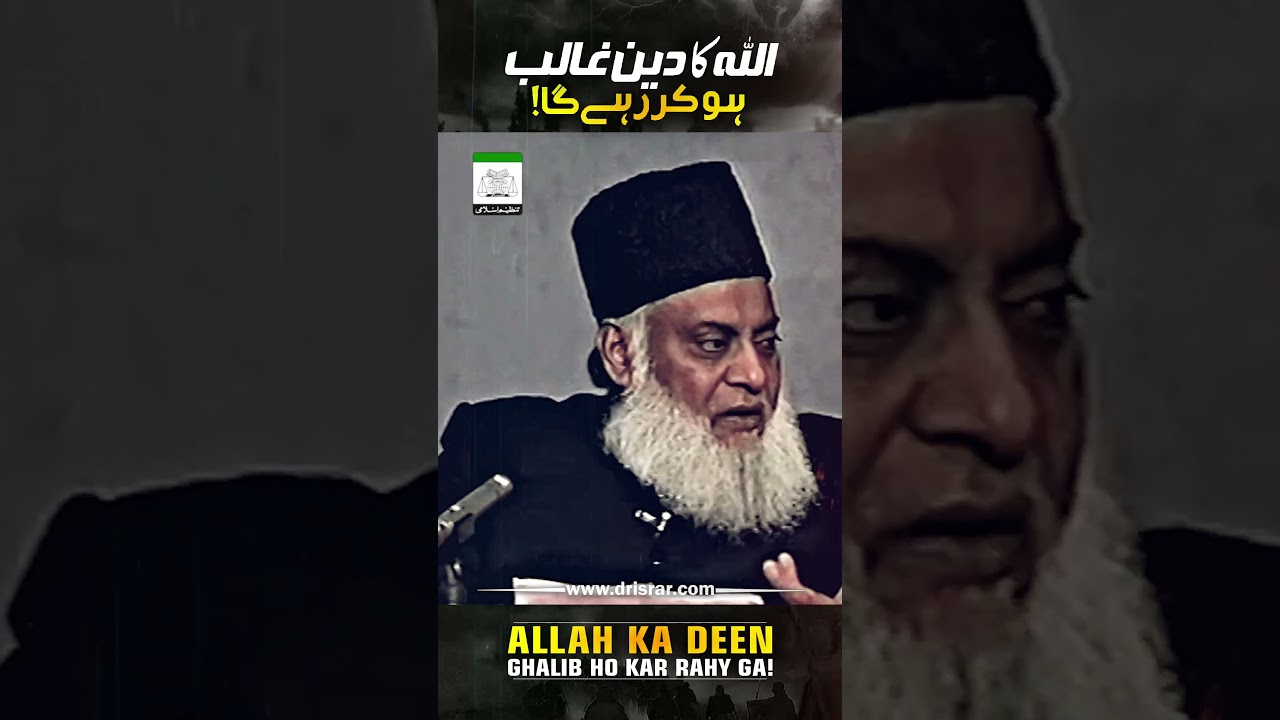
Before the Day of Judgement, Islam will prevail globally because it fulfills the purpose of Muhammad, the Messenger of God. This triumph is essential to completing the divine mission entrusted to him – to establish the dominance of faith across all of humanity. Until Islam is globally dominant, the ultimate purpose remains unfulfilled. This is a call to action, emphasizing that the work of spreading the message of Tawhid (Oneness of God) is ongoing. The Prophet Muhammad (peace be upon him) foretold this prevalence, echoing the sentiment expressed by Iqbal that the source of strength lies within one’s homeland and faith.
43
