Kratke hlače

Dr. Israr Ahmad explains that a prayer is not accepted if the individual’s sustenance, clothing, and even physical being are derived from unlawful sources. He emphasizes that prayers offered while burdened with sin and sustained by illicit means will not reach God. The lecture details how a person’s entire existence must be purified and aligned with righteousness for their supplications to be answered. The speaker highlights the importance of earning lawful livelihood and abstaining from unlawful sources to ensure the acceptance of prayers.

60

This lecture discusses the true essence of *a’etiqaaf* (seclusion in a mosque for worship), emphasizing it as the peak of devotion during Ramadan. The speaker clarifies that *a’etiqaaf* is not a social gathering or a time for frivolous activities like card games. It's a period for intense personal connection with God through solitude, contemplation, Quran recitation, remembrance of God, and voluntary prayers. The lecture stresses that the purpose of *a’etiqaaf* is to attain closeness to God, not to socialize with people, and highlights its significance as the culmination of Ramadan's spiritual journey.
50
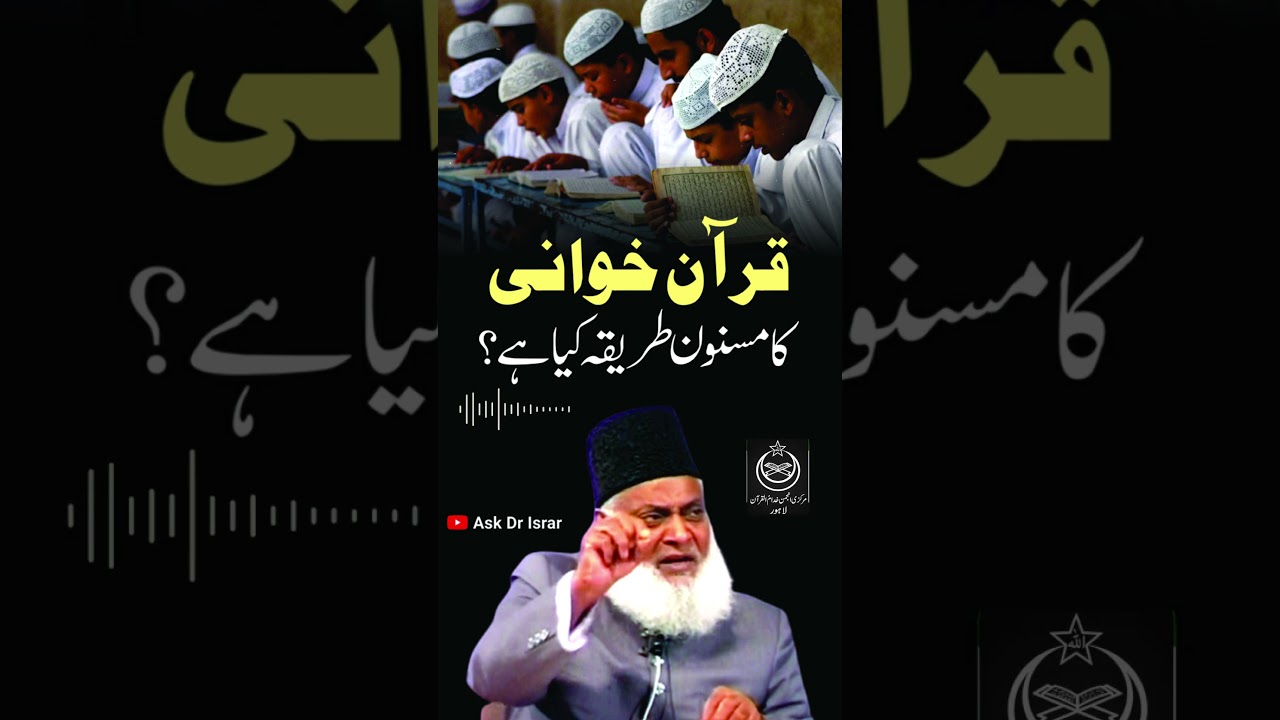
Dr. Israr Ahmad clarifies that the practice of collective Quran recitation for reward (sawab) is an innovation not found in Islamic tradition. True Quran recitation involves individual or attentive listening to a skilled reciter. He condemns the practice of dividing the Quran amongst multiple people to read portions as disrespectful and a form of mockery towards the scripture. The proper way to engage with the Quran is through personal recitation and focused, reverent listening.
73
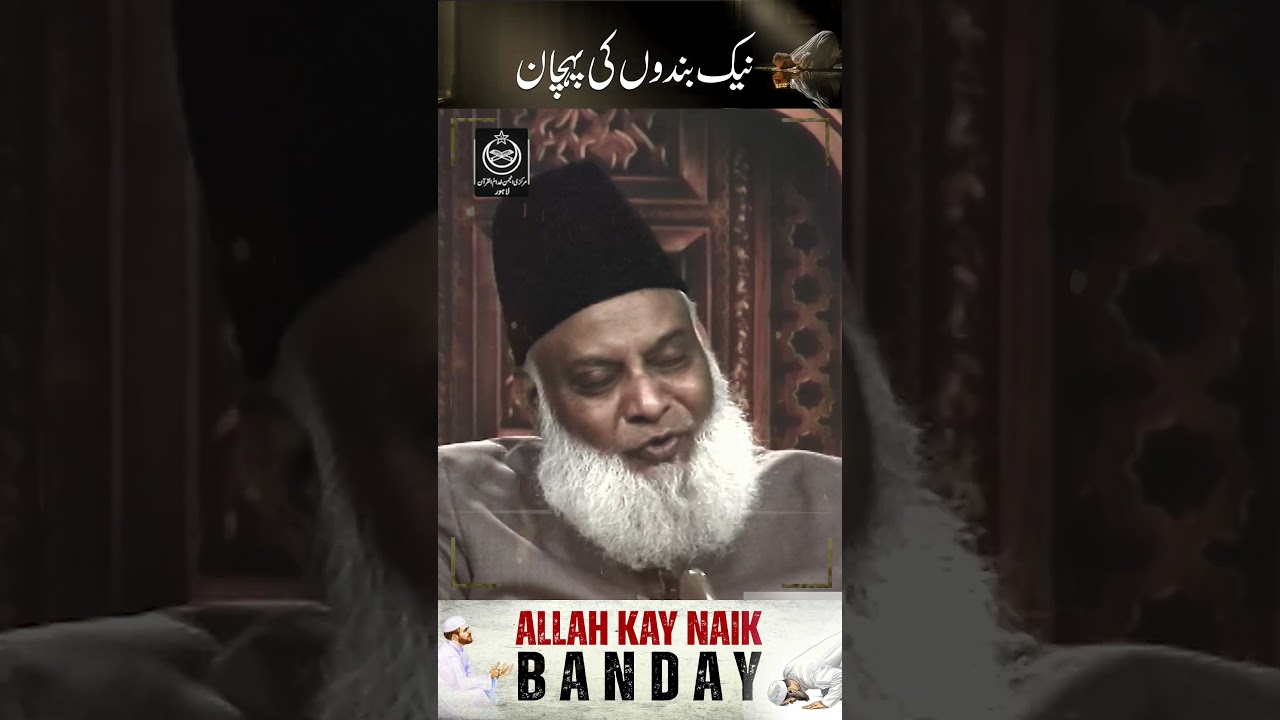
True servants of God walk with humility on Earth. This entails a gentle gait, lowered gaze, and a modest demeanor. They avoid arrogance, forceful strides, and any display of pride. Their movement is characterized by grace, composure, and a mindful awareness of their position before God. This manner of walking reflects inner piety and a recognition of God’s blessings.
68

Dr. Israr Ahmad explains that God desires ease, not hardship, for his followers. The lecture addresses a misguided perception of piety where individuals stubbornly adhere to fasting even in conditions of extreme physical strain, such as during travel or illness. This rigid adherence, he argues, stems from a flawed understanding of religious obligation and fosters extremism. True faith, according to Dr. Ahmad, prioritizes ease and practicality, aligning with God’s desire for simplicity. The lecture highlights the importance of balancing religious observance with physical well-being and common sense.
73
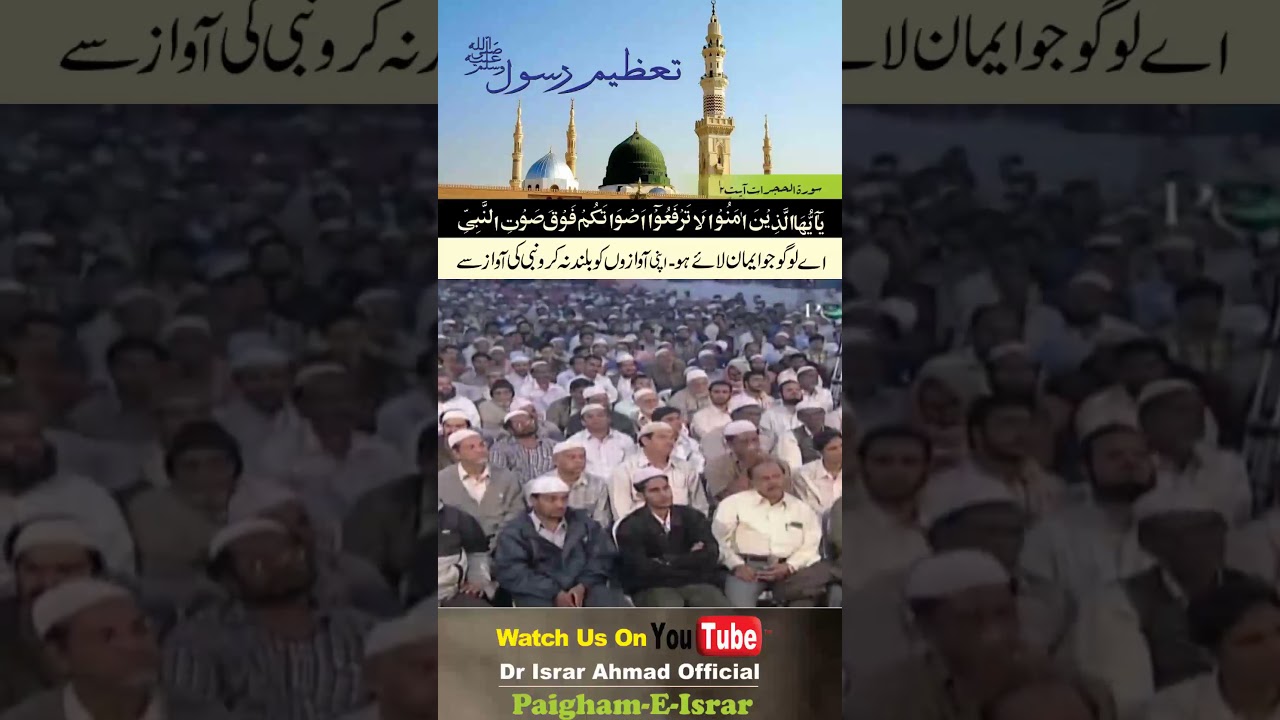
This lecture emphasizes the importance of respectful communication, particularly when discussing religious figures or sacred texts. It cautions against raising one’s voice in the presence of scholarly discussion or when referencing the sayings and actions of the Prophet Muhammad. The speaker stresses immediate silence when a tradition (hadith) is mentioned, prioritizing verification of its authenticity later. Disrespectful discourse is equated with diminishing the value of religious teachings and the Prophet’s legacy, demanding a mindful and humble approach to conversation.
66
