শর্টস
This excerpt emphasizes the importance of patience (sabr) and prayer (namaz) in facing life’s hardships. It instructs believers to seek help through these means, assuring them that God is with those who persevere. The message specifically addresses the Prophet, instructing him to deliver glad tidings to the patient—those who, when afflicted with adversity, respond by acknowledging their origin and ultimate return to God. It highlights a complete reliance on God during times of difficulty and emphasizes acceptance of divine decree.

69
This lecture explores the conflict between intellect and passionate faith, using the story of Ibrahim and Nimrod as a central analogy. It argues that true devotion requires transcending rational self-preservation. The speaker emphasizes that while intellect provides guidance and direction, moments of profound commitment demand acting beyond logical calculation, fueled by unwavering belief. It highlights the importance of emotional conviction in propagating a message, even at personal risk, and asserts that intellectual analysis alone cannot drive transformative action. The lecture encourages listeners to move beyond purely rational thought when pursuing higher purposes, embracing the power of heartfelt conviction.
74
The vast majority of Muslims today lack true faith, with only a small fraction embodying genuine belief. This lecture highlights a pervasive disconnect between professed belief and actual practice, particularly regarding adherence to Quranic principles. Many prioritize worldly concerns and are fixated on death without acknowledging the reality of the afterlife as the true life. The speaker emphasizes a critical contradiction: professing belief in the Quran while simultaneously engaging in prohibited practices like usury, demonstrating a lack of genuine faith in divine commandments.
71
The speaker addresses a concern raised by his wife regarding his beard. He clarifies that growing a beard is a commandment of the Prophet Muhammad, following the practice of all prophets. He emphasizes the Prophet’s directive to trim the mustache and grow the beard, urging adherence to this sunnah with the expectation that acceptance will follow gradually. The discussion highlights the religious significance of beard growth as an act of obedience and a means of aligning oneself with the traditions of the prophets.
73

This lecture addresses the plight of the impoverished, highlighting the harsh realities faced by those struggling to meet basic needs. It emphasizes that individuals preoccupied with daily survival – those who cannot consistently secure even two meals a day and labor for ten to twelve hours – are deprived of the capacity for spiritual contemplation. The speaker asserts that systemic poverty degrades humanity, reducing individuals to a bestial existence, akin to livestock. This degradation strips them of their dignity and their ability to connect with the divine.
1,428
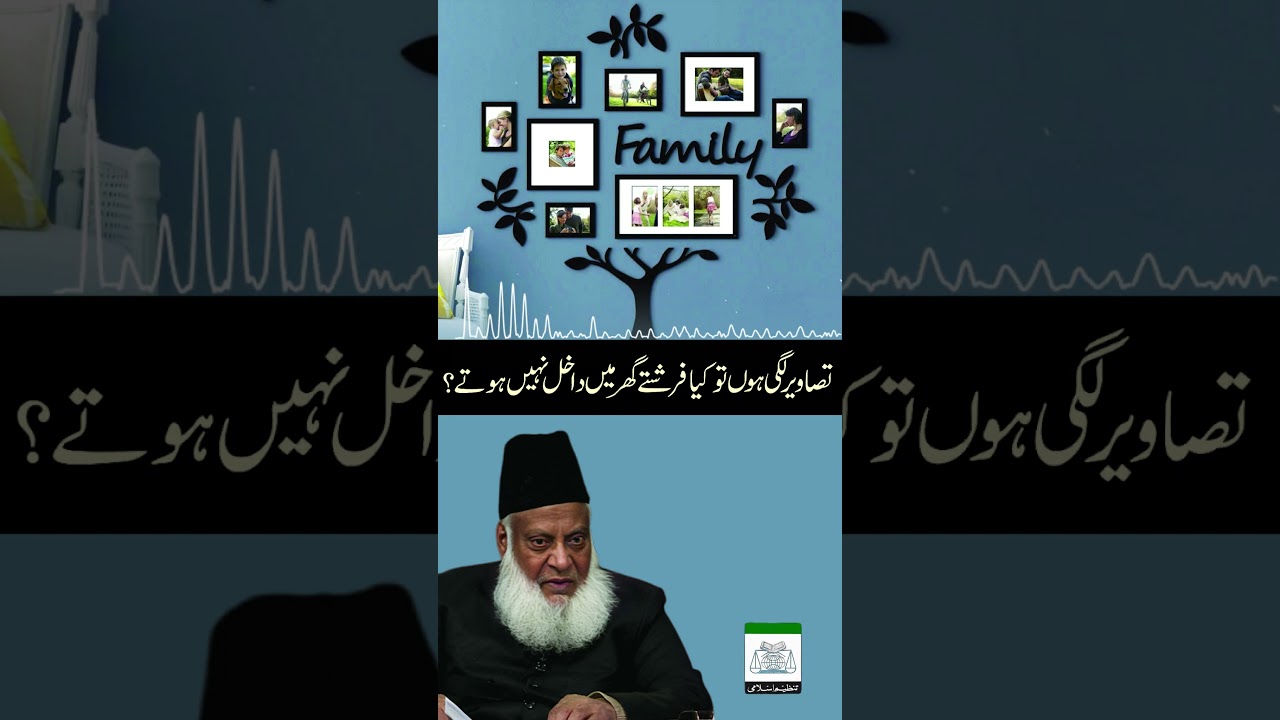
The presence of photographs within a home prevents angels from entering. This impacts the spiritual well-being of all inhabitants, hindering their worship. While angels of mercy refrain from entering homes displaying images, recording angels remain present. The prohibition stems from a divine disapproval of pictorial representations, serving as an expression of displeasure. The issue is one of religious preference, not a strict legal matter. Displaying pictures is discouraged, but not considered a fatal flaw in faith.
84
