Quần short
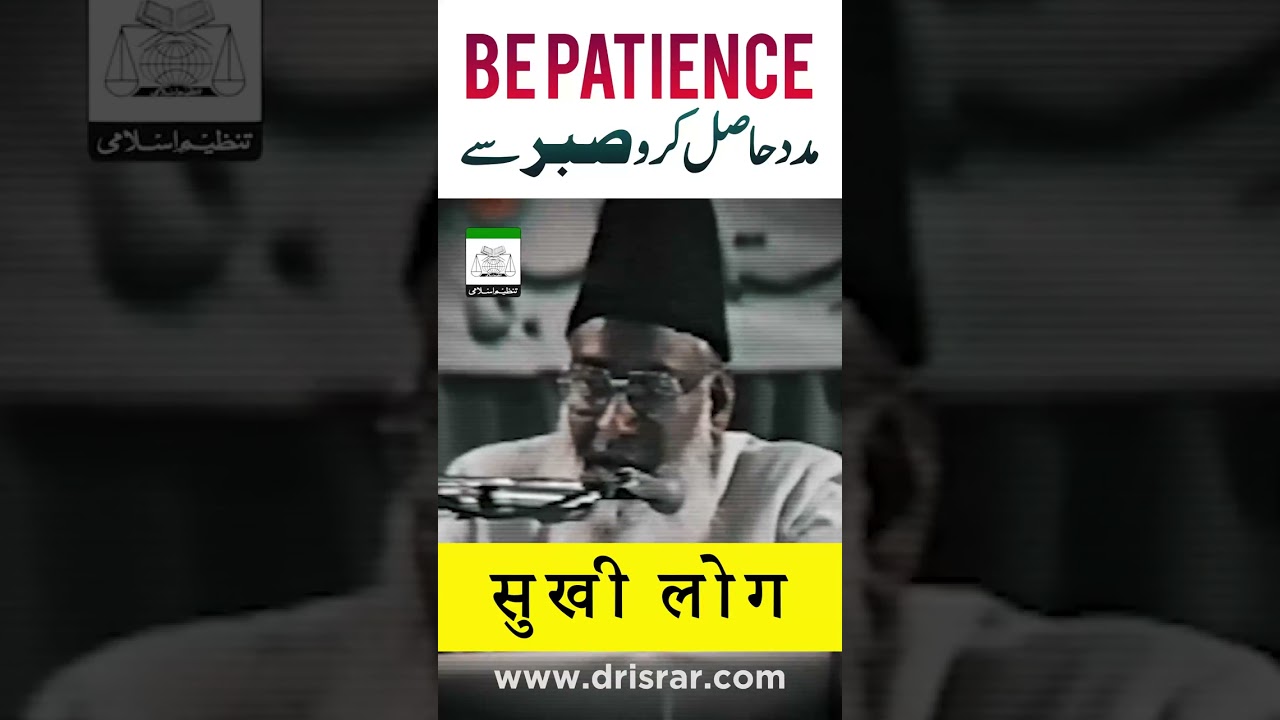
This excerpt emphasizes the importance of patience (sabr) and prayer (namaz) in facing life’s hardships. It instructs believers to seek help through these means, assuring them that God is with those who persevere. The message specifically addresses the Prophet, instructing him to deliver glad tidings to the patient—those who, when afflicted with adversity, respond by acknowledging their origin and ultimate return to God. It highlights a complete reliance on God during times of difficulty and emphasizes acceptance of divine decree.

69

True faith necessitates prioritizing devotion to God above all else, even familial bonds. This lecture explores the conditions for attaining genuine faith, emphasizing that complete obedience to God is a continuous struggle against internal desires and external temptations. Four fundamental acts of worship are presented as pillars supporting a life of sincerity and devotion. The lecture stresses the difficulty of this pursuit, acknowledging the influence of the self and the constant efforts needed to overcome worldly inclinations. Genuine worship demands a wholehearted commitment, transcending mere ritualistic observance.
63

This lecture analyzes the power dynamics within a political system, asserting that media, particularly television, has become a dominant force, exceeding the influence of the traditional fourth estate. It argues that media outlets, especially those controlled by specific interests, shape public opinion and restrict independent thought. The speaker contends that this control effectively holds the nation hostage, dictating beliefs and perspectives. The analysis ultimately suggests a reduction in the pillars of power from four to three – the executive, judiciary, and legislature – due to the manipulative power of modern media.
43

This lecture addresses the challenges of raising children in a materialistic world. It clarifies that not all spouses and children are supportive, and some may lead one astray. The core message emphasizes that true success lies in nurturing children with Islamic values, providing them with a good education through lawful means, and avoiding compromise on principles for their sake. It warns against prioritizing children’s worldly desires over one’s own spiritual well-being and highlights that sacrificing integrity for their happiness is detrimental. The speaker stresses that the greatest misfortune is to ruin one’s afterlife while trying to build a good life for one's children.
103

Taqwa, often translated as piety or God-consciousness, is fundamentally about safeguarding oneself from disobedience to God. It encompasses avoiding prohibited acts, adhering to divine commands, and shielding oneself from God’s wrath and the consequences of wrongdoing in this life and the hereafter. This involves a consistent, lifelong effort to protect oneself from anything that displeases God, fostering a constant awareness of divine judgment. It's a proactive approach to avoiding sin and seeking God's favor.
46

Dr. Israr Ahmad discusses the historical context of Islam’s arrival in the Mewat region, an area initially lacking formal religious education and practice. He explains how early conversions were often superficial, lacking deep understanding of Islamic rituals. The speaker details the common practice of validating marriages through symbolic acts—exchanging garments and circling each other—to ensure the commitment was genuine, rather than merely a verbal agreement. This ensured a true bond was established, solidifying the marriage contract beyond a simple recitation.
78
