شلوار کوتاه
This excerpt emphasizes the importance of patience (sabr) and prayer (namaz) in facing life’s hardships. It instructs believers to seek help through these means, assuring them that God is with those who persevere. The message specifically addresses the Prophet, instructing him to deliver glad tidings to the patient—those who, when afflicted with adversity, respond by acknowledging their origin and ultimate return to God. It highlights a complete reliance on God during times of difficulty and emphasizes acceptance of divine decree.

69
The Quran provides guidance on two primary levels: intellectual and practical. It addresses fundamental philosophical questions concerning the nature of existence, life, truth, and morality—exploring concepts such as the universe, the meaning of life, knowledge, right and wrong, good and evil. Simultaneously, the Quran offers a comprehensive system of practical directives governing individual and collective life, encompassing religious obligations, ethical guidelines, economic principles, and social norms. This dual approach provides both intellectual understanding and actionable guidance for humanity.
56
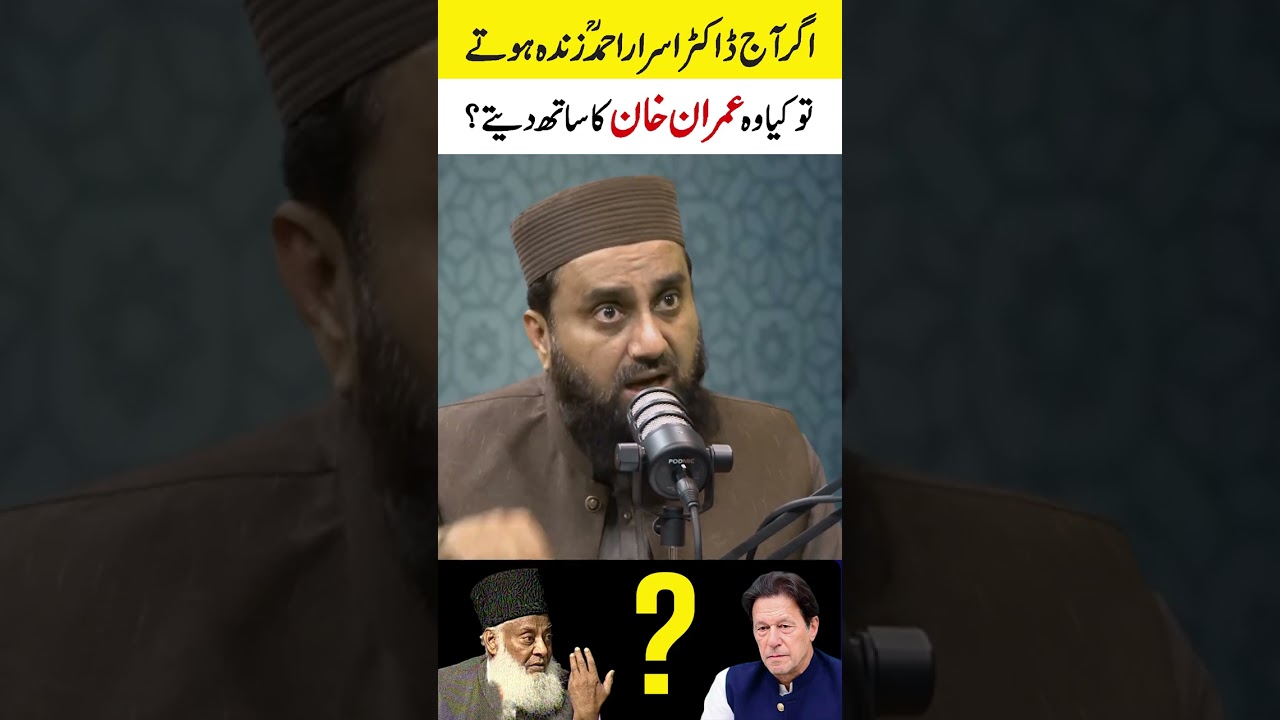
Dr. Israr Ahmad discusses the concept of a 'State of Medina' and its moral foundations, criticizing the hypocrisy of those who invoke its principles while failing to embody its ethical standards. He emphasizes the importance of upholding justice, promoting good, and preventing evil, and warns against inconsistency between professed ideals and actual conduct. He stresses the need for genuine piety and righteousness in all aspects of life, particularly within political spheres. He further clarifies that offering constructive advice to those in power is a continuous responsibility, driven by a desire for societal betterment.
65
Musab bin Umair, a companion of the Prophet Muhammad, was a standard-bearer in the Battle of Ahzab. Despite suffering severe injuries—losing both hands while defending the Muslim flag—he refused to let it fall. He held the flag with the remnants of his arms until he was martyred. A problem arose during his burial as the cloth covering his body was too small to cover his head and feet simultaneously. The Prophet Muhammad instructed his followers to cover his head and place grass over his feet.
75
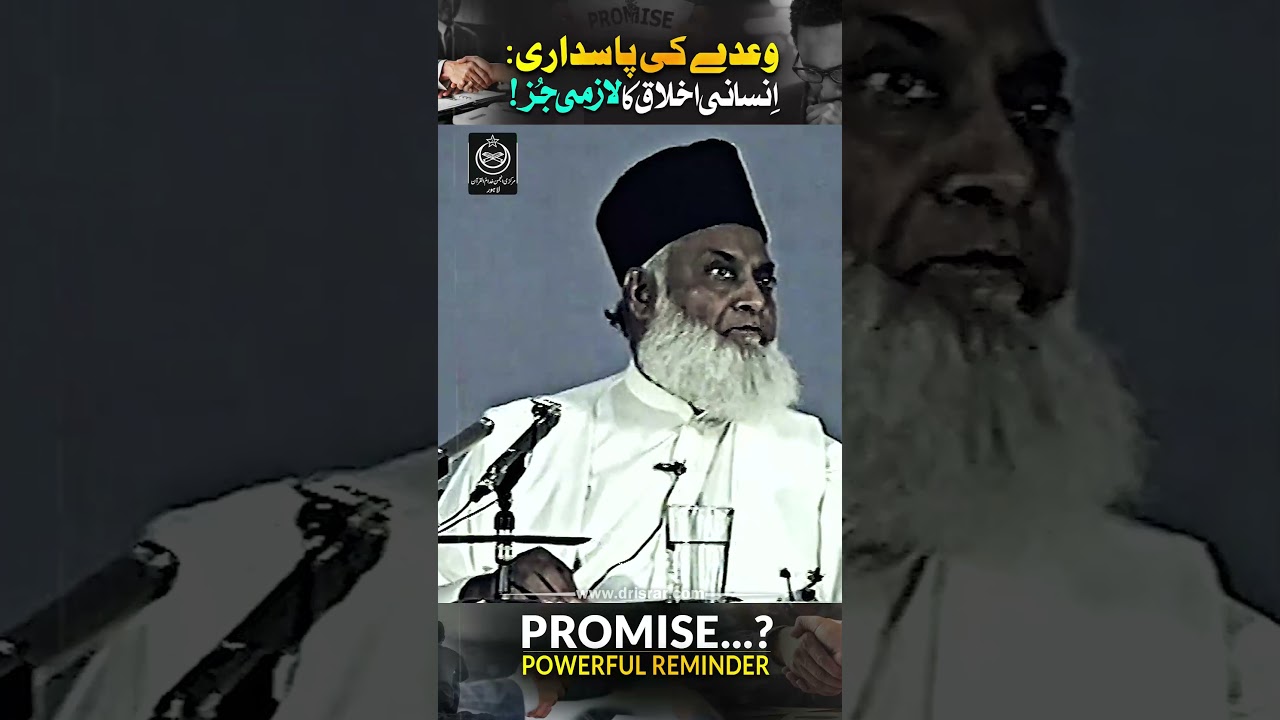
The speaker discusses a decline in ethical standards within society, moving beyond mere indecency to a fundamental erosion of basic human morals. This manifests as a lack of integrity – saying things one doesn’t mean and failing to uphold promises. Historically, even non-believers maintained a directness lacking in current society; they were either openly hostile or adhered to their word. The speaker draws a parallel to the historical figures of Medina and Mecca, noting the presence of hypocrisy and deceitful behavior in Medina, while Mecca generally upheld a more straightforward code of conduct. The speaker asserts a general decline in societal capacity for integrity and principled action.
58
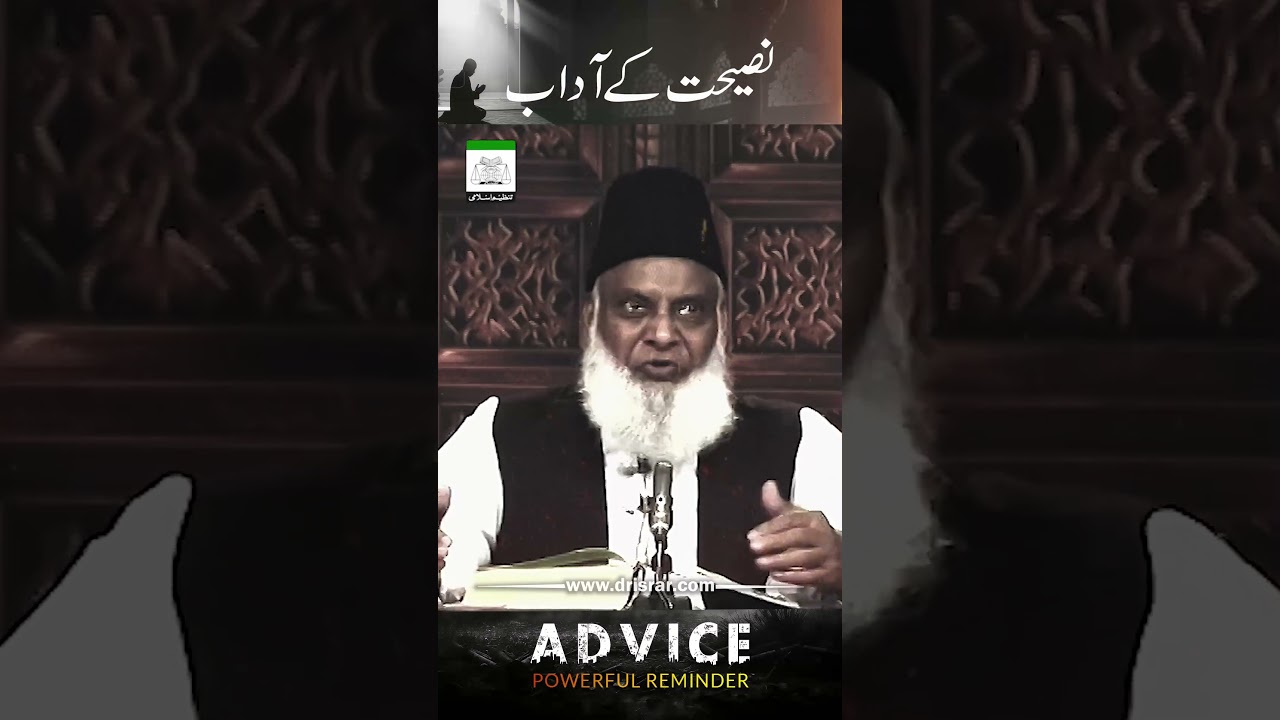
This lecture explores the qualities of a truly righteous individual: one who actively invites others to God, consistently performs good deeds, and sincerely identifies as a Muslim striving for obedience. The speaker emphasizes humility, acknowledging personal fallibility and the importance of repentance. A virtuous person isn't defined by claims of piety or perfection, but by a consistent return to God after mistakes. The core message is that genuine faith involves both action and sincere self-assessment.
94
