السراويل القصيرة
This lecture emphasizes prioritizing the afterlife while fulfilling worldly needs. It stresses reliance solely on Allah, avoidance of major sins, controlling anger, establishing a heart connection with Allah through prayer, seeking counsel, and dedicating wealth to the cause of Allah. The speaker advocates a balanced life focused on spiritual preparation and righteous action.

65
The lecture discusses the concept of *bidat* (innovation) in religious practice, specifically distinguishing between permissible and impermissible innovations. It focuses on the example of Hazrat Umar Farooq (RA) initiating the practice of reciting *tarawih* prayers in rows behind the Imam, which he termed a *bidat hasana* (good innovation). However, the lecture emphasizes that the right to declare an innovation as *hasana* is exclusive, and Muslims should adhere to the example of the Prophet Muhammad (peace be upon him) and the rightly guided caliphs. The core argument is that innovation should not be introduced independently, but only when justified by established principles and guided by prophetic tradition. Following the Prophet’s and the rightly guided caliphs’ practices is paramount.
64
This lecture explores the unique responsibility of the final messenger and the final nation (Ummah). It emphasizes that while other nations historically lived for their own interests and glory, this nation’s purpose is to live for the world, striving for guidance and leaving a lasting legacy. The speaker highlights a concern that the Muslim community has forgotten its mission and questions whether it will fulfill its role of disseminating truth and knowledge. It is a call to action, urging self-reflection and a renewed commitment to the core principles of Islam.
51
This lecture emphasizes the inseparable connection between faith and action. It asserts that a person who habitually breaks small promises is unlikely to fulfill larger, lifelong commitments. True faith and consistent action are intrinsically linked; one cannot exist without the other. The speaker highlights that faith without practical manifestation is incomplete, and consistent action without a foundation of faith is unsustainable. This bond is fundamental to a meaningful life and fulfilling one's purpose.
50

This lecture details Allah’s promises to those who uphold faith and righteous deeds: establishing them as successors on Earth, granting dominance to their religion, and replacing fear with security. It emphasizes the historical precedent of prophets like Dawood (David) receiving divine support and leadership, and applies this promise to the Muslim community, highlighting the eventual triumph of Islam and the establishment of a secure and just governance.
72
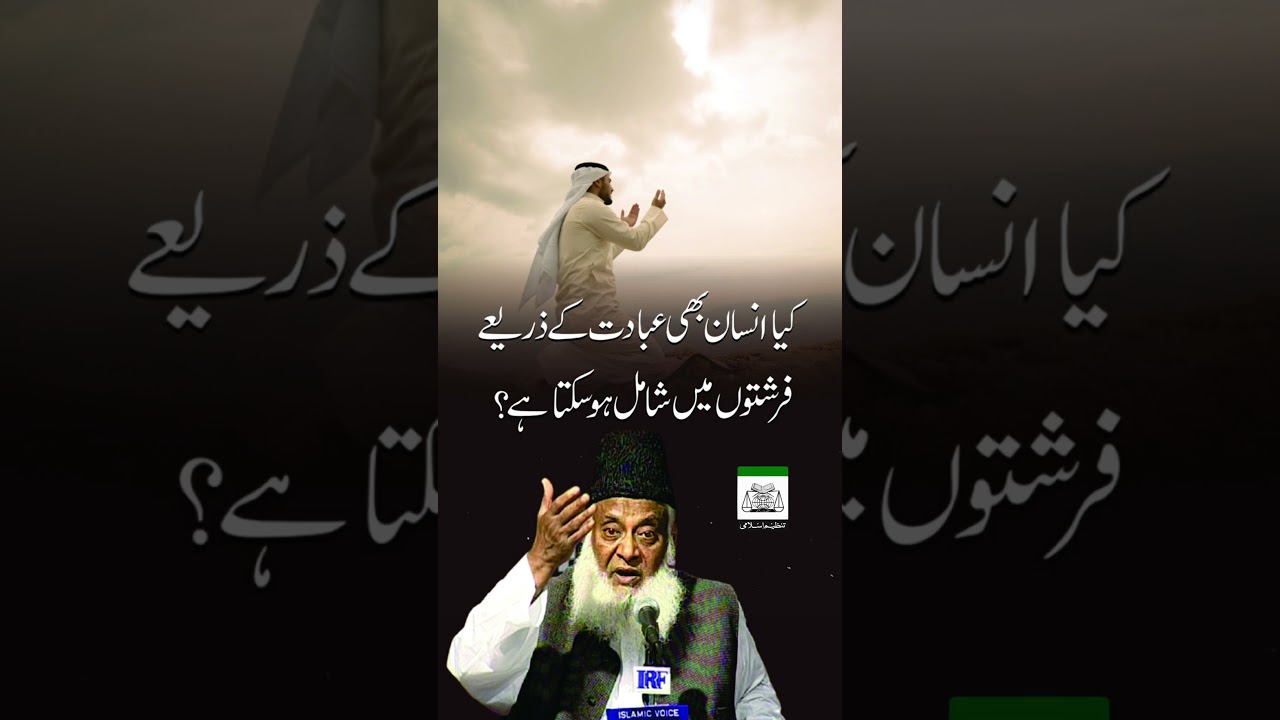
The lecture discusses the possibility of a human attaining a status akin to angels through sincere worship, referencing the case of Azazil. It explains that pious individuals, known as Wali Allah, after death, have their souls integrated into the lower ranks of angels—not the highest—to serve as divine agents. This integration occurs by divine selection and is supported by the example of Shah Ali Allah, whose scholarly stature and spiritual position serve as evidence.
55
