Kratke hlače
This lecture emphasizes prioritizing the afterlife while fulfilling worldly needs. It stresses reliance solely on Allah, avoidance of major sins, controlling anger, establishing a heart connection with Allah through prayer, seeking counsel, and dedicating wealth to the cause of Allah. The speaker advocates a balanced life focused on spiritual preparation and righteous action.

65
The lecture discusses the difference between reciting or listening to the Quran merely for information versus acting upon its teachings. The companions of the Prophet Muhammad (peace be upon him) immediately assessed their ability to fulfill the commands of each verse revealed. When the verse commanding adherence to *taqwa* (God-consciousness) was revealed, they questioned how anyone could fully fulfill God’s right to it. A subsequent verse clarified that individuals should strive to fulfill God’s commands to the best of their ability, recognizing the limitations of human capacity. The core message emphasizes sincere intention and striving within one's means.
62
This lecture details the four characteristics that define a complete hypocrite, and the presence of even one of these traits indicates a degree of hypocrisy. These characteristics are: disloyalty when entrusted, lying when speaking, breaking promises, and losing control during disputes, escalating to abusive language and physical aggression. The speaker explains that true conflict resolution requires self-control and adherence to truthfulness, while the traits of a hypocrite lead to societal breakdown and discord. The lecture emphasizes that even a small amount of hypocrisy can be damaging and requires immediate self-correction.
73
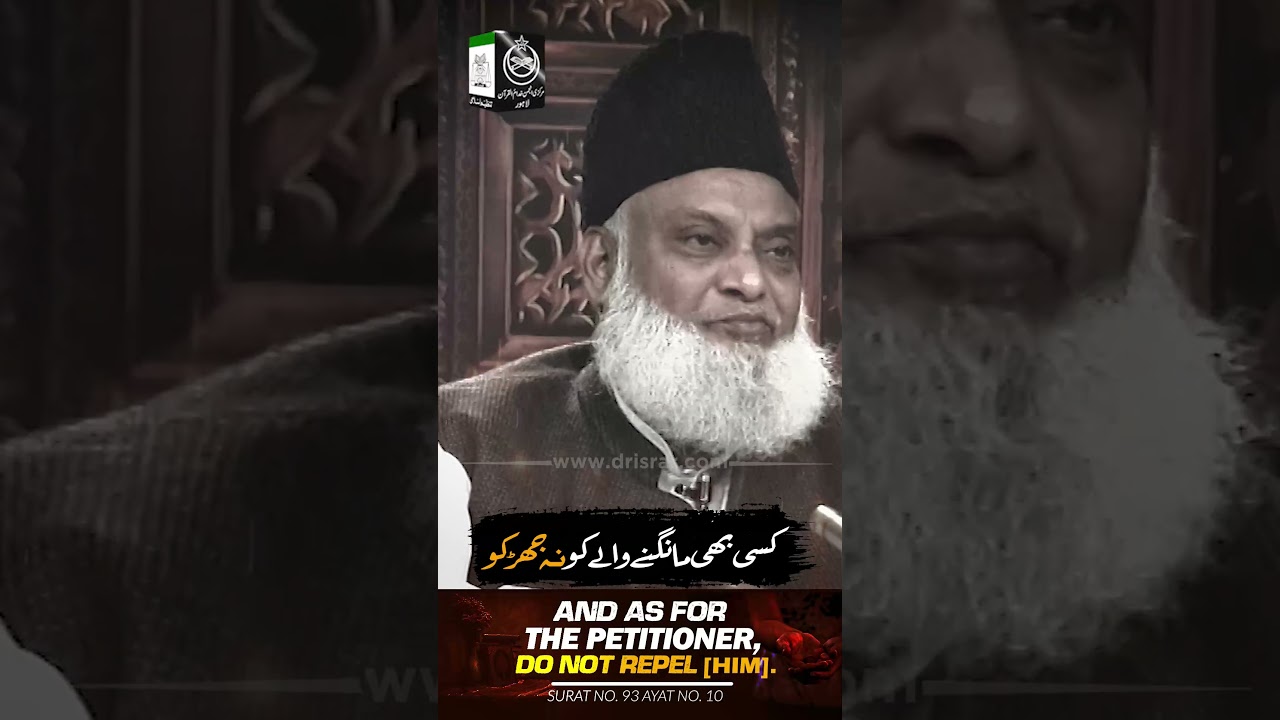
This lecture emphasizes the importance of respectful interaction with those in need, based on the final verses of Surah Ad-Duha. It clarifies that rebuking or harshly responding to a petitioner is prohibited in Islam. The verses instruct believers to avoid dismissive behavior and instead respond with kindness, even if politely declining to fulfill the request. The lecture highlights the significance of empathy and good manners when dealing with those who ask for help, advocating for a gentle and considerate approach.
57
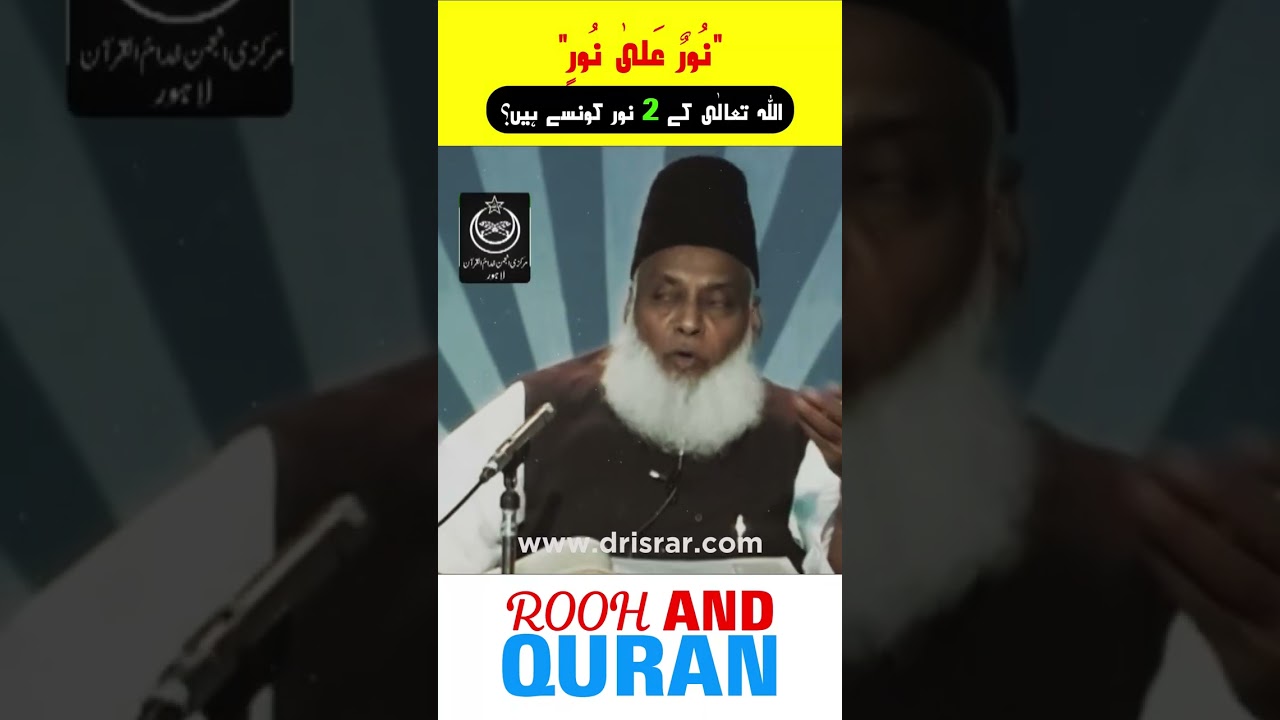
This lecture explores the concept of *noor* (light) as inherent within the human heart and soul, predating the revelation of the Quran. The Quranic light, upon its descent, awakens and activates this pre-existing inner illumination. This process is exemplified in the Prophet Muhammad’s life, where the Quran served as a catalyst for his inherent spiritual capacity. The Quran is presented as a divine guide, empowering the Prophet to lead humanity towards righteousness. The lecture emphasizes the transformative power of the Quran in illuminating the inner self and guiding others towards the straight path.
58

This lecture discusses the inevitability of trials and tribulations in the lives of believers, referencing historical hardships faced by early Muslims, particularly during times of famine and war. It emphasizes that these tests are not punishments, but opportunities to demonstrate patience and faith. The speaker recounts instances of extreme hunger experienced by companions of the Prophet Muhammad (peace be upon him), highlighting their resilience and sharing of limited resources. The core message is that enduring hardship with patience brings divine reward and strengthens one’s connection with God.
59
