短裤
This lecture emphasizes prioritizing the afterlife while fulfilling worldly needs. It stresses reliance solely on Allah, avoidance of major sins, controlling anger, establishing a heart connection with Allah through prayer, seeking counsel, and dedicating wealth to the cause of Allah. The speaker advocates a balanced life focused on spiritual preparation and righteous action.

65
This lecture clarifies the obligation of Hajj for those who possess the means. It explains that Hajj is a debt owed to God, becoming obligatory when one has the physical and financial capacity to perform it, including provisions for travel, accommodation, and sustenance. Delaying Hajj after fulfilling these conditions constitutes a significant sin. The discussion emphasizes fulfilling the rituals and offering sacrifice as integral parts of the pilgrimage.
59
This excerpt emphasizes the dangers of arrogance and pride. It highlights that boastful behavior and walking with conceit are displeasing to God. The passage explains that outward displays of power and attempts to assert dominance are ultimately futile and cannot elevate one to true greatness. True worth lies not in outward show, but in humility and recognizing one's limitations. This message reinforces similar teachings found in Surah Bani Israil, and underscores that material power and self-importance are insufficient to achieve spiritual elevation.
112
This lecture analyzes the French and Russian Revolutions, highlighting their incomplete nature. Both revolutions primarily altered the political structure while leaving core beliefs, social systems, values, and economic institutions largely unchanged. The Bolshevik Revolution uniquely transformed the economic framework by abolishing private ownership and nationalizing resources, yet it did not affect the fundamental beliefs or social values. This discussion emphasizes how revolutions often fail to achieve comprehensive societal change, focusing instead on specific structural adjustments.
73
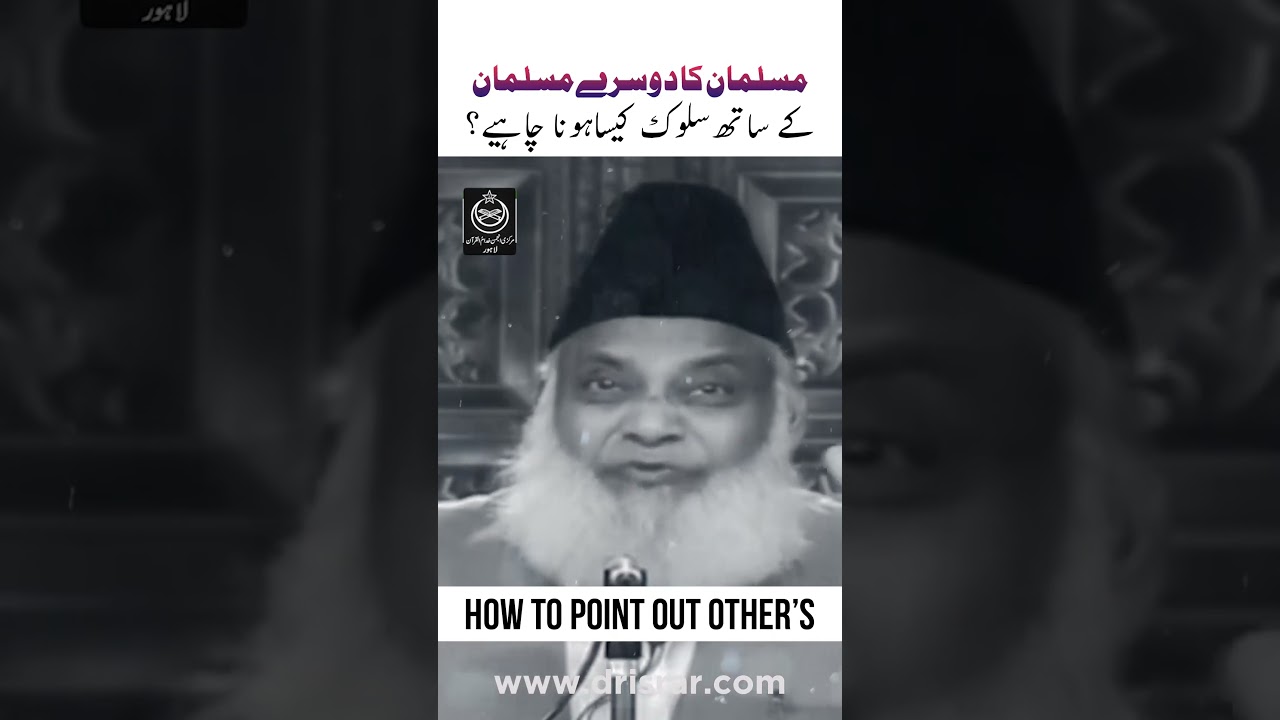
This lecture explains the hadith stating that Muslims should be mirrors to one another. This means Muslims should respectfully and compassionately point out each other’s flaws, not to demean, but to facilitate self-improvement. This guidance emphasizes delivering constructive criticism with kindness, sincerity, and a genuine desire for the other’s betterment. The focus is on offering advice from a place of goodwill, devoid of arrogance or self-righteousness, and with a spirit of empathy and heartfelt concern.
57
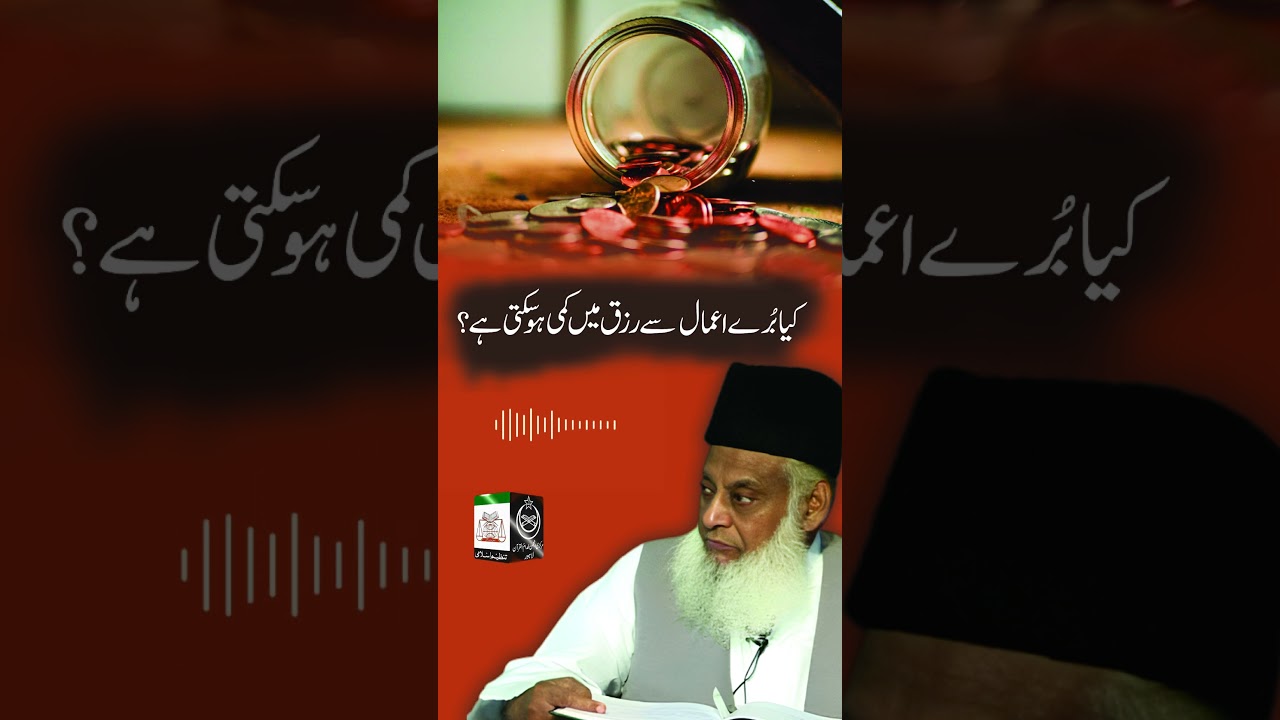
This lecture explores the interplay between divine decree (taqdeer) and the efficacy of prayer (dua). It clarifies that while Allah has knowledge of all outcomes, sincere supplication can influence events within the bounds of His will. The discussion addresses whether good deeds and prayers can increase blessings or mitigate difficulties ordained by Allah. It also explains the concepts of fixed and suspended decree, and how human actions, both righteous and otherwise, impact one's sustenance and blessings. Finally, it highlights that increased blessings can also manifest as greater barakah (divine blessing) within existing provisions, stemming from contentment and divine grace.
36
