Celana pendek

The speaker asserts that religious morality built upon a foundation lacking inherent ethical character is inherently weak and ineffective. He illustrates this with the example of a local businessman known as Haji Blackia, a wealthy sugar distributor known for his outward religious observance (leading prayers, having a long beard) but lacking genuine moral principles. The speaker argues that superficial religious practice without inner integrity is meaningless and ultimately futile. True religious morality must be rooted in solid ethical character.

64
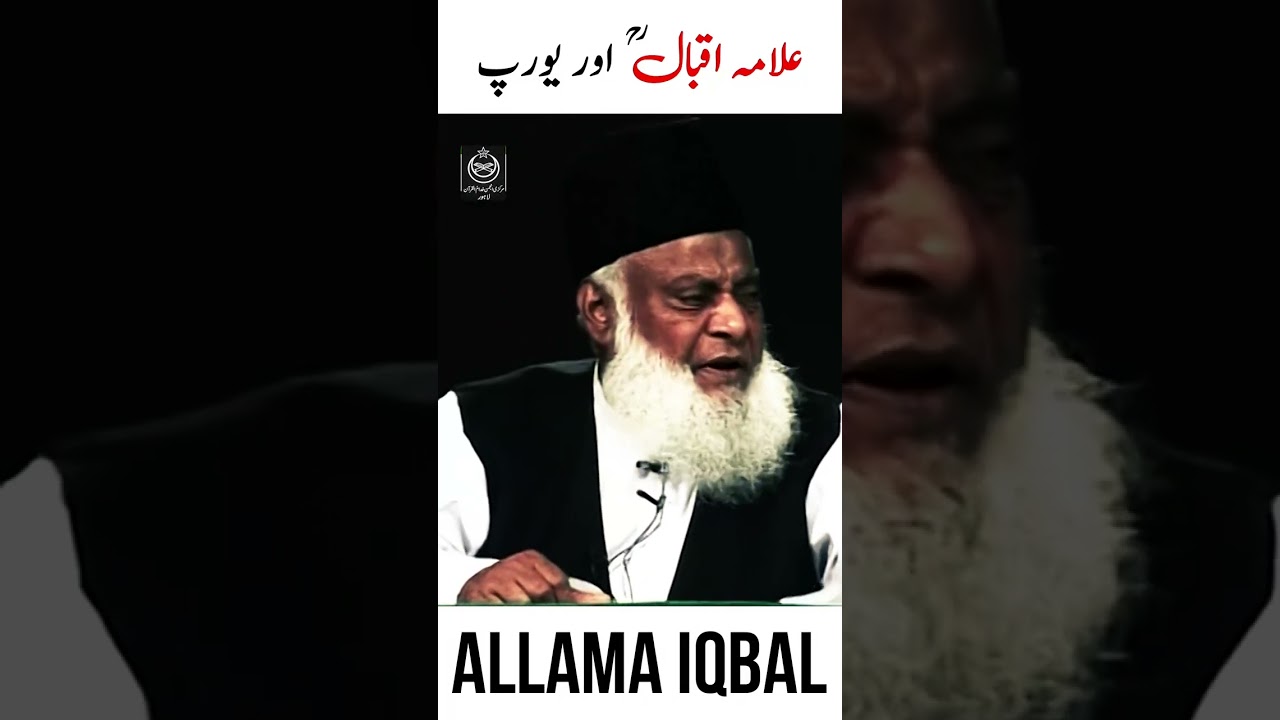
Allama Iqbal’s journey to Europe marked a significant intensification of his Islamic faith. His upbringing, deeply rooted in religious values through his devout mother and Sufi father, provided a strong foundation. While initially religious, his experiences in England proved transformative. He describes a feeling of being ‘tested’ through exposure to Western philosophy and thought, likening it to the trial of Abraham. This period of intellectual and spiritual challenge forged a deeper, more resilient faith within him. He portrays this period as a trial by fire, a process of purification and strengthening of his religious convictions.
31
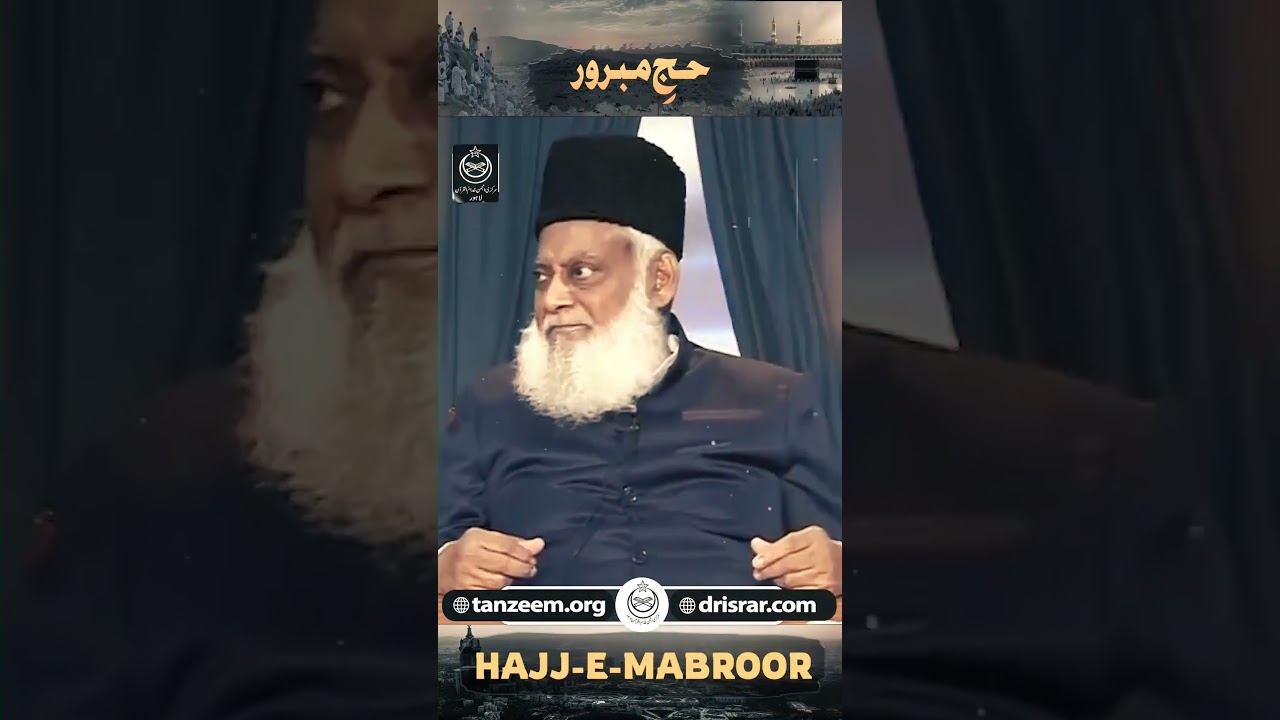
A truly accepted pilgrimage, Hajj-e-Mabroor, is achieved through earnings from lawful sources and meticulous adherence to all its conditions, avoiding disputes and prioritizing the needs of fellow pilgrims. This selfless act fosters piety and guarantees a reward from Allah. Such a pilgrimage cleanses one of past sins, akin to a newborn's purity. It emphasizes the importance of sincerity, lawful income, and selfless service during Hajj to attain divine acceptance and spiritual renewal.
68

The foundational step to demonstrating true faith involves abstaining from interest, upholding modesty within the home, eliminating unlawful earnings, and diligently fulfilling religious obligations like prayer, fasting, pilgrimage, and charity. Acting upon aspects of Islamic law, even amidst difficulty, is compulsory. Those unable to practice should refrain from claiming allegiance to Islam or advocating for its dominance, as hypocritical behavior damages the religion’s reputation. Consistent personal practice is essential before promoting Islamic ideals.
61

According to revealed scriptures, the gravest sin is usury (interest). Shirk (associating partners with God) is unpardonable. The Quran states God does not forgive associating partners with Him, but forgives lesser sins to whomever He wills. Usury, declared as warfare by God and His Messenger, has become central to modern economic systems like banking and capitalism.
92

This lecture emphasizes the importance of respectful communication, particularly when discussing religious figures or sacred texts. It cautions against raising one’s voice in the presence of scholarly discussion or when referencing the sayings and actions of the Prophet Muhammad. The speaker stresses immediate silence when a tradition (hadith) is mentioned, prioritizing verification of its authenticity later. Disrespectful discourse is equated with diminishing the value of religious teachings and the Prophet’s legacy, demanding a mindful and humble approach to conversation.
64
