Pantalones cortos

The speaker asserts that religious morality built upon a foundation lacking inherent ethical character is inherently weak and ineffective. He illustrates this with the example of a local businessman known as Haji Blackia, a wealthy sugar distributor known for his outward religious observance (leading prayers, having a long beard) but lacking genuine moral principles. The speaker argues that superficial religious practice without inner integrity is meaningless and ultimately futile. True religious morality must be rooted in solid ethical character.

63
Dr. Israr Ahmad explains that the practice of *barat* (wedding processions) has no basis in Islamic scripture. He details its origins in pre-Islamic, specifically Hindu, customs. Historically, *barats* originated as armed escorts to transport the bride and her dowry safely between villages, protecting against bandits. These processions evolved into extravagant, multi-day celebrations involving feasting and displays of wealth. Dr. Ahmad asserts that this entire practice is foreign to Islamic teachings and represents a cultural import, not a religious obligation. The custom’s roots lie entirely outside Islam.
60
Allama Iqbal eloquently states that a Muslim's life is defined by adherence to a constitutional framework – the Quran. This framework sustains the Muslim community, analogous to the body sustained by the soul. Just as a body ceases to function without a soul, the community’s vitality depends on the Quran. The Quran is the heart of the Muslim community, a guiding force and connection to God. Without this divine connection, existence is meaningless; the community is merely dust without a guiding light. The Quran is the rope of God, providing strength and direction. A life devoid of this connection lacks purpose and substance.
64
This lecture explains that divine assistance arrives after a thorough testing of one’s sincerity and purity. The speaker emphasizes that Allah tests individuals completely to confirm their true worthiness before providing help. True assistance manifests only when one’s inner self is proven genuine. The lecture draws a parallel to a gardener nurturing a garden, suggesting that divine intervention, like the arrival of angels, occurs after meticulous preparation and a demonstration of genuine effort. It highlights that Allah observes and tests before bestowing blessings.
94
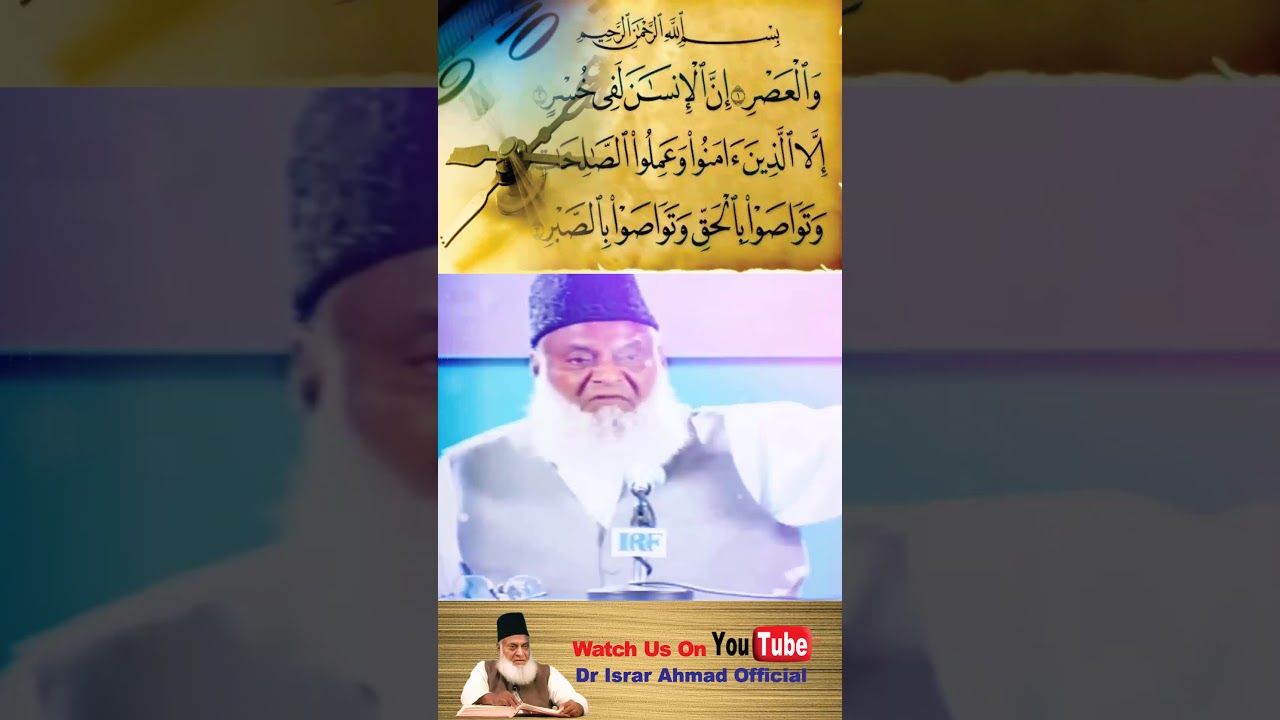
Humanity, universally, is in loss. Salvation is achieved through four essential conditions: faith, righteous deeds, advocating truth, and encouraging good conduct. These are not merely recommendations, but fundamental requirements for achieving deliverance. Without fulfilling these conditions, true salvation remains unattainable. This lecture details these prerequisites for spiritual success and a meaningful life.
220
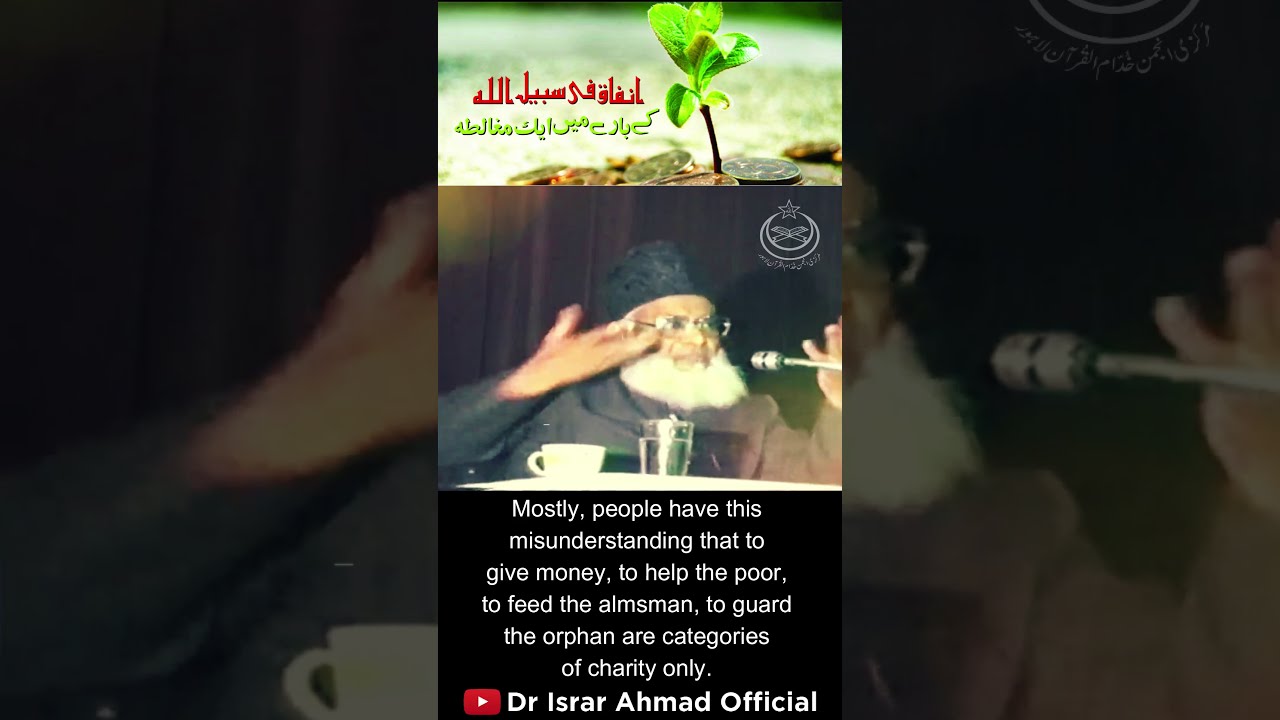
The term ‘Infaq’ in the Quran differs from general charity. It’s not limited to helping the poor, orphans, or the needy. Infaq specifically refers to spending in the way of Allah – for the propagation, elevation, and establishment of the religion. This spending, considered a loan to Allah, fuels the struggle for Islam's dominance. Supporting relatives is a personal obligation, while investing in the religion is a direct loan to Allah, a debt He Himself acknowledges. This concept distinguishes between familial support and investment in faith.
89
