شلوار کوتاه

The speaker asserts that religious morality built upon a foundation lacking inherent ethical character is inherently weak and ineffective. He illustrates this with the example of a local businessman known as Haji Blackia, a wealthy sugar distributor known for his outward religious observance (leading prayers, having a long beard) but lacking genuine moral principles. The speaker argues that superficial religious practice without inner integrity is meaningless and ultimately futile. True religious morality must be rooted in solid ethical character.

63
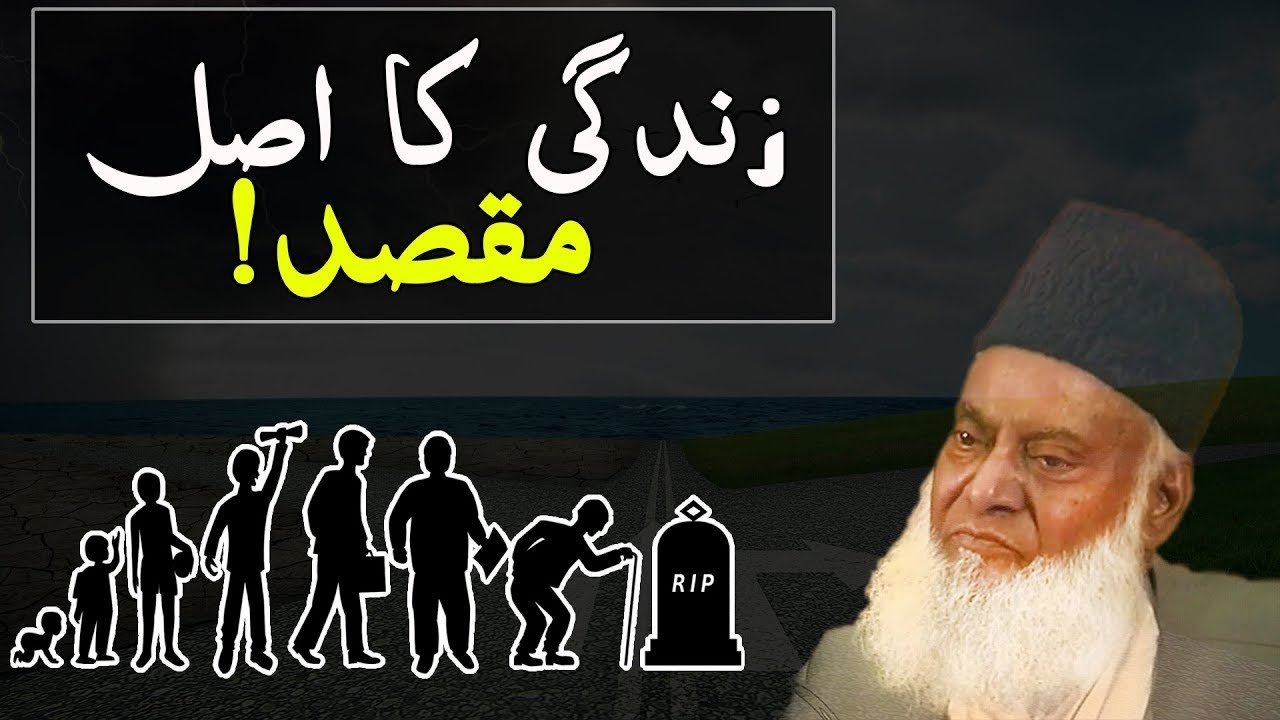
The speaker discusses the sacrifices people make for misguided ideologies, contrasting them with the dedication needed from capable individuals to strengthen religious work. He highlights the importance of educated and well-off youth devoting themselves to faith, questioning how progress can be achieved without their contribution. The lecture emphasizes that dedication to religion shouldn’t be a last resort for those lacking other opportunities, but a conscious choice made by those with the means and ability to contribute meaningfully.
70
The text emphasizes that true life resides in the afterlife, not the material world. It critiques a materialistic focus, stating that people are lost in the pursuit of worldly possessions, mistakenly believing they are achieving something substantial. This pursuit leads to being lost in matter and consumed by materialism, exhausting all efforts within a limited scope. The core message is a rejection of prioritizing worldly gain over spiritual fulfillment and preparation for the afterlife.
45
This lecture clarifies that the ultimate abode, the Hereafter, is reserved for those who abstain from seeking power, dominance, or creating corruption in the world. It emphasizes that this eternal reward is specifically for the righteous – those who prioritize piety and refrain from worldly ambitions. The final outcome and ultimate success are assuredly for the God-conscious, and Allah has exclusively designated its blessings, joys, and comforts for His devout servants.
55
The Prophet Muhammad (peace be upon him) was asked about the most excellent form of *jihad*. He responded that the greatest *jihad* is the struggle against one’s own base desires (*nafs*) in obedience to God. This involves suppressing harmful inclinations, humbling oneself before God, and striving for spiritual purification. This internal struggle is superior to fighting in the path of God.
250
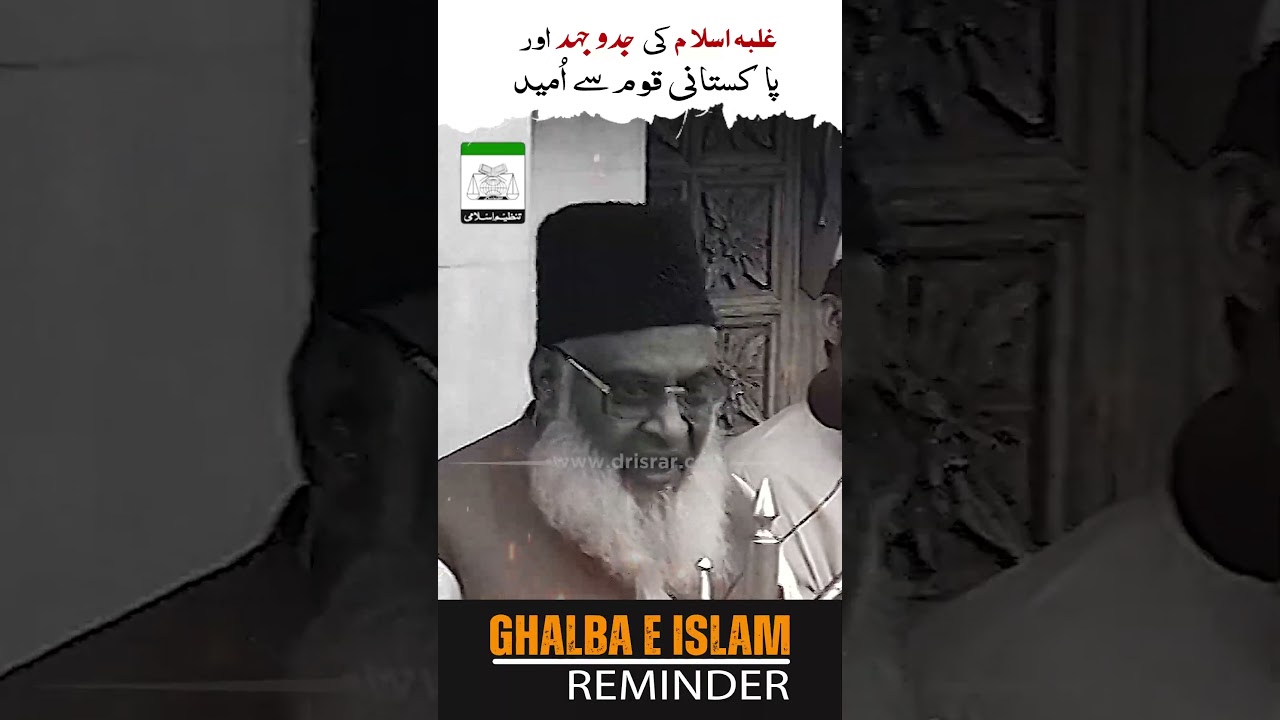
The speaker expresses a belief in Pakistan's destined role in the revival of Islam, despite current disillusionment with religious leadership and societal apathy. He anticipates a period of national upheaval that will ultimately cleanse existing problems and ignite a dormant spiritual fervor. This transformation will position Pakistan as a cradle of Islam and a launching pad for the global resurgence of Islamic values and principles. The speaker emphasizes that despite present difficulties, a powerful spiritual awakening is imminent.
38
