Shorts
The lecture clarifies the meanings of Al-Hayy (The Ever-Living) and Al-Qayyum (The Sustainer). While 'Hayy' describes life applicable to all beings, 'Al-Hayy' specifically denotes Allah. Similarly, 'Qayyum' signifies one who establishes and maintains, but 'Al-Qayyum' is exclusive to Allah. Attributing 'Al-Qayyum' to anyone else is inappropriate. The discussion explains how using 'Abd Al-Hayy' and 'Abd Al-Qayyum' is acceptable as it acknowledges servitude to the Divine, while simply ‘Hayy’ or ‘Qayyum’ used as a name implies a claim of divine attribute.

52
This lecture emphasizes the fulfillment of promises made to Muslims – establishing righteous governance, enabling the practice of their faith, and achieving ultimate peace. It highlights the deficiency of worship in the absence of a system governed by divine law, warning against societal disobedience and the consequences of rejecting Allah’s guidance. The speaker stresses the importance of courage, collective action, and unwavering faith in pursuing the establishment of a just and divinely ordained order. It cautions against compromising on principles and adhering to systems of injustice, emphasizing that true worship is only complete when the entire life is submitted to Allah’s will. The lecture concludes by urging believers to step forward with courage and establish Allah’s dominion.
58
Dr. Israr Ahmad discusses the comprehensive nature of Prophet Muhammad’s personality, highlighting his multifaceted roles as a ruler, leader, judge, husband, father, and spiritual guide. He contrasts this with the limitations of modern religious leaders who often struggle to fulfill even basic duties like leading five daily prayers consistently. The lecture emphasizes that the Prophet Muhammad embodied all these roles flawlessly, serving as a complete example for believers. The speaker points out a disconnect in modern religious practice, where individuals dedicated to self-purification often avoid leading congregational prayers.
54
True piety and attaining spiritual elevation require sacrificing cherished possessions for the sake of others. Mere scholastic achievement—be it as a scholar, ascetic, jurist, or interpreter—is insufficient without genuine selflessness and dedication to virtuous deeds. Spiritual progress is impossible without practical demonstration of faith through giving and compassion. Achieving the station of *birr* demands a commitment that surpasses intellectual understanding and manifests in tangible acts of kindness and generosity. The lecture emphasizes that superficial religious observance lacks merit without a sincere transformation of the heart and a commitment to giving from what one loves.
50
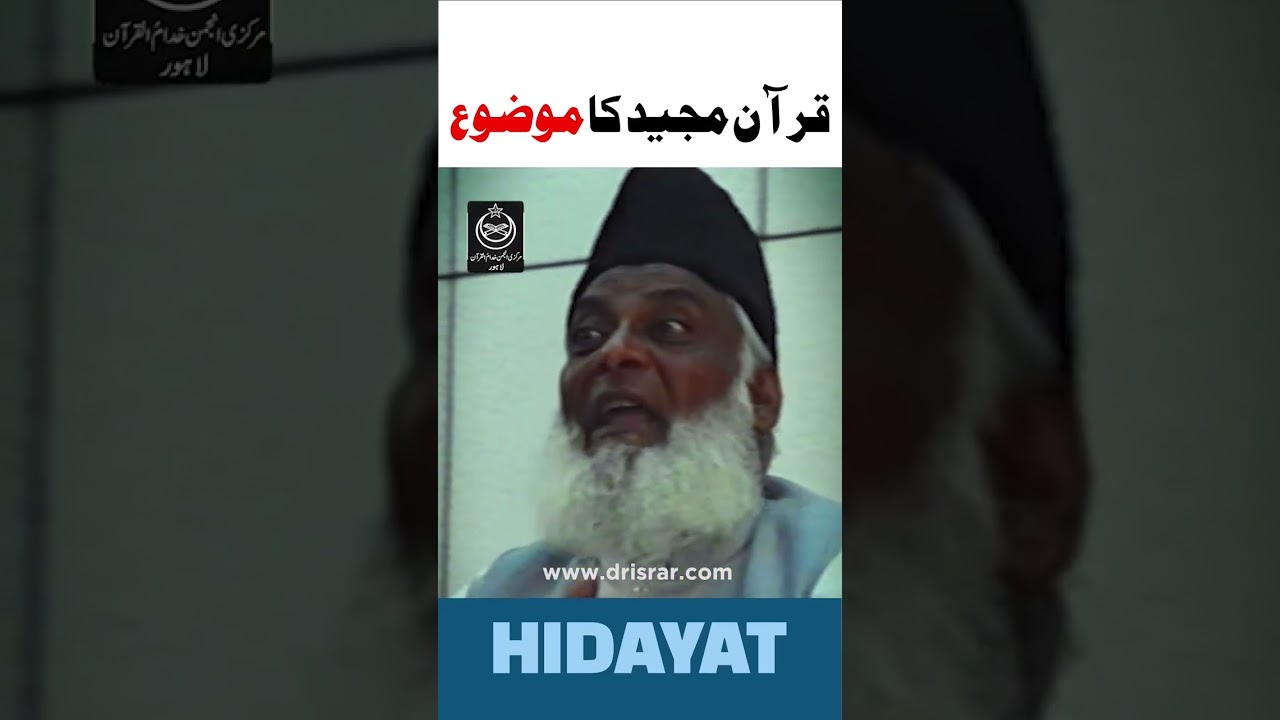
The Quran provides guidance on two primary levels: intellectual and practical. It addresses fundamental philosophical questions concerning the nature of existence, life, truth, and morality—exploring concepts such as the universe, the meaning of life, knowledge, right and wrong, good and evil. Simultaneously, the Quran offers a comprehensive system of practical directives governing individual and collective life, encompassing religious obligations, ethical guidelines, economic principles, and social norms. This dual approach provides both intellectual understanding and actionable guidance for humanity.
52
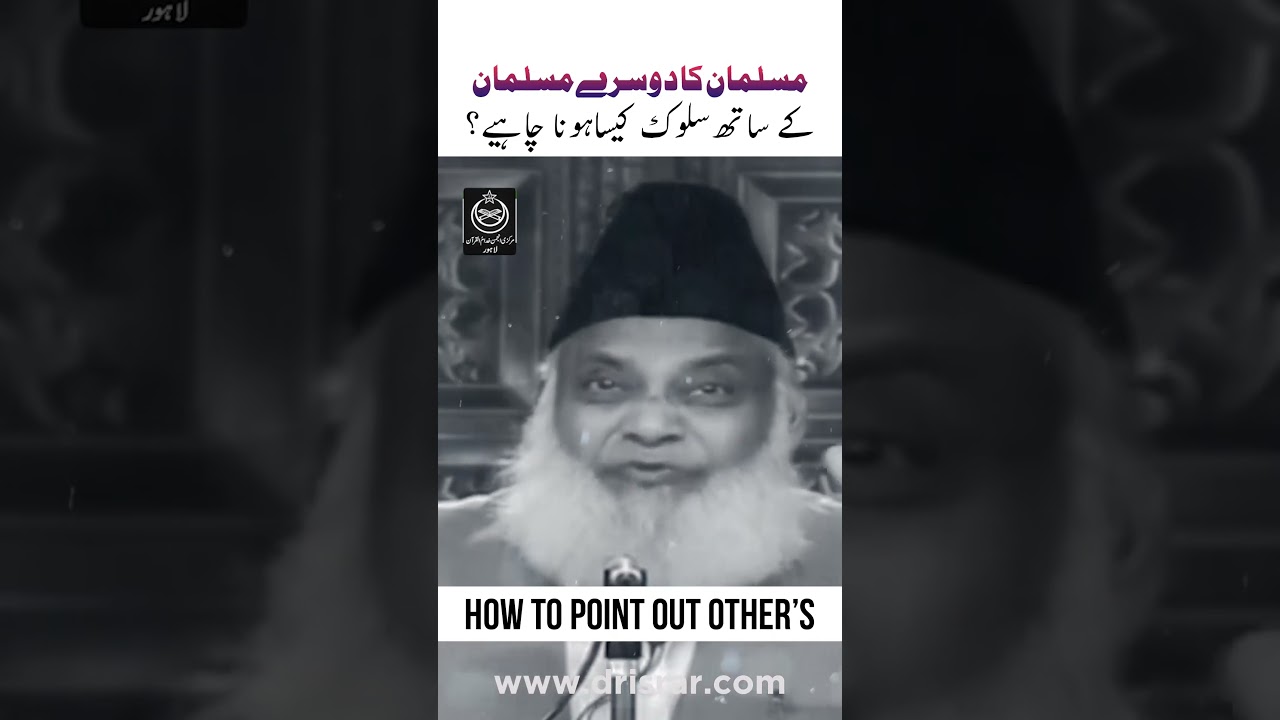
This lecture explains the hadith stating that Muslims should be mirrors to one another. This means Muslims should respectfully and compassionately point out each other’s flaws, not to demean, but to facilitate self-improvement. This guidance emphasizes delivering constructive criticism with kindness, sincerity, and a genuine desire for the other’s betterment. The focus is on offering advice from a place of goodwill, devoid of arrogance or self-righteousness, and with a spirit of empathy and heartfelt concern.
57
