מִכְנָסַיִים קְצָרִים
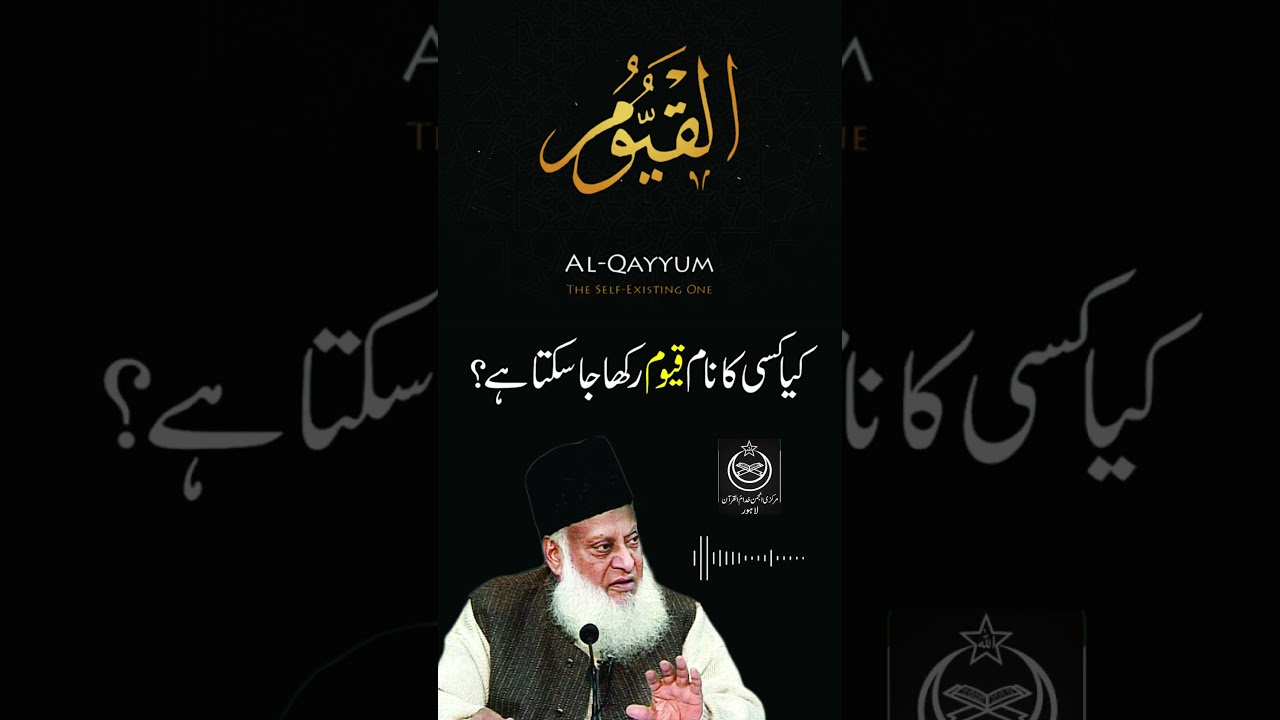
The lecture clarifies the meanings of Al-Hayy (The Ever-Living) and Al-Qayyum (The Sustainer). While 'Hayy' describes life applicable to all beings, 'Al-Hayy' specifically denotes Allah. Similarly, 'Qayyum' signifies one who establishes and maintains, but 'Al-Qayyum' is exclusive to Allah. Attributing 'Al-Qayyum' to anyone else is inappropriate. The discussion explains how using 'Abd Al-Hayy' and 'Abd Al-Qayyum' is acceptable as it acknowledges servitude to the Divine, while simply ‘Hayy’ or ‘Qayyum’ used as a name implies a claim of divine attribute.

52

This lecture emphasizes that success and overcoming challenges are only possible with the support of a divine force. It addresses the reasons for national decline and the imposition of external policies, asserting that true independence requires alignment with a higher power. The speaker warns against allowing external entities like the IMF and World Bank to dictate national fate, highlighting the need for policies rooted in faith and divine guidance. Without divine support, the nation risks continued subjugation and the loss of control over its own destiny.
88

To achieve any goal, one must control their base instincts and desires. Without self-discipline, life is reduced to a mere animalistic existence. A true human is defined by purpose, striving, hard work, sacrifice, and enduring hardship. Those who live without a defined purpose simply have life pass them by, falling below even the level of animals. The Quran, in Surah A'raf, compares such individuals to livestock, and even worse, as animals are created for a specific purpose, while these individuals squander their human potential.
72
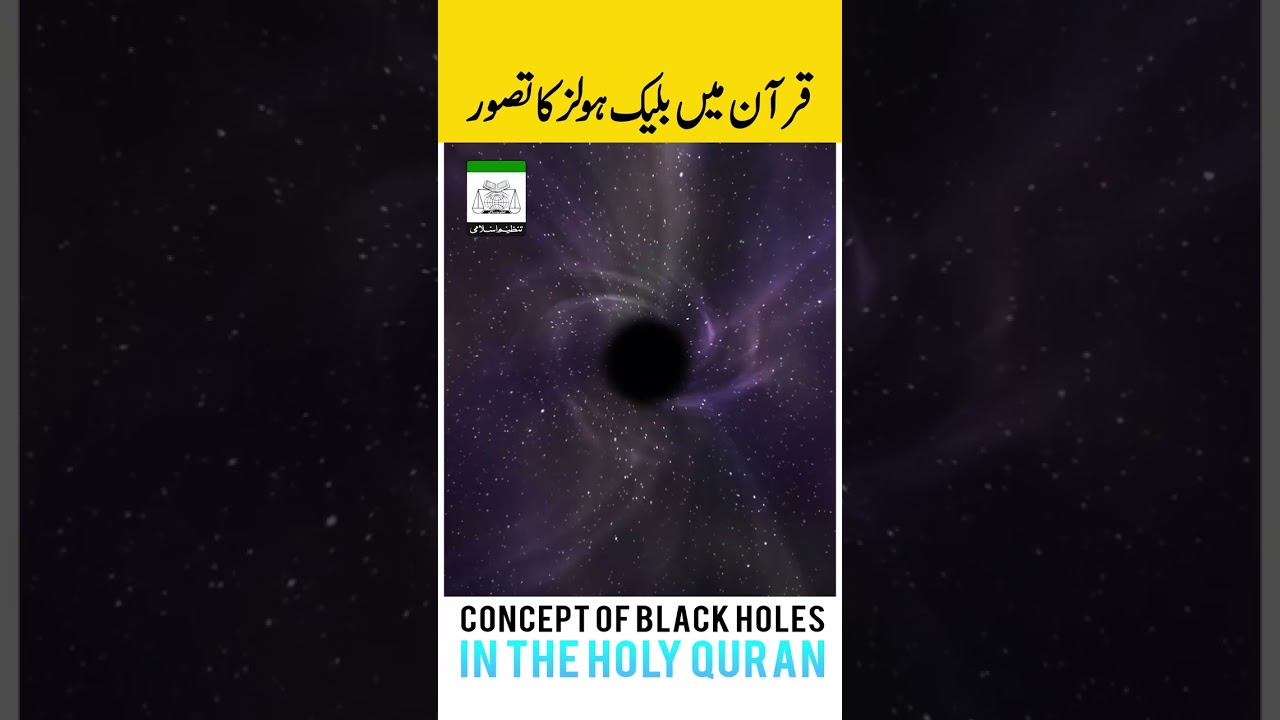
This lecture explores the astronomical significance of stars and galaxies, specifically addressing their eventual decline and disappearance. It posits that the setting of stars isn't merely a physical event but a profound cosmic process. The passage highlights the vastness of space and the eventual fate of even massive galaxies, suggesting a cyclical pattern of creation and destruction. It emphasizes the immensity of the universe and the eventual disappearance of galaxies, not just stars. This is a deep exploration of cosmic phenomena and their philosophical implications.
72

The verse from Surah Ma'idah highlights Satan’s primary tactic: sowing discord and animosity between people. This disruption extends to fracturing familial and marital bonds, leading to the disintegration of entire social structures. A hadith recounts Satan praising a demon for successfully creating strife between a husband and wife, recognizing its devastating impact on the family unit and, consequently, society. The creation of enmity and discord is presented as Satan's most effective weapon against humanity and its social cohesion.
72

This lecture explains the process of self-purification (Tazkiya-e-Nafs) using the analogy of a gardener tending to a garden. Just as weeds hinder the growth of plants by consuming vital nutrients and water, negative traits and obstacles impede human spiritual development. The gardener actively removes these impediments to allow the desired plants to flourish. Similarly, Tazkiya involves identifying and eliminating the internal barriers that prevent true growth and realizing one’s potential. This process is essential for achieving genuine spiritual progress.
85
