Celana pendek
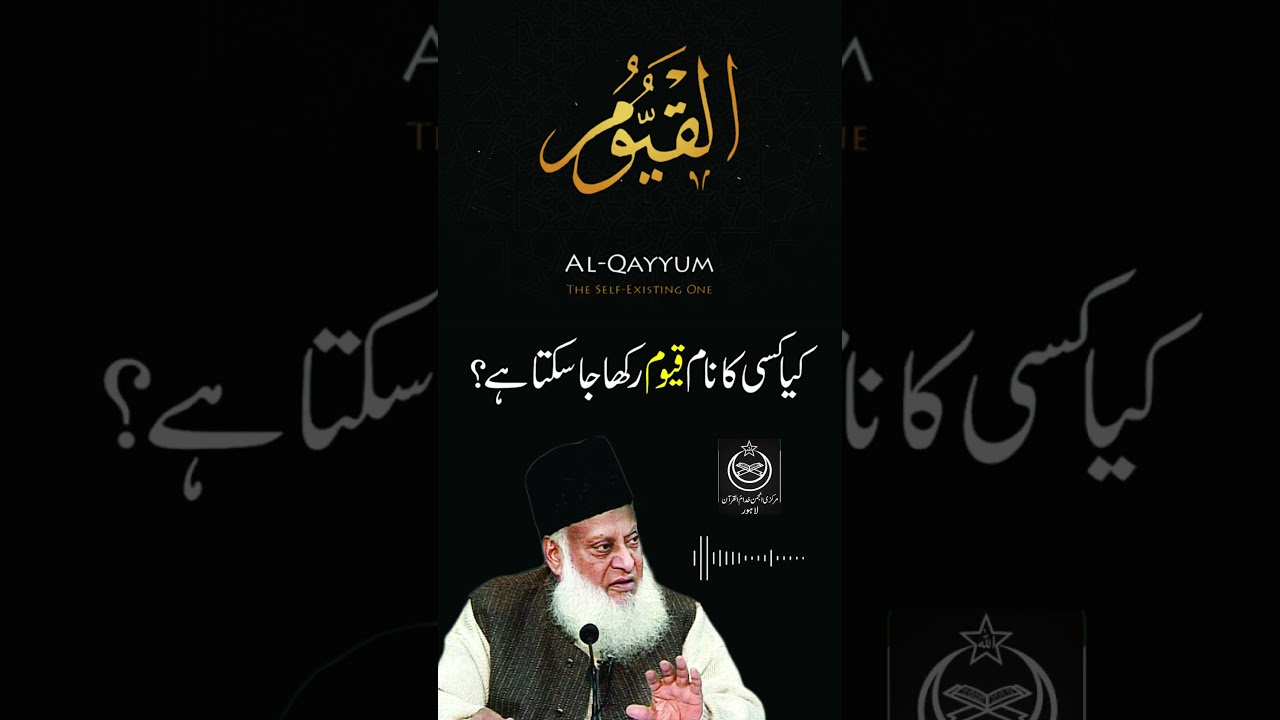
The lecture clarifies the meanings of Al-Hayy (The Ever-Living) and Al-Qayyum (The Sustainer). While 'Hayy' describes life applicable to all beings, 'Al-Hayy' specifically denotes Allah. Similarly, 'Qayyum' signifies one who establishes and maintains, but 'Al-Qayyum' is exclusive to Allah. Attributing 'Al-Qayyum' to anyone else is inappropriate. The discussion explains how using 'Abd Al-Hayy' and 'Abd Al-Qayyum' is acceptable as it acknowledges servitude to the Divine, while simply ‘Hayy’ or ‘Qayyum’ used as a name implies a claim of divine attribute.

52
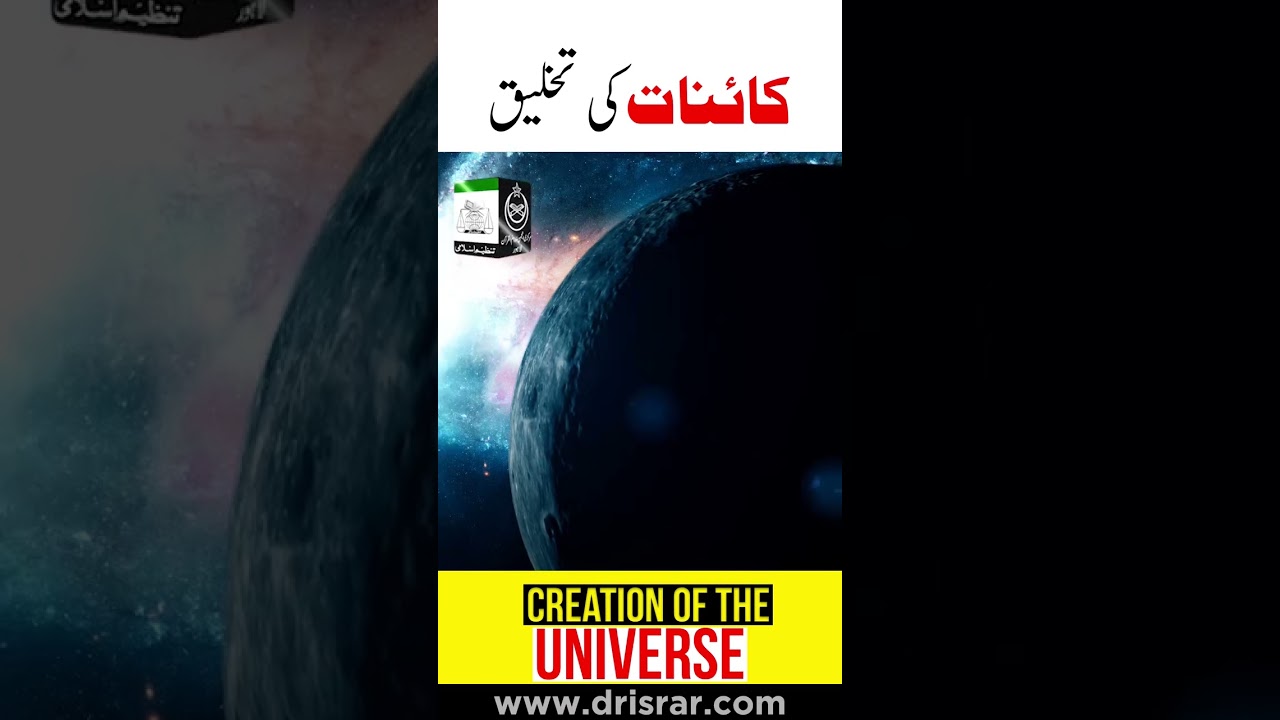
Historically, the prevailing scientific understanding, rooted in Newtonian physics, posited an eternal and indestructible universe. However, modern physics has established that the universe had a definite beginning, known as the Big Bang. This event, occurring billions of years ago, marked the creation of the universe from an extremely dense and hot state. This represents a fundamental shift in cosmological understanding.
65
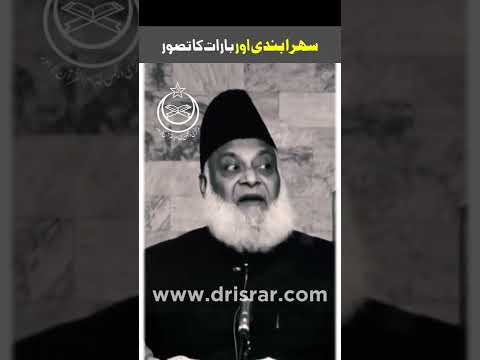
Dr. Israr Ahmad explains that the practice of *barat* (wedding processions) has no basis in Islamic scripture. He details its origins in pre-Islamic, specifically Hindu, customs. Historically, *barats* originated as armed escorts to transport the bride and her dowry safely between villages, protecting against bandits. These processions evolved into extravagant, multi-day celebrations involving feasting and displays of wealth. Dr. Ahmad asserts that this entire practice is foreign to Islamic teachings and represents a cultural import, not a religious obligation. The custom’s roots lie entirely outside Islam.
60

This lecture addresses the principles of justice and impartiality when resolving disputes, particularly between Muslims and non-Muslims. It emphasizes that judgments must be based on equity and truth, regardless of religious affiliation. The speaker cautions against allowing personal biases or animosity towards any group to influence judicial decisions. True justice, it is argued, is achieved through adherence to divine guidance and righteousness, ensuring fairness for all involved. The lecture stresses the importance of maintaining impartiality even when one party belongs to one’s own faith or community, and warns against letting enmity sway judgements.
76
This lecture clarifies that sustenance, despite all effort—farming, labor, protection of harvest, and processing—is fundamentally a blessing from Allah. It emphasizes that while humans exert effort, the actual provision is divine grace, differing from merit-based reward. True reward (qasab) applies to actions judged by morality; good or evil. Sustenance, however, is a gift given without expectation of deserving it, highlighting its status as a divine blessing.
61
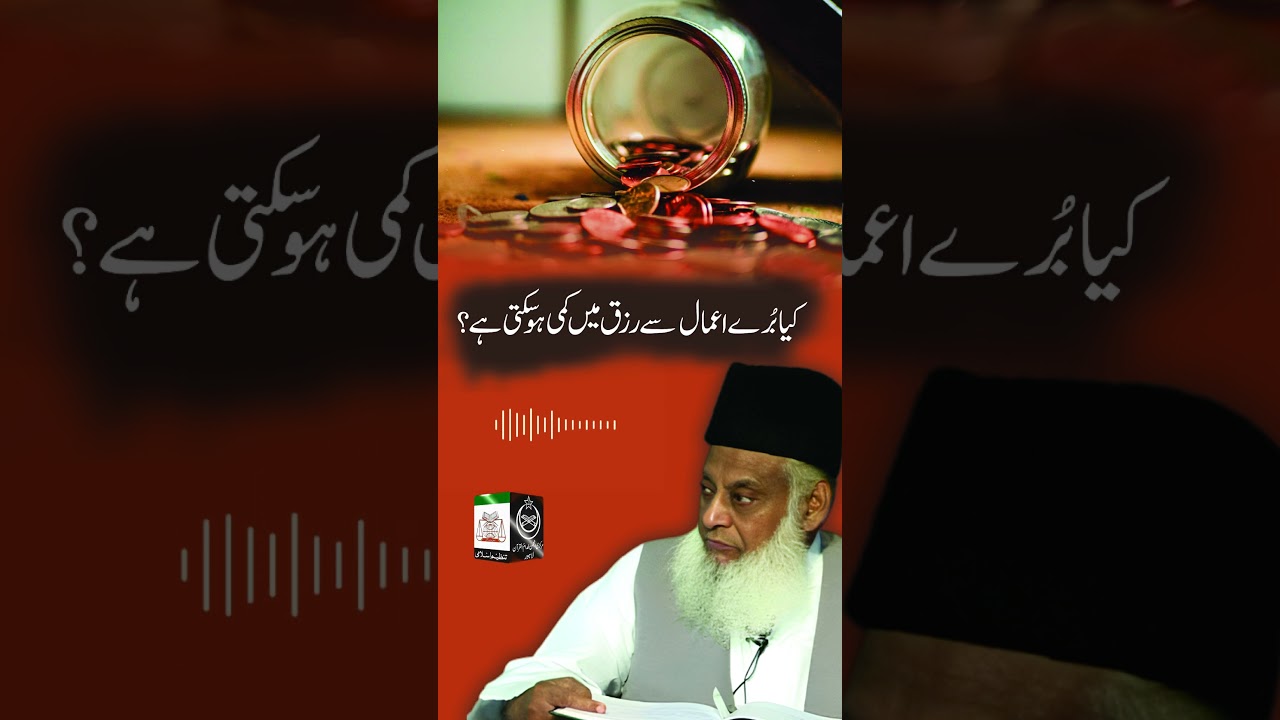
This lecture explores the interplay between divine decree (taqdeer) and the efficacy of prayer (dua). It clarifies that while Allah has knowledge of all outcomes, sincere supplication can influence events within the bounds of His will. The discussion addresses whether good deeds and prayers can increase blessings or mitigate difficulties ordained by Allah. It also explains the concepts of fixed and suspended decree, and how human actions, both righteous and otherwise, impact one's sustenance and blessings. Finally, it highlights that increased blessings can also manifest as greater barakah (divine blessing) within existing provisions, stemming from contentment and divine grace.
36
