מִכְנָסַיִים קְצָרִים
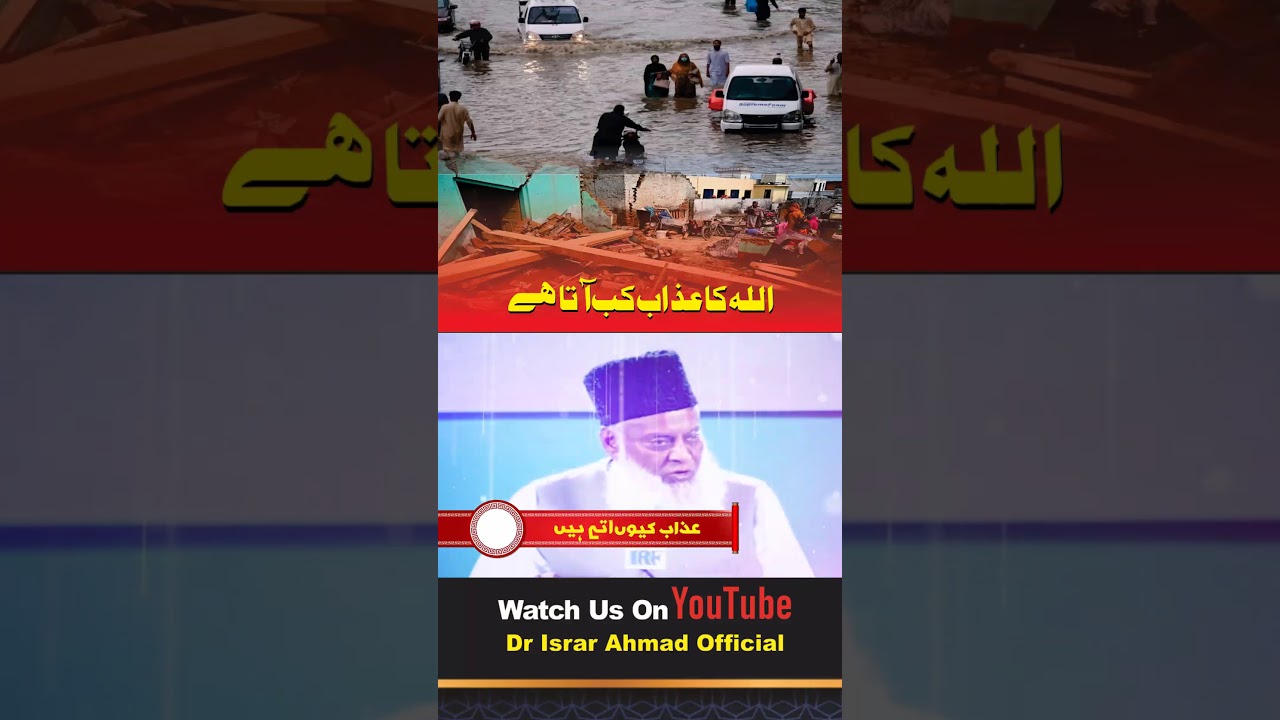
A nation possessing divine scripture and law, claiming to follow the messenger of God, becomes God’s representative on Earth. However, if its actions contradict this claim, it becomes worse than non-believers and invites divine punishment. The lecture emphasizes that merely professing faith is insufficient; practical adherence to divine principles is crucial for fulfilling the role of a representative nation and avoiding God’s wrath. This highlights the profound responsibility borne by a nation claiming religious affiliation.

242

The speaker clarifies a common misinterpretation of the phrase “fear God.” He argues that the original meaning is not fear of a terrifying entity, but rather a fear of disobeying Allah and failing to meet His expectations. This fear is akin to a dutiful son’s concern about disappointing his father. True reverence for Allah involves avoiding actions that would displease Him and fulfilling the hopes He has for His creation. The speaker emphasizes Allah's attributes of mercy and love, contrasting them with the notion of a fearsome God. This fear should motivate obedience and a striving to please Allah, not a paralyzing dread.
84
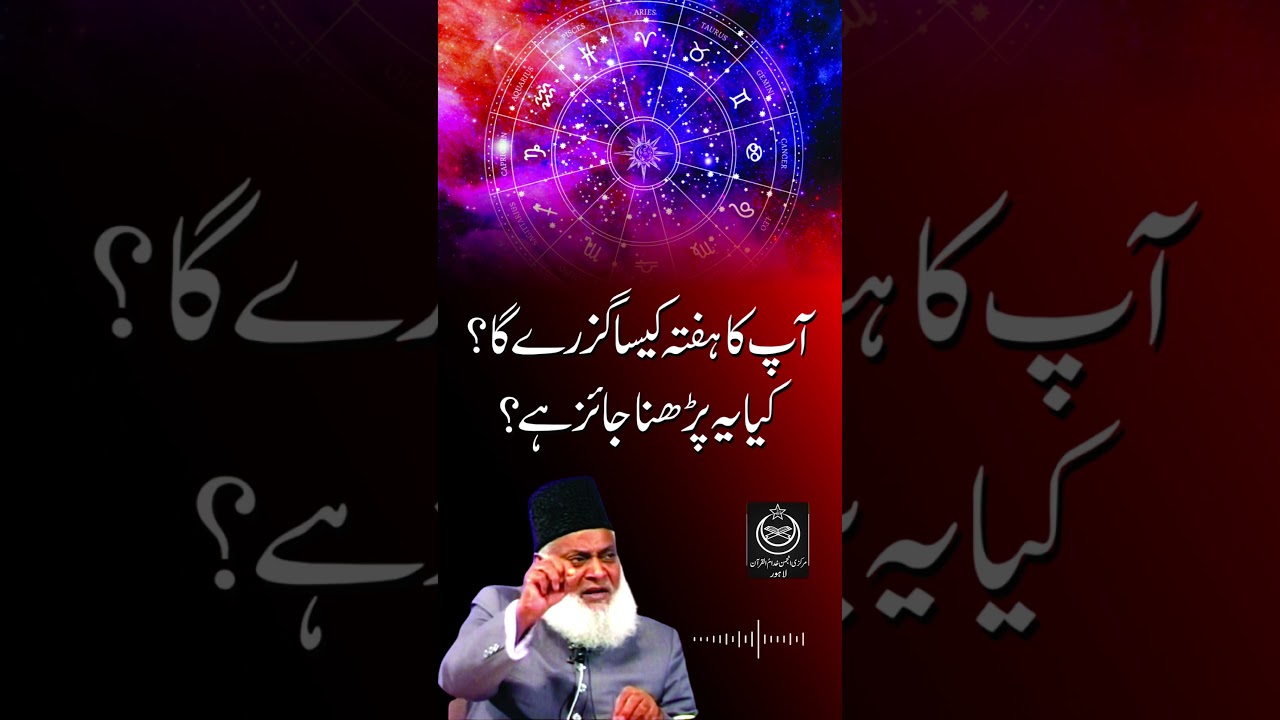
Dr. Israr Ahmad discusses whether reading newspapers or believing in astrological predictions constitutes a sin. He argues that engaging in frivolous activities is undesirable, and time should be dedicated to beneficial and righteous deeds. The lecture centers on the importance of safeguarding one’s time and utilizing it for constructive purposes, rejecting activities that distract from spiritual growth and meaningful work. Belief in astrology is explicitly identified as sinful.
63

This lecture emphasizes the importance of self-assessment and maximizing one’s potential. It asserts that individuals often underestimate their capabilities and fail to fully utilize their inherent talents. The speaker stresses that true potential cannot be determined without diligent effort and self-exploration. Responsibility for unrealized potential lies with the individual. While humans readily exert themselves for worldly pursuits, they frequently lack the same dedication to spiritual growth, resulting in a decline in faith. Genuine progress requires relentless effort and honesty with oneself; self-deception yields no benefit. The lecture calls for greater dedication to spiritual development than is given to material gains.
54

Hajj involves performing specific rituals at designated locations. Pilgrims travel to Mecca, perform Tawaf around the Kaaba, and depart for Mina on the 8th or 9th of Dhulhijjah. They spend a night in Mina before proceeding to Arafat. The stay in Arafat is until sunset, after which pilgrims depart to Muzdalifah to offer the Maghrib and Isha prayers combined. All Hajj rituals are tied to specific places and times, requiring adherence to these conditions for proper completion.
75

Those close to God experience no fear or grief. Fear stems from what God wills, and even seemingly undesirable events contain hidden benefits. The Quran highlights that what we dislike may be good, and what we desire may be harmful, as God’s knowledge surpasses our own. We perceive only the outward appearance of actions and events, unaware of the divine intention and wisdom behind them. Our vision is limited; we cannot comprehend the ultimate purpose of God. Therefore, we are easily affected by superficial occurrences. True understanding lies in recognizing God’s overarching plan, which remains beyond our immediate perception.
55
