Quần short
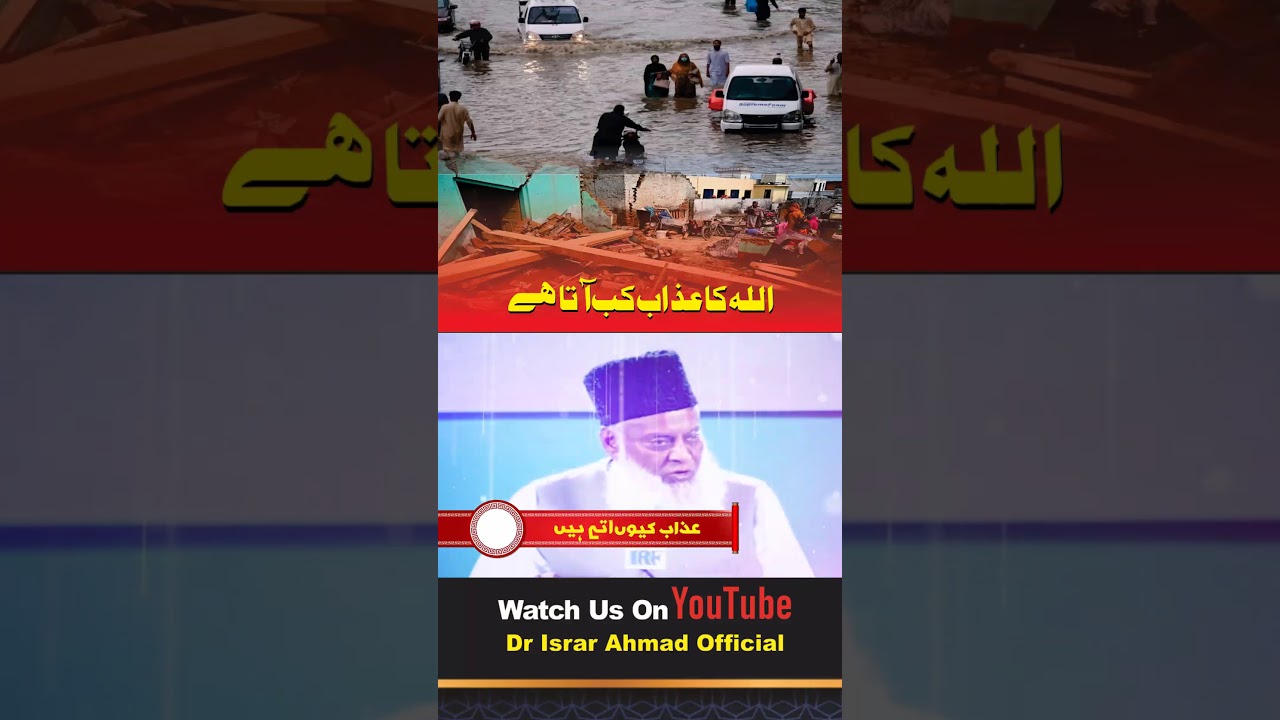
A nation possessing divine scripture and law, claiming to follow the messenger of God, becomes God’s representative on Earth. However, if its actions contradict this claim, it becomes worse than non-believers and invites divine punishment. The lecture emphasizes that merely professing faith is insufficient; practical adherence to divine principles is crucial for fulfilling the role of a representative nation and avoiding God’s wrath. This highlights the profound responsibility borne by a nation claiming religious affiliation.

242
This lecture discusses the concept of *Ilm-e-Ladunni*, or divine knowledge, distinguishing it from knowledge acquired through conventional education. It emphasizes that this knowledge is a direct bestowal from God, implanted in the heart without formal learning or scholarly effort. The speaker clarifies that while traditional fields like theology, geography, history, and Arabic language studies are valuable, *Ilm-e-Ladunni* represents a unique and exceptional form of understanding granted by divine grace. This knowledge is not attained through hardship or academic pursuit, but is a special blessing from God.
84
Dr. Israr Ahmad discusses the remarkable correspondence between the Quran and modern scientific discoveries, specifically in the field of embryology. He recounts the story of a French surgeon, Maurice Bucaille, who, after being treated by King Faisal of Saudi Arabia, was presented with the Quran. Bucaille learned Arabic, studied the Quran, and ultimately wrote a book confirming that no scientific fact within the Quran had been proven false. He acknowledged that science may not yet have fully understood all of the Quran’s truths, but that no established scientific principle contradicts its teachings.
56
Humans are born equal, possessing inherent dignity regardless of race, ethnicity, gender, or social status. This equality is a fundamental principle, as highlighted by Allama Iqbal. Differences in status arise from acquired qualities like knowledge and piety, not from birth. True honor stems from devotion to God and righteous conduct, not from inherited characteristics. The Quran emphasizes that superiority is based on *taqwa* (piety), not on arbitrary distinctions like race or lineage. This concept rejects all forms of discrimination and promotes a society based on justice and merit.
67
This excerpt details a poignant scene from the Battle of Uhud. Following intense fighting and significant casualties, a water carrier arrives to offer relief to the wounded. The narrative focuses on the selfless prioritization of others, even in extreme pain and distress. Multiple injured soldiers call out for water, but the carrier is repeatedly directed to serve those more critically wounded. The story culminates in the tragic passing of the water carrier himself, highlighting the immense sacrifice and the fragility of life during battle. It underscores themes of compassion, selflessness, and the acceptance of fate in the face of mortality.
58
The core concept of *La Ilaha Illallah* is the absolute Oneness of God. It signifies that there is no deity worthy of worship except Allah. This declaration demands complete devotion and the recognition of Allah as the sole object of love, desire, and worship. True *Tawhid* (Oneness of God) necessitates that all other loves and desires are subordinate to the love of Allah, leaving no independent beloved except Him. The essence of *Tawhid* lies in recognizing Allah as the only true and ultimate beloved, stripping away all other competing affections.
90
