Шорты
A nation possessing divine scripture and law, claiming to follow the messenger of God, becomes God’s representative on Earth. However, if its actions contradict this claim, it becomes worse than non-believers and invites divine punishment. The lecture emphasizes that merely professing faith is insufficient; practical adherence to divine principles is crucial for fulfilling the role of a representative nation and avoiding God’s wrath. This highlights the profound responsibility borne by a nation claiming religious affiliation.

242
This lecture explores the limits of human understanding regarding the unseen world (Ghaib) and the afterlife. It emphasizes that certain aspects of these realms, such as the exact nature of punishment or what occurs after death, are beyond our complete comprehension. The speaker stresses the importance of accepting what has been revealed in the Quran and Sunnah regarding these matters through faith, rather than attempting to delve into details that are intentionally concealed. The lecture clarifies that belief in the unseen is a condition for benefiting from the guidance of the Quran, and highlights the experience of the deceased hearing the sounds of those departing after burial, as mentioned in Hadith. True understanding will only be revealed in the afterlife.
54
The Quran describes a day of immense hardship, 'Yaum-e-Farar,' where individuals will prioritize self-preservation above all else. On this day, familial and societal bonds will dissolve as people flee from loved ones—siblings, parents, spouses, and children—driven by intense fear and a desperate desire for personal salvation. The text highlights the complete breakdown of relationships and the overwhelming self-interest that will characterize this day of reckoning, where individuals will solely focus on escaping divine punishment.
96
The Quran is not a book for academic study in isolation. Its true meaning reveals itself only through practical application of its teachings—both individually and collectively. The verses descended during a period of active struggle, and understanding them requires embracing that same dynamic spirit. The Quran possessed by those actively striving for good differs from the Quran understood by those who have become stagnant. The Quran’s content is not merely words on a page, but a living force that inspires action and prevents complacency. It’s a manual for revolution, demanding both personal righteousness and societal transformation. The Quran in the hands of a dynamic individual is different than one held by someone inert; it compels movement and evokes emotion.
137
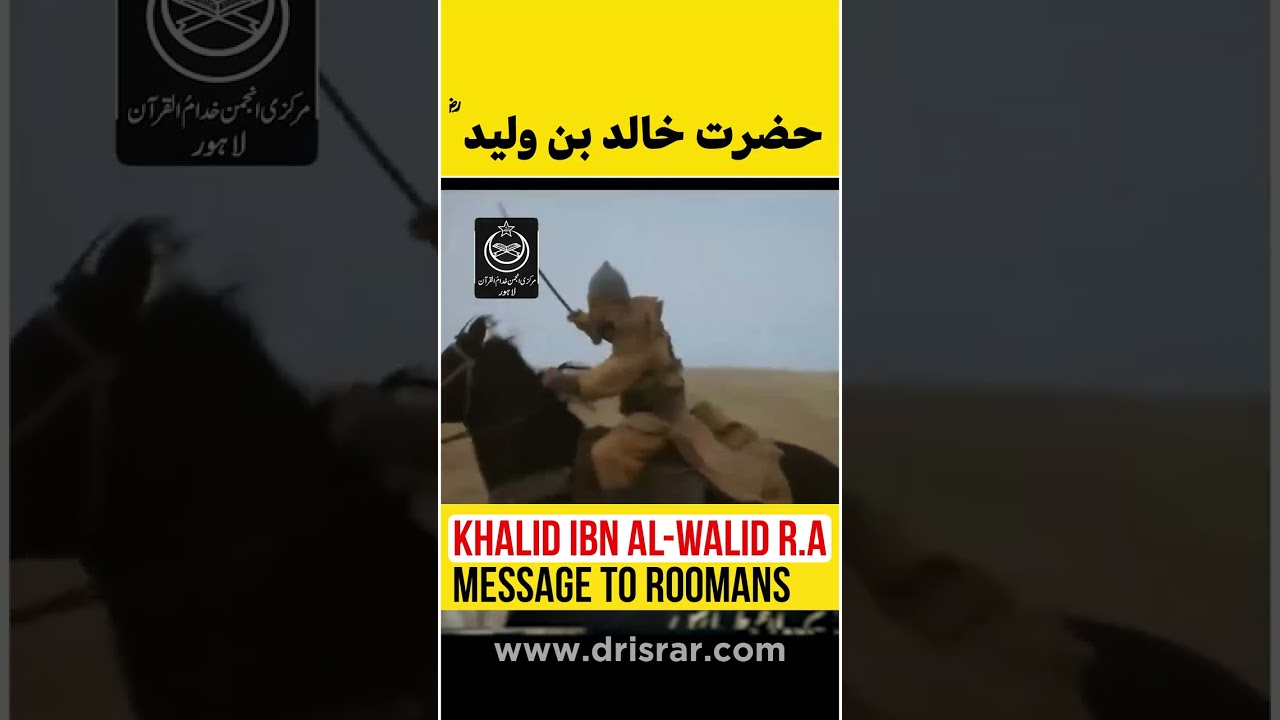
The unstoppable surge following the Prophet Muhammad's mission could not be contained by any earthly power. Neither Persian swords nor Roman legions could halt its advance. Hazrat Khalid bin Walid declared to the Romans that their numbers and weaponry were irrelevant; they faced a people who embraced death as eagerly as others cherished life. This nation’s strength stemmed from a desire for martyrdom, not worldly possessions or kingdoms. No force could defeat a people motivated by faith and the promise of eternal reward.
36
This lecture clarifies the position of a prophet (Nabi) in Islam. It distinguishes a prophet from other pious individuals by highlighting the unique role of divine revelation (wahy). A prophet's assignment isn't to enforce belief through threats, but to convey the message due to an inherent natural compulsion. The lecture draws a parallel to a civil servant passing an exam and awaiting appointment, explaining that authority and responsibility come with official designation, similar to how a prophet’s role is defined by divine appointment. The core message is that a prophet is primarily a messenger of God, and his guidance is based on conveying the message, not coercion.
58
