Shorts
This lecture defines *Ankar-e-Munkarat* as opposition to systems of governance not based on divine law. It emphasizes that true commitment to faith requires active resistance – through action, speech, and internal conviction. The speaker argues that a collective, disciplined group is essential for meaningful change, something currently lacking in our approach to establishing divine law. The focus is often limited to personal piety or merely spreading the message, instead of striving for systemic transformation. Efforts should extend beyond individual good deeds and encompass a broader commitment to establishing justice and reforming societal structures.

72
Islamic principles dictate that the financial responsibility for a wedding lies with the groom’s family, not the bride’s. Marriage is a necessity for both men and women, completing each other’s lives. The mahr, or dower, is paid by the groom to the bride, symbolizing his commitment and responsibility. It is not a price for the bride, nor a purchase, but a token of commitment and a recognition of her value. Mahr can be determined in various forms, including goods, services, or the commitment to teach the bride Quran. It represents the man's capability to fulfill his obligations and the woman’s acceptance of this commitment.
86
The failure of these movements stems from a focus on the structure of Islam rather than the core of faith. Islam is a building founded upon the bedrock of *iman* (faith); without a strong foundation of faith, these movements cannot succeed. Furthermore, the methodologies employed were borrowed from flawed ideologies – bureaucracy, communism, socialism, fascism, and guerilla warfare – instead of the prophetic model of Muhammad (peace be upon him). These two errors led to the ultimate failure of these movements.
64
The lecture details Iblis’s (Satan’s) rebellion against God, stemming from his refusal to prostrate before Adam and his declaration to lead humanity astray from the path of Tawhid (Oneness of God). Iblis believes he is superior to Adam, having been granted dominion and knowledge, and vows to challenge the obedience of Adam’s descendants to divine commands. He intends to constantly obstruct people from following the straight path of Tawhid at every step.
62
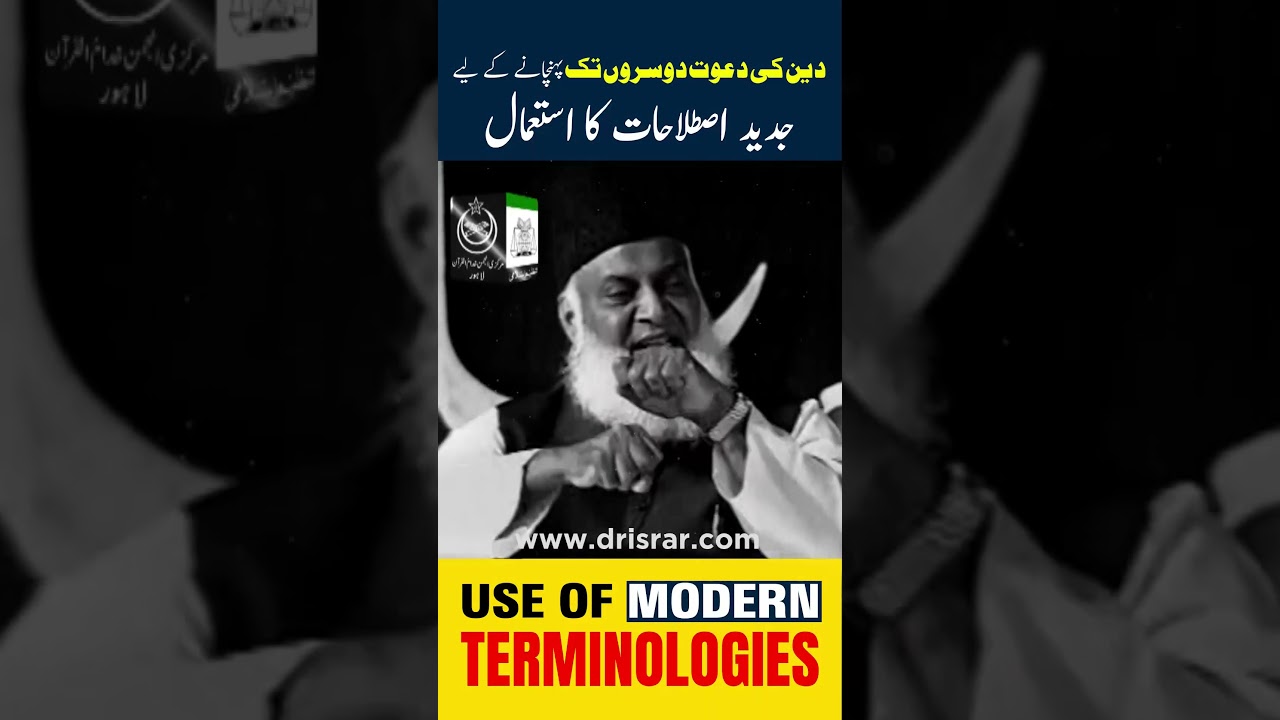
Dr. Israr Ahmad discusses the degree to which adopting modern terminology with Islam is permissible or undesirable. He argues for caution regarding new terms, asserting each carries inherent connotations inseparable from its meaning. However, he acknowledges effective communication requires utilizing contemporary language to reach modern audiences, advocating for a balanced approach – using current terminology for conveyance but avoiding rigid adherence to it.
47
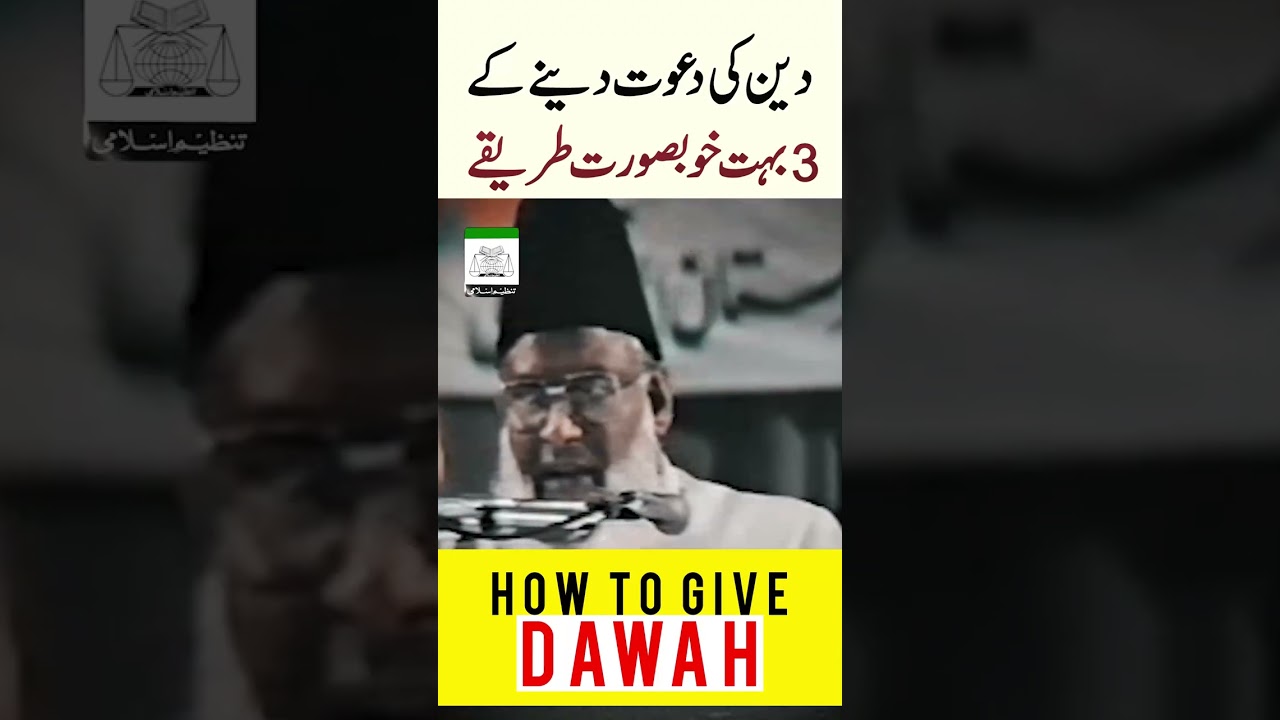
This lecture details three effective methods for conveying the message of faith: wisdom-based argumentation, positive and appealing counsel, and respectful debate. It emphasizes approaching dialogue with intellect, kindness, and a focus on constructive engagement rather than conflict. The core principle is to guide others towards the right path through reasoned discussion and gentle persuasion, avoiding harshness or coercion. It’s a blueprint for effective *dawah* rooted in intellectual honesty and compassionate communication.
81
