מִכְנָסַיִים קְצָרִים
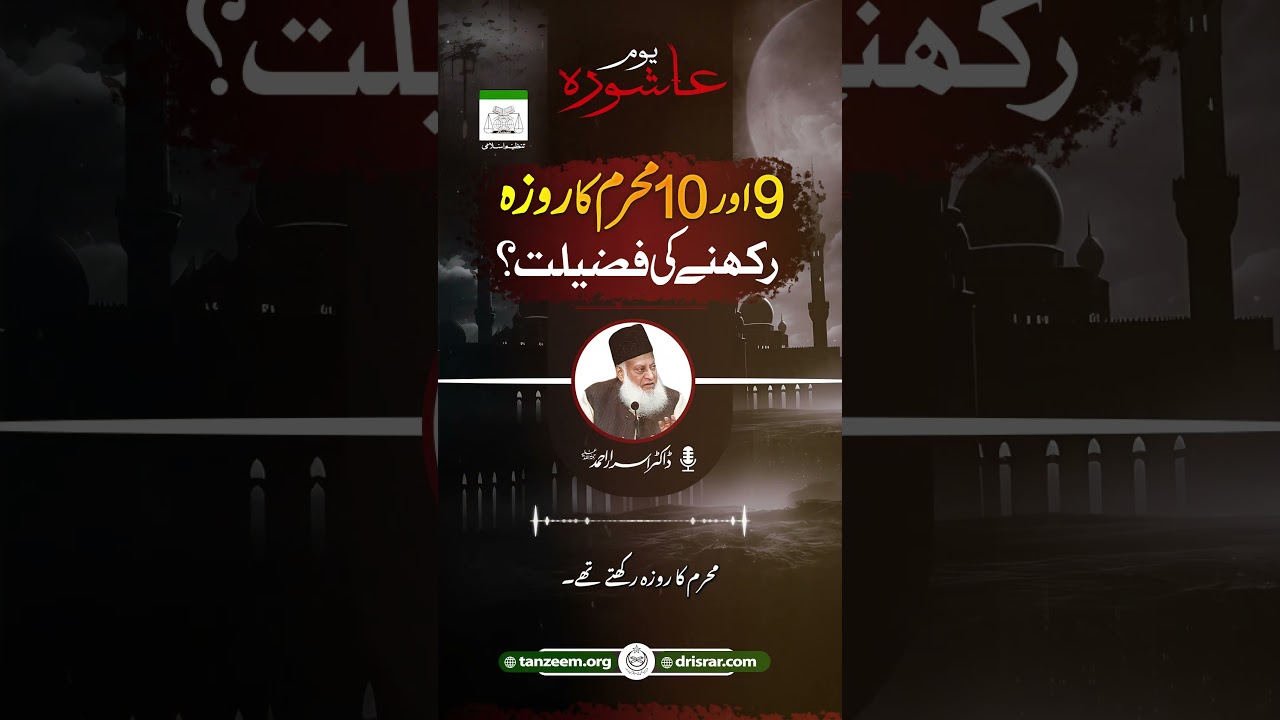
The observance of fasting on the 9th and 10th of Muharram is a recommended practice. It originated from the Prophet Muhammad’s desire to distinguish the Muslims from the Jewish community of Medina, who fasted on the 10th of Muharram commemorating their liberation from Pharaoh. The Prophet, acknowledging a stronger connection to Moses, instructed his companions to fast for two days – the 9th and 10th – instead of one. While not obligatory, this practice holds significance as a voluntary act of worship and a demonstration of the Muslim community's unique identity.

60

Islam’s core principle is the absolute oneness of God (Tauheed). All forms of goodness, righteousness, and guidance stem from this central belief, representing branches, leaves, and blossoms of a blessed tree. Conversely, evil, sin, and error—whether in belief, thought, or action—are rooted in *shirk*—associating partners with God—and represent the branches of a poisonous tree. Every negative element, in any form, ultimately connects back to this fundamental deviation from pure monotheism.
42

The Prophet Muhammad (peace be upon him) stated that a person who sincerely repents for their sins is as if they never committed them. This highlights that faith and sin are not mutually exclusive; believers will inevitably err. However, genuine repentance immediately restores faith. If a believer commits a sin, their faith temporarily diminishes, but repentance returns it to its rightful place in the heart. Failure to repent results in a permanent loss of faith. The lecture emphasizes that various approaches and analogies are used to convey this vital truth.
45
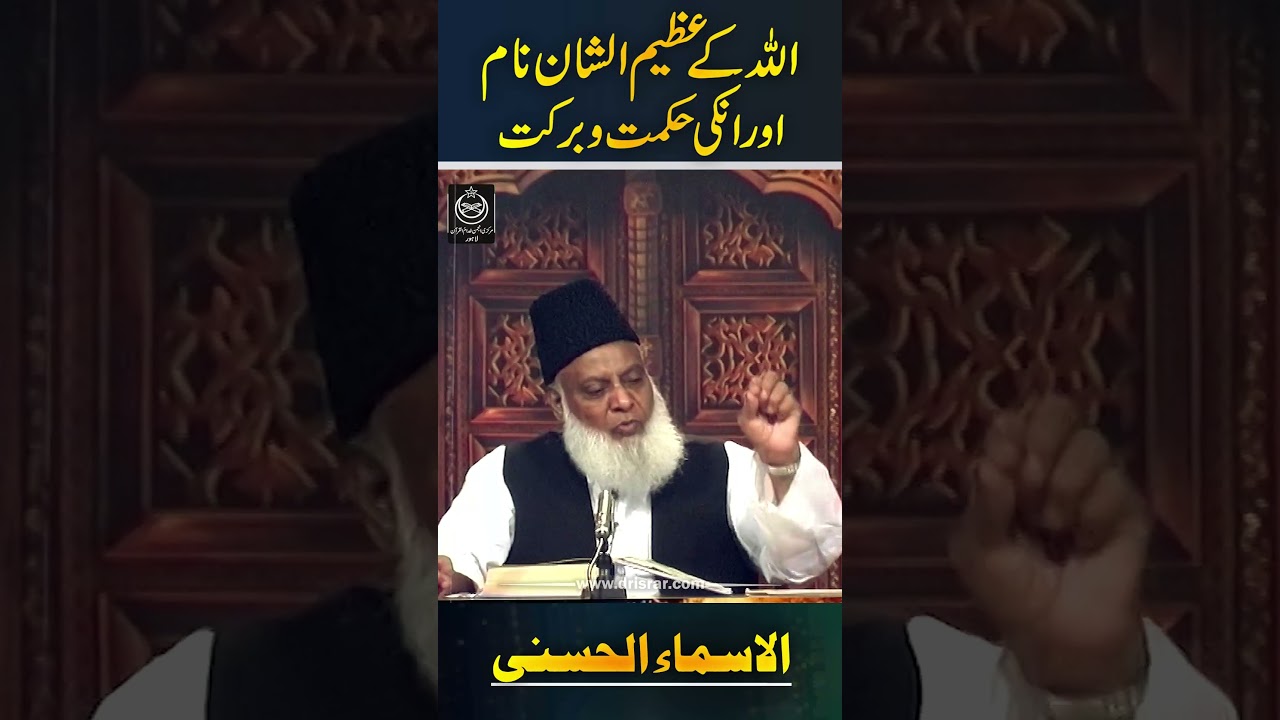
This lecture explores the absolute sovereignty of Allah, contrasting it with earthly kingship where power is often susceptible to corruption. It highlights that Allah’s authority is unchecked by any external force, but is governed by His perfect wisdom. The discussion draws parallels with the story of Pharaoh in Surah Momin, illustrating how even a self-proclaimed god faced limitations due to internal dissent and the inherent flaws of absolute power. The lecture emphasizes that Allah’s absolute authority is balanced not by external checks, but by His complete and perfect wisdom, ensuring just and equitable decisions.
64
The Prophet Muhammad (peace be upon him) relayed a divine tradition: every act of worship benefits the individual, except fasting. Fasting is exclusively for God, and He alone will reward it directly. This emphasizes the unique nature of fasting as an act of devotion solely directed towards God, differing from other acts of worship where benefits are also reaped by the worshipper. It highlights the direct connection between the fasting person and God, and the certainty of divine recompense. The core message focuses on revitalizing the human spirit and strengthening its connection with the Divine.
51
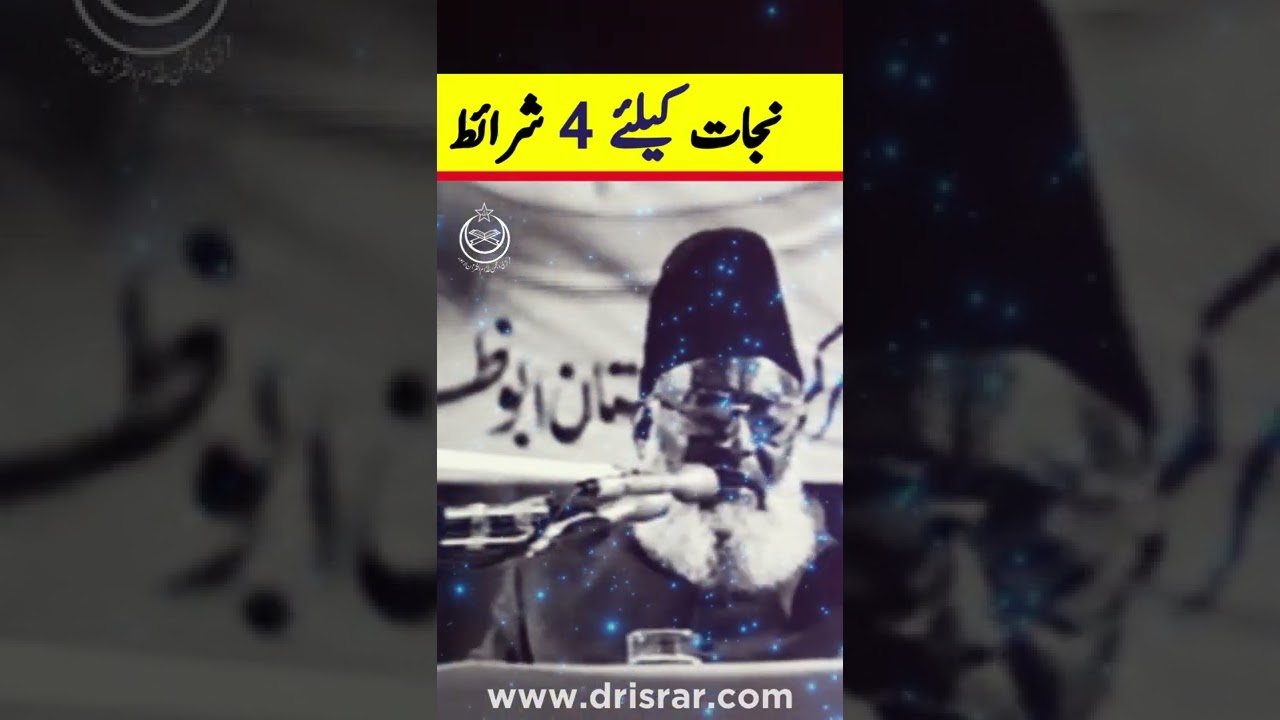
The Quran outlines four essential conditions for salvation: faith, righteous deeds, adherence to truth, and patience. These components form a complete prescription for spiritual well-being. Removing even one element invalidates the prescription, potentially leading to negative consequences instead of healing. Just as a patient cannot alter a doctor’s prescribed medication and expect positive results, one must fully embrace these four conditions to achieve salvation. These four elements constitute a complete prescription from God for spiritual healing and success.
56
