Şort
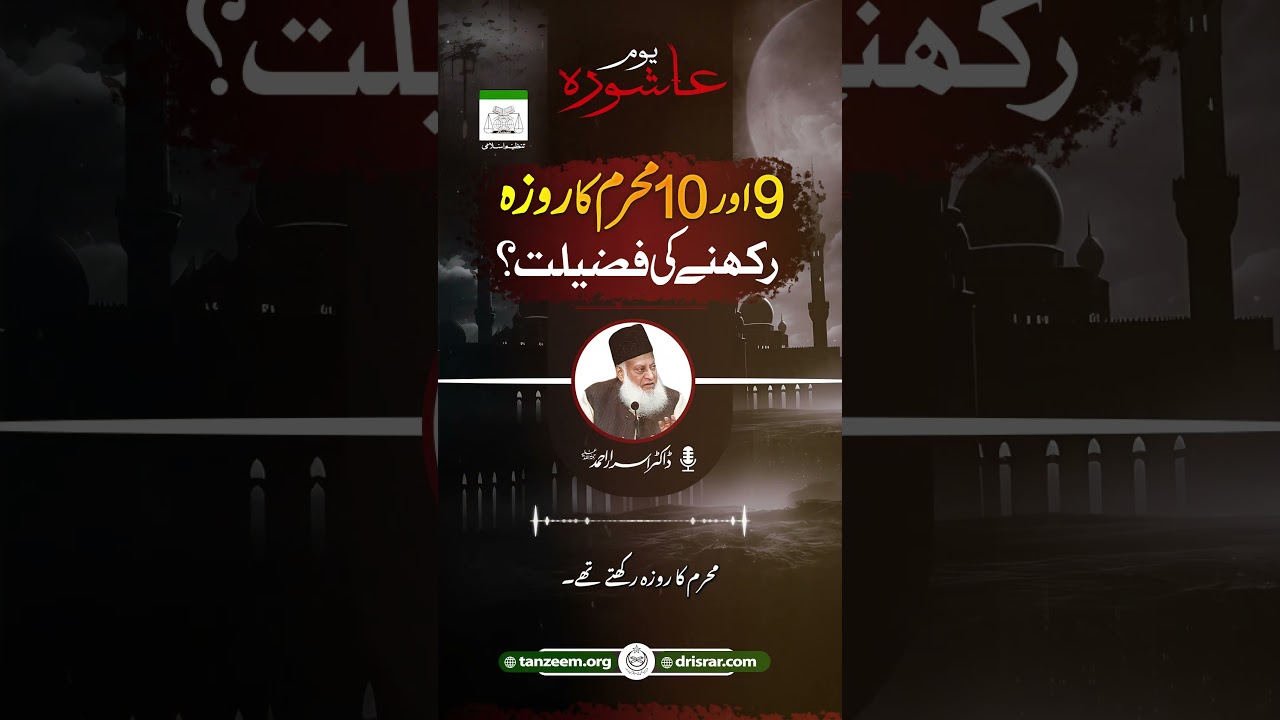
The observance of fasting on the 9th and 10th of Muharram is a recommended practice. It originated from the Prophet Muhammad’s desire to distinguish the Muslims from the Jewish community of Medina, who fasted on the 10th of Muharram commemorating their liberation from Pharaoh. The Prophet, acknowledging a stronger connection to Moses, instructed his companions to fast for two days – the 9th and 10th – instead of one. While not obligatory, this practice holds significance as a voluntary act of worship and a demonstration of the Muslim community's unique identity.

60

This lecture emphasizes the importance of fulfilling one’s duty to God by acknowledging and appreciating His countless blessings. It highlights how humans often remain unaware of the divine provisions sustaining them, using the example of vitamins present in everyday foods. True piety requires complete obedience to God’s commands and a constant awareness of His grace. Recognizing these blessings is essential for a life lived in accordance with divine will, demanding a commitment to acting in alignment with God’s guidance at all times.
68

This lecture emphasizes that voting is an act of entrusting responsibility, akin to appointing a trustworthy advisor. Voters should prioritize competence, integrity, and suitability when selecting representatives at all levels—from local officials to national leaders. The speaker cautions against prioritizing personal connections, nepotism, or self-interest. The selection process must ensure that chosen individuals are truly capable of serving the nation, community, and wider collective, upholding principles of justice and competence in governance. The ultimate goal is to establish an organization built on merit and dedicated to selfless service.
53

Our core belief regarding the Quran is threefold. First, the Quran is the direct word of God. Second, it was revealed to Prophet Muhammad, peace be upon him. Third, it is perfectly preserved, complete and unaltered, with God Himself guaranteeing its protection. These three statements encapsulate our fundamental understanding of the Quran.
51

Dr. Israr Ahmad explains the significance of *suhoor* (pre-dawn meal) in Islam. He highlights that *suhoor* distinguishes Muslim fasting from that of the Jews. Fasting begins at dawn, not sunrise, allowing time for the meal. He cautions against excessive strictness in observing the timing of *suhoor*, referencing the Prophet Muhammad’s emphasis on ease and avoiding unnecessary hardship in religious observance. The practice should be approached with balance and moderation, prioritizing accessibility and avoiding overly rigorous interpretations.
64
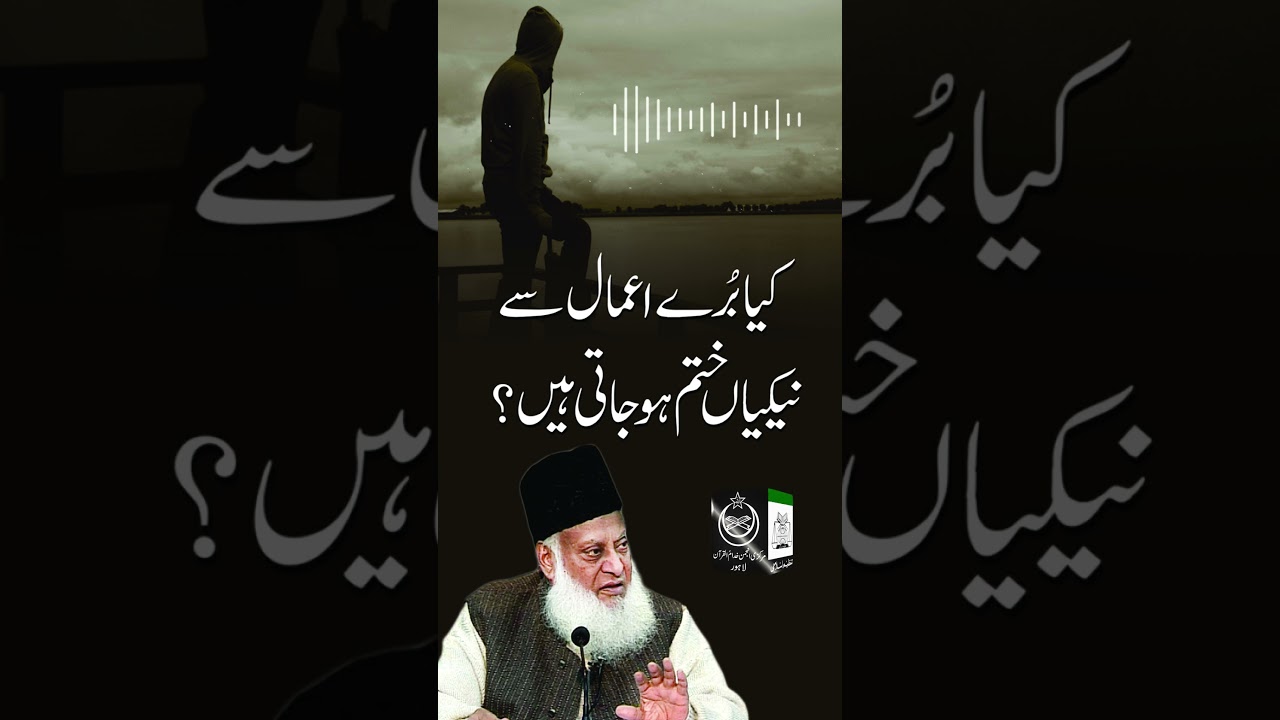
This lecture clarifies whether good deeds remain valid despite the presence of evil actions, or if evil deeds nullify the effect of good deeds. It asserts that evil actions definitively diminish or invalidate the benefits of good deeds, rendering them ineffective. Committing grave sins, such as denying the Quran or the Prophet Muhammad, can completely negate all accumulated good deeds.
63
