شلوار کوتاه
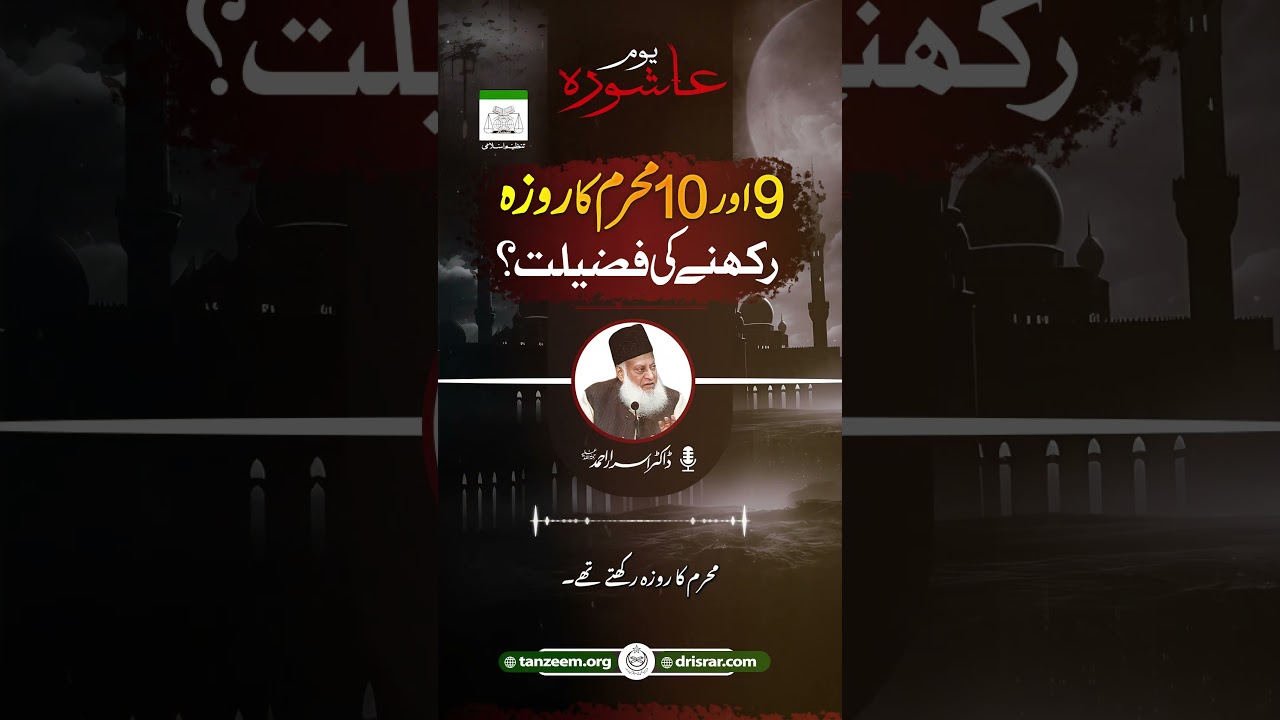
The observance of fasting on the 9th and 10th of Muharram is a recommended practice. It originated from the Prophet Muhammad’s desire to distinguish the Muslims from the Jewish community of Medina, who fasted on the 10th of Muharram commemorating their liberation from Pharaoh. The Prophet, acknowledging a stronger connection to Moses, instructed his companions to fast for two days – the 9th and 10th – instead of one. While not obligatory, this practice holds significance as a voluntary act of worship and a demonstration of the Muslim community's unique identity.

60

The lecture discusses the difference between reciting or listening to the Quran merely for information versus acting upon its teachings. The companions of the Prophet Muhammad (peace be upon him) immediately assessed their ability to fulfill the commands of each verse revealed. When the verse commanding adherence to *taqwa* (God-consciousness) was revealed, they questioned how anyone could fully fulfill God’s right to it. A subsequent verse clarified that individuals should strive to fulfill God’s commands to the best of their ability, recognizing the limitations of human capacity. The core message emphasizes sincere intention and striving within one's means.
62

The greatest act of gratitude is towards one’s parents, a concept emphasized five times in the Quran. Simply *looking* at the Kaaba with reverence is considered an act of worship. Similarly, looking at one’s parents with love and respect is also an act of worship. This act of reverence, even without verbal interaction, holds significant spiritual reward. The Quran highlights the immense importance of honoring and showing affection to parents.
76

This lecture details the profound encounter between Prophet Moses (peace be upon him) and Allah on Mount Tur. Despite direct communication, Moses expresses a desire to behold Allah. Allah responds that direct vision is beyond human capacity, but offers a demonstration through the mountain. When Allah manifests a glimpse of His glory upon the mountain, it is utterly destroyed, and Moses falls unconscious. This event highlights the immense power and majesty of Allah and the limitations of human perception when encountering the Divine.
66

This lecture discusses the inevitability of trials and tribulations in the lives of believers, referencing historical hardships faced by early Muslims, particularly during times of famine and war. It emphasizes that these tests are not punishments, but opportunities to demonstrate patience and faith. The speaker recounts instances of extreme hunger experienced by companions of the Prophet Muhammad (peace be upon him), highlighting their resilience and sharing of limited resources. The core message is that enduring hardship with patience brings divine reward and strengthens one’s connection with God.
59

This lecture emphasizes respectful dialogue with those who hold different beliefs. It advises engaging with others in the best manner, with kindness and understanding, avoiding insults or provoking emotions. The speaker stresses remembering core Islamic principles and gently reminding fellow Muslims of their faith, affirming belief in all divine scriptures and complete submission to God. The focus is on conveying the message with wisdom and compassion, recognizing that individuals are accountable for their actions.
49
