Shorts
This lecture elucidates the severe consequences of animosity towards a pious individual, or *Wali Allah*. It emphasizes that hostility towards a friend of God is equivalent to declaring war against God Himself. The discussion highlights that true spiritual pain arises from causing hurt to those with sensitive hearts, and that hurting a *Wali Allah* brings shame and disgrace upon an entire community. The lecture stresses that genuine love for God is reflected in compassion and care for His devoted servants, and that inflicting pain on them invites divine retribution. The core message is that harming those close to God brings about spiritual and communal ruin.

49
This lecture explores the profound significance of stellar phenomena as described in religious texts. It discusses the locations where stars disappear, emphasizing that the fading of stars represents more than just astronomical events; it symbolizes the disappearance of entire galaxies. The lecture highlights the scale of cosmic events, suggesting that the disappearance of galaxies is a monumental occurrence. It also touches on the concept of lost civilizations and the eventual fate of all things, referencing a great testimony being gradually revealed and a period of waiting associated with these celestial events.
61

This lecture discusses the concept of *shirk-e-khafi* (subtle idolatry), which is more insidious than overt *shirk*. It explains how actions performed to gain the approval of others, even during religious practices like prayer, constitute a form of hidden idolatry. The speaker illustrates this with an example of prolonging prostration in prayer when observed by others, intending to display piety rather than solely seeking God’s pleasure. Recognizing *shirk-e-khafi* is presented as extremely difficult, akin to spotting a black ant on a black stone in the darkness. The lecture emphasizes that this is a matter of the heart and requires careful self-reflection.
88
The presence of photographs within a home prevents angels from entering. This impacts the spiritual well-being of all inhabitants, hindering their worship. While angels of mercy refrain from entering homes displaying images, recording angels remain present. The prohibition stems from a divine disapproval of pictorial representations, serving as an expression of displeasure. The issue is one of religious preference, not a strict legal matter. Displaying pictures is discouraged, but not considered a fatal flaw in faith.
72
The Prophet Muhammad (peace be upon him) once asked his companions about bankruptcy. They defined it as a lack of wealth. The Prophet corrected them, stating the true bankrupt in his nation will be the one who comes with a large number of prayers, fasts, and pilgrimages, but also with the burdens of having wronged others – having insulted someone, unjustly taken their wealth, or falsely accused them. On the Day of Judgment, these wronged individuals will present their claims, depleting the bankrupt’s good deeds. If the deeds are insufficient, their sins will be transferred to them, leading to their destruction in Hell. This is the true meaning of bankruptcy – a spiritual and moral deficiency.
47
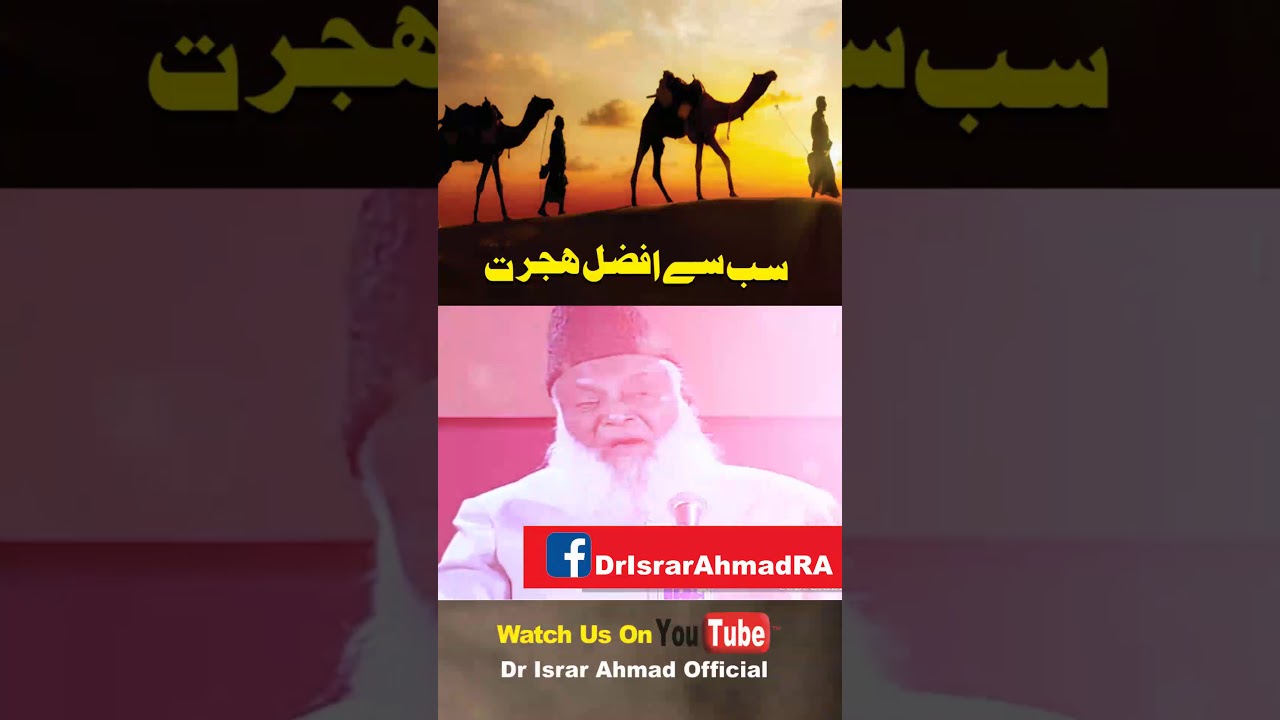
The Prophet Muhammad (peace be upon him) was asked about the most virtuous form of migration. He responded that the most excellent migration is abandoning everything displeasing to God. This necessitates a personal assessment of one’s life and the eradication of actions contrary to the spirit of Islamic law. The lecture emphasizes immediate action, stating that the time for rectifying oneself is now, before it is too late. It's a call for sincere repentance and a commitment to living a life aligned with divine guidance.
230
