ショーツ
This lecture elucidates the severe consequences of animosity towards a pious individual, or *Wali Allah*. It emphasizes that hostility towards a friend of God is equivalent to declaring war against God Himself. The discussion highlights that true spiritual pain arises from causing hurt to those with sensitive hearts, and that hurting a *Wali Allah* brings shame and disgrace upon an entire community. The lecture stresses that genuine love for God is reflected in compassion and care for His devoted servants, and that inflicting pain on them invites divine retribution. The core message is that harming those close to God brings about spiritual and communal ruin.

49

This lecture emphasizes the importance of *taqwa* (fear of God) and its practical application in daily life. It instructs believers to adhere to divine commandments and seek God’s pleasure. The lecture further discusses the concept of *hijrat* (migration) not merely as a physical journey, but as a striving for righteousness, and highlights the rewards promised to those who persevere in faith. It clarifies that reward extends beyond this life, encompassing both worldly benefits and boundless divine grace. The speaker stresses the importance of seeking environments where one can practice faith freely, and the ultimate recompense for those who remain steadfast.
48
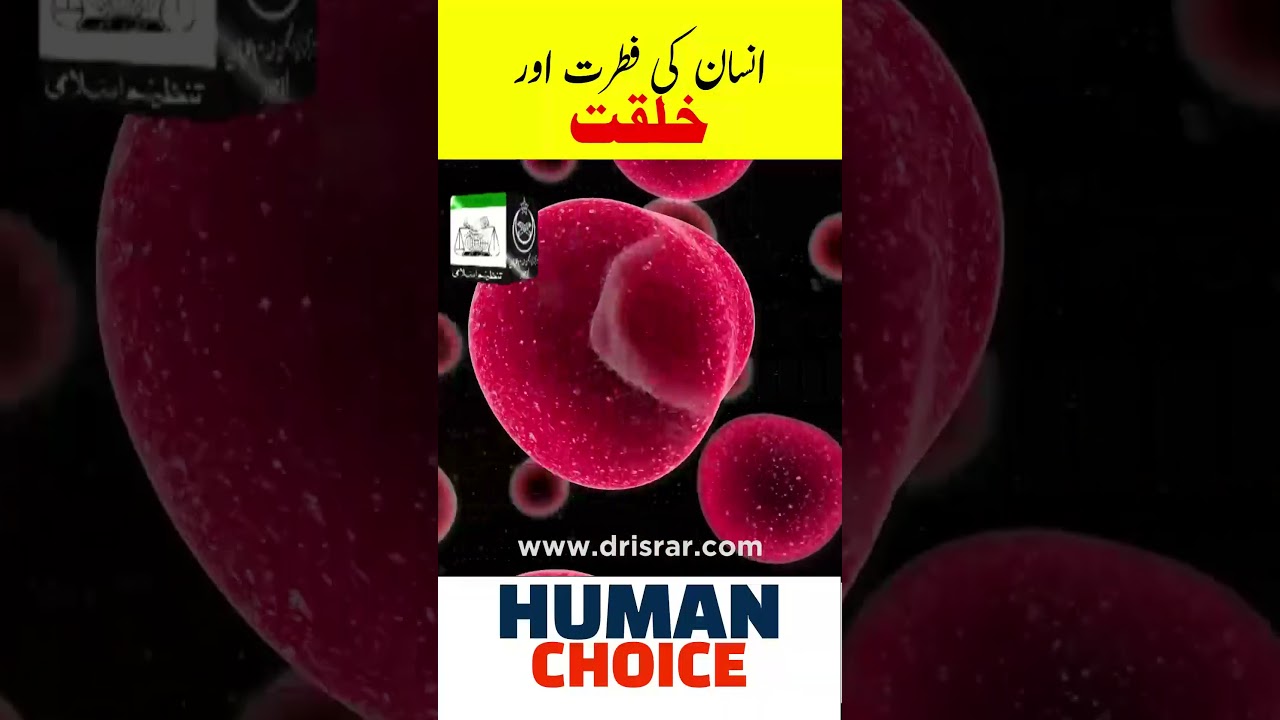
Human life begins with a unique creation, possessing inherent vitality from conception. Even before fertilization, both sperm and ovum exhibit life. All characteristics of life are present in the developing embryo. The embryo is a living organism, not an inanimate object. A crucial stage arrives approximately 120 days after conception. Prior to this, the creation is linked to four specific elements detailed in religious texts. The spirit, or soul, is infused into the embryo after this 120-day period, encompassing and permeating its very being.
48

This lecture explores the historical development and varying scholarly opinions regarding the Taraweeh prayer. It details how the Prophet Muhammad (peace be upon him) practiced Taraweeh, focusing on the practice of eight rak'ats followed by Tahajjud. The discussion highlights the practice established during the Caliphate of Umar ibn al-Khattab, which introduced twenty rak'ats performed immediately after Isha prayer with a single Imam. The lecture clarifies that the four major schools of Sunni Islamic jurisprudence – Hanafi, Maliki, Shafi'i, and Hanbali – concur with the practice established by Umar. It also addresses the differing views of the Ahl-e-Hadith, who maintain the original practice of eight rak'ats. The lecture emphasizes the importance of adhering to the Sunnah of the Prophet and the rightly guided Caliphs, as well as the scholarly consensus on the practice of twenty rak'ats, which is observed in the two holy mosques of Mecca and Medina. The lecture also acknowledges Ahmad ibn Hanbal as a prominent scholar and the importance of his Musnad.
108

During a gathering, a young, frail boy named Ali, approximately ten or eleven years old, with visibly affected eyes, volunteers to accompany the group despite his physical limitations. He acknowledges his youth, thin legs, and impaired vision, yet resolutely offers his support. This act evokes laughter and signifies a shift in perspective, highlighting the power of unwavering commitment even from the most unexpected sources. The speaker then issues a call to action, encouraging everyone to rise and participate.
50

Salvation is contingent upon a combination of four essential elements: faith, righteous deeds, consistently speaking the truth, and patience. Without fulfilling these conditions, one remains in loss. The lecture emphasizes that true success and deliverance are achieved only through the complete adherence to these principles, as outlined in Surah Al-Asr. It stresses that merely believing isn't enough; action, truthfulness, and steadfastness in the face of adversity are equally crucial for attaining salvation and avoiding ultimate loss.
55
