Celana pendek
This lecture elucidates the inherent truth and ultimate triumph of Islam as a complete way of life. It asserts that God sent His Messenger with guidance and truth to establish a just order, ensuring the dominance of divine law over all other systems. The core message emphasizes that the divine system will prevail, overcoming injustice and establishing a righteous world. The lecture highlights the inevitability of God’s plan for the supremacy of truth and justice, ultimately leading to a world governed by divine principles.

60

The unstoppable surge following the Prophet Muhammad's mission could not be contained by any earthly power. Neither Persian swords nor Roman legions could halt its advance. Hazrat Khalid bin Walid declared to the Romans that their numbers and weaponry were irrelevant; they faced a people who embraced death as eagerly as others cherished life. This nation’s strength stemmed from a desire for martyrdom, not worldly possessions or kingdoms. No force could defeat a people motivated by faith and the promise of eternal reward.
34
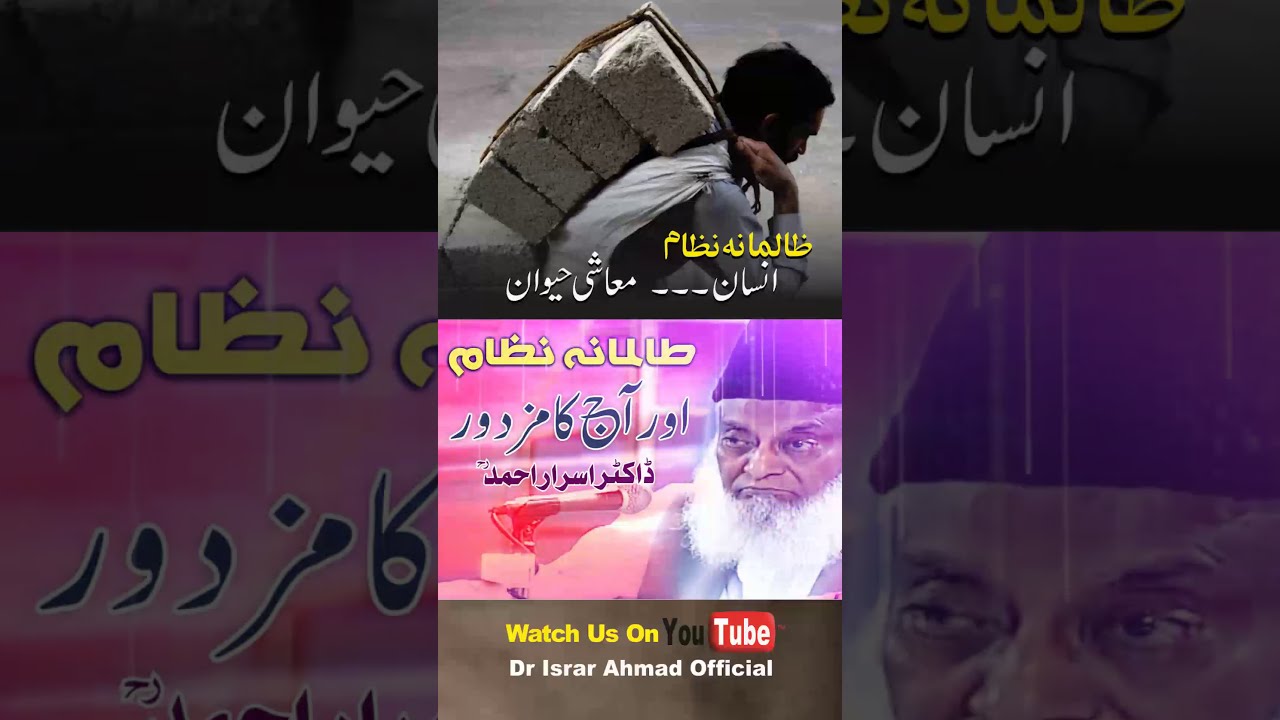
This lecture addresses the plight of the impoverished, highlighting the harsh realities faced by those struggling to meet basic needs. It emphasizes that individuals preoccupied with daily survival – those who cannot consistently secure even two meals a day and labor for ten to twelve hours – are deprived of the capacity for spiritual contemplation. The speaker asserts that systemic poverty degrades humanity, reducing individuals to a bestial existence, akin to livestock. This degradation strips them of their dignity and their ability to connect with the divine.
1,424
Establishing a connection with the Quran fosters mental and intellectual harmony, unifying purpose. A community (Ummah) is defined by a shared objective. Today, the Muslim Ummah exists as a collective striving for a common goal. While the ideal of a unified Muslim Ummah, extending from India to the shores of the Nile, remains a vision, the reality is that a truly cohesive Muslim community does not currently exist. This lecture explores the concept of Ummah, its historical aspirations, and its present fragmented state.
88
The process of self-purification involves internalizing the Quran – understanding it with your intellect, reflecting upon it in your thoughts, and illuminating your heart with its guidance. This inner illumination dispels darkness and washes away impurities, much like leaves falling from trees in autumn. Faith, once established, generates an inner light that permeates the entire being. This requires controlling base instincts, detaching from worldly desires like wealth and power, and purifying one’s character from vices. The Quran is the primary source for achieving this purification.
73
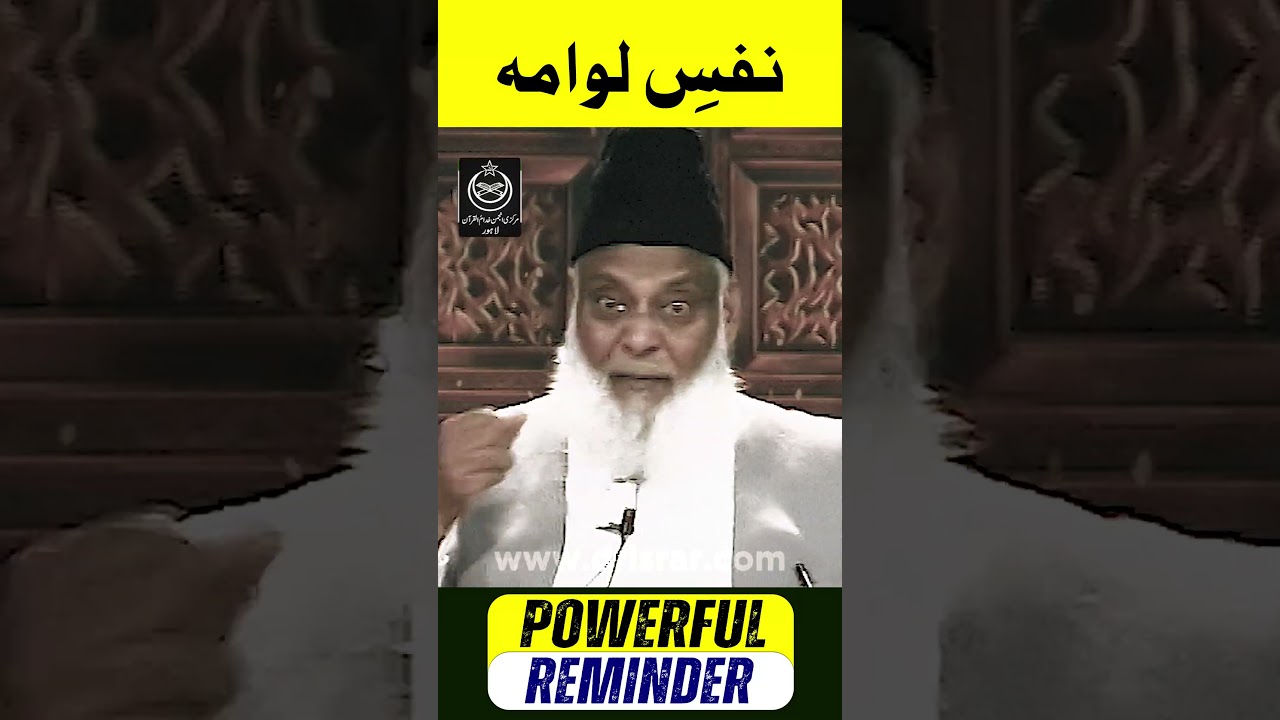
This lecture dissects the phenomenon of self-deception and the inescapable truth of one's own character. It asserts that while individuals may silence external opposition, they cannot escape the internal reckoning of their conscience. The lecture emphasizes that the self-reproaching soul (nafs-e-lawwama) possesses an inherent awareness of an individual's true nature and limitations. Despite rationalizations, excuses, or justifications, the conscience persistently reveals one's authentic self, stripping away facades and exposing underlying realities. This internal assessment remains constant regardless of external presentations.
44
