Şort
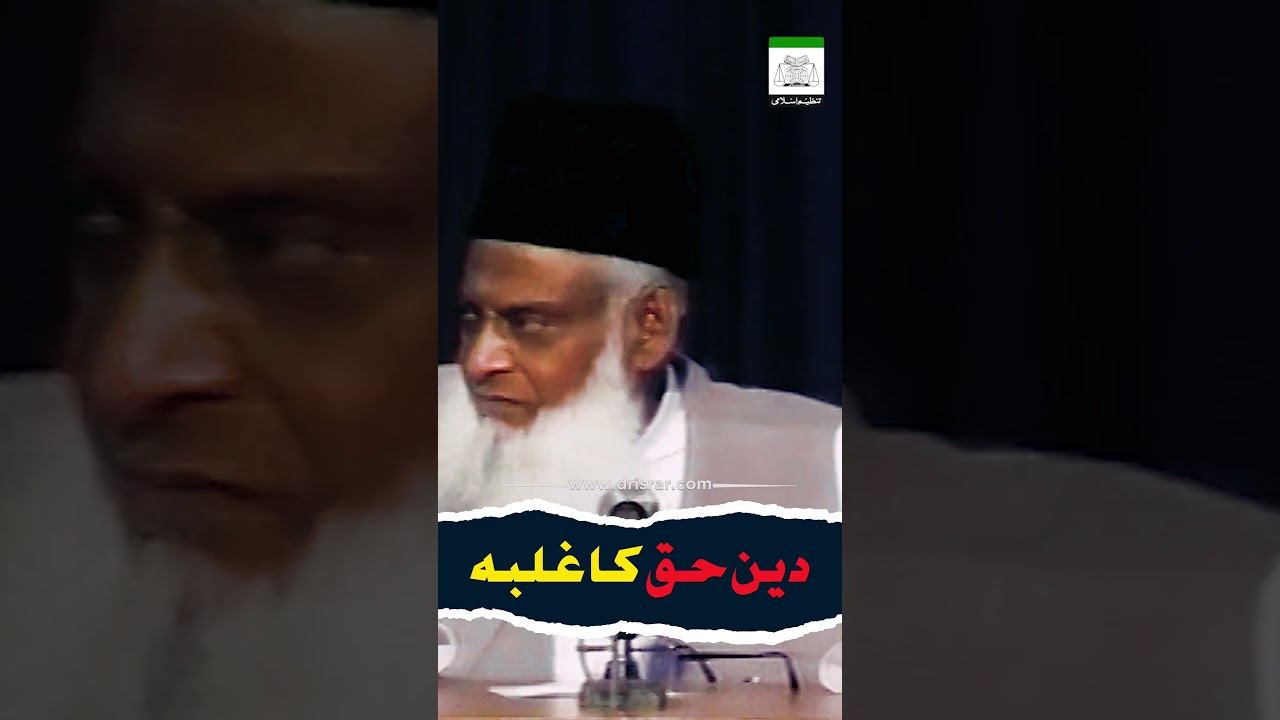
This lecture elucidates the inherent truth and ultimate triumph of Islam as a complete way of life. It asserts that God sent His Messenger with guidance and truth to establish a just order, ensuring the dominance of divine law over all other systems. The core message emphasizes that the divine system will prevail, overcoming injustice and establishing a righteous world. The lecture highlights the inevitability of God’s plan for the supremacy of truth and justice, ultimately leading to a world governed by divine principles.

60

When the Prophet Muhammad arrived in Medina, he observed that the Jewish community fasted on the tenth of Muharram (Ashura), commemorating the day the Israelites were saved from Pharaoh and his army. They explained this was a day of thanksgiving. The Prophet stated that Muslims, as followers of Moses, had a greater right to commemorate this event. He instructed Muslims to fast on both the ninth and tenth of Muharram to distinguish themselves from the Jews, who only fasted on the tenth. This practice marks the beginning of observing days of worship based on the traditions of earlier communities present in Medina.
44

The Quran places significant emphasis on the observance of Salah (prayer) and Zakat (charity), repeatedly outlining their importance. While the verses detailing the complete regulations for fasting are concentrated in Surah Al-Baqarah, references to fasting are often limited to instances requiring expiation. Unlike fasting, the Quran consistently presents Salah and Zakat as independent, fundamental obligations. The repeated emphasis on these two pillars suggests their central role in Islamic practice and faith.
54

Dr. Israr Ahmad delineates the distinct yet complementary roles of Allama Iqbal and Quaid-e-Azam in the creation of Pakistan. He emphasizes that Iqbal was the visionary and philosopher who conceived the idea of a separate homeland, while Quaid-e-Azam was the architect and founder who materialized that vision into reality. Iqbal focused on conceptualizing the nation through thought and imagination, while Quaid-e-Azam concentrated on the practicalities of building and establishing it. The lecture highlights the importance of recognizing this difference in their contributions.
56

This lecture details the life of Abu Bakr Siddique, focusing on his successful business prior to embracing Islam. It highlights how his dedication shifted from commerce to the propagation of the faith after accepting Islam. The lecture emphasizes Abu Bakr’s pivotal role in early Islamic outreach, specifically detailing how his efforts led six individuals from the 'Ashra Mubashara' (ten blessed companions) to accept Islam and join the Prophet's cause. The discussion underscores the transformation from worldly pursuits to devotion to religious work, and the sacrifices made for the sake of Islam.
44

Human life is inherently filled with hardship, regardless of socioeconomic status. Those who have left their homes face particular struggles, but even the wealthy experience a different kind of toil – mental anguish. While physical labor may be less prevalent among the affluent, they often rely on tranquilizers and sleep aids to cope with stress. In contrast, a laborer, after eight hours of physical work, achieves natural, restorative sleep. True peace of mind and contentment are elusive, manifesting as either physical or mental strain for everyone.
87
