Korte broek
The Quran’s true absorption into one's being necessitates a softened heart. Just as water readily permeates a smooth vessel, the Quran is best received by a receptive soul. The Quran serves as both a remedy and a guide, embodying divine mercy and representing Allah’s greatest blessing to humanity. A softened heart is essential for benefiting from the Quran’s teachings and experiencing its transformative power. It highlights the Quran's role as a source of healing, direction, and divine grace.

49
A traveler in the desert loses his camel, carrying all his provisions and means of transport. After a desperate search, he encounters death itself. Overwhelmed with relief, he proclaims gratitude to God for this encounter, recognizing his own insignificance and God’s grace. This parable illustrates the immense joy God feels when a sinful servant repents, exceeding even the joy experienced by the traveler at finding ‘death’.
49
True faith is a profound attribute, but it requires cultivation. Its source and foundation lie within the Quran. Genuine faith isn't acquired through philosophical debate or intellectual reasoning, but through deep contemplation and immersion in the Quran. The Quran unlocks the heart's potential, revealing truths to those who reflect upon its verses. Deliberate study and thoughtful engagement with the Quran are essential for fostering conviction and illuminating the path to spiritual understanding. This process unlocks the heart and strengthens belief.
59
The Quran describes a day of immense hardship, 'Yaum-e-Farar,' where individuals will prioritize self-preservation above all else. On this day, familial and societal bonds will dissolve as people flee from loved ones—siblings, parents, spouses, and children—driven by intense fear and a desperate desire for personal salvation. The text highlights the complete breakdown of relationships and the overwhelming self-interest that will characterize this day of reckoning, where individuals will solely focus on escaping divine punishment.
87
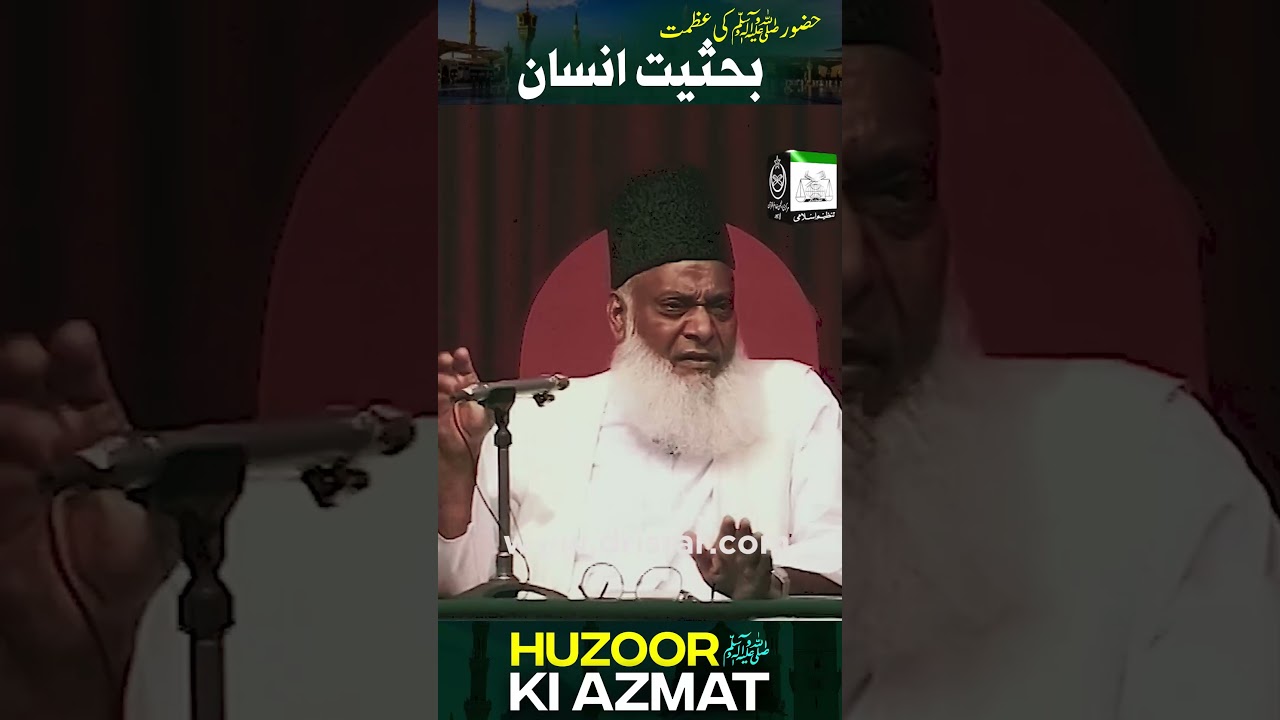
This lecture explores the multifaceted greatness of the Prophet Muhammad (peace be upon him). It highlights his exceptional qualities not merely as a human being, but also as a strategic leader and diplomat. The discussion focuses on his unparalleled skill in military strategy, despite never personally participating in battle, and his mastery of negotiation and conflict resolution. The lecture details his ability to forge alliances and unite diverse groups, exemplified by the agreements he established in Medina and previously in Yathrib, demonstrating his profound leadership and wisdom.
73
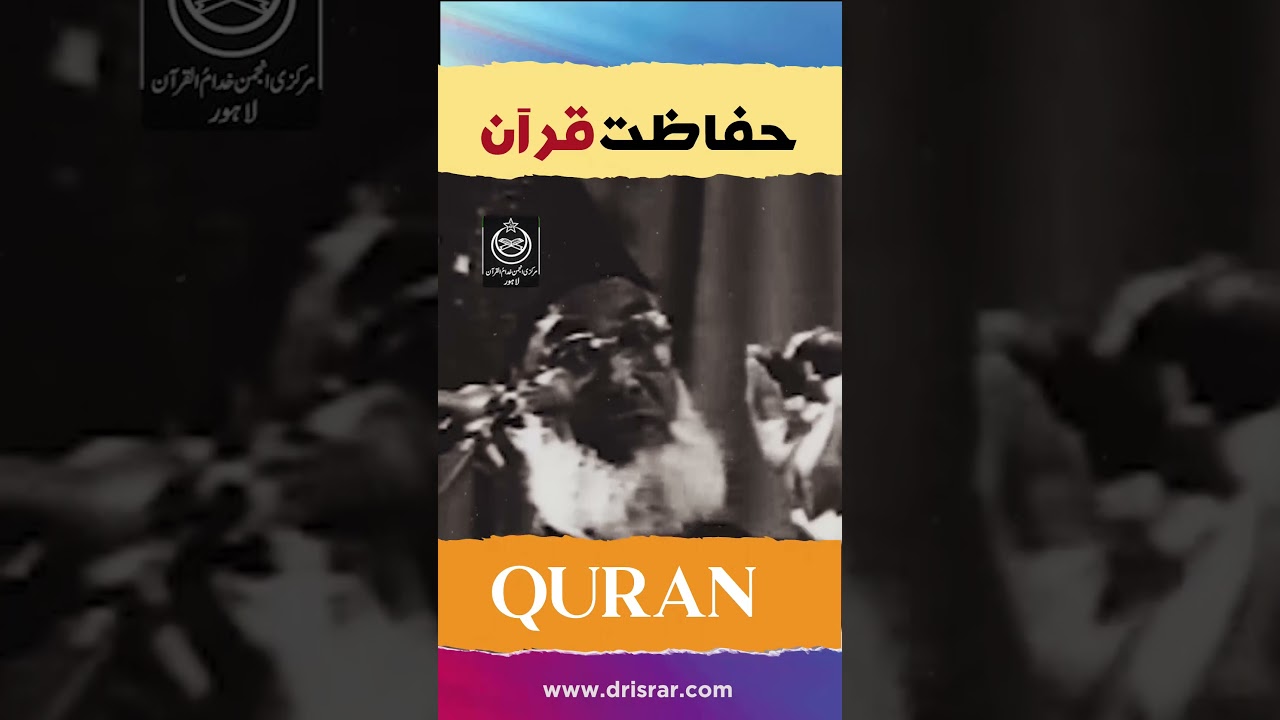
The Quran is unique among scriptures in its completely preserved text. Unlike other religious texts, the Quran's original form has been consistently maintained and memorized by generations of Muslims worldwide. This preservation isn't limited to written copies; a vast community of *huffaz* (memorizers) actively maintain the text through oral tradition, with even young children capable of correcting scholars. This consistent, multi-generational safeguarding represents a fundamental aspect of the Quran's significance, acknowledged even by those who do not believe in its divine origin. The Quran's textual integrity stands as an unparalleled phenomenon among religious books.
58
