מִכְנָסַיִים קְצָרִים
The Quran’s true absorption into one's being necessitates a softened heart. Just as water readily permeates a smooth vessel, the Quran is best received by a receptive soul. The Quran serves as both a remedy and a guide, embodying divine mercy and representing Allah’s greatest blessing to humanity. A softened heart is essential for benefiting from the Quran’s teachings and experiencing its transformative power. It highlights the Quran's role as a source of healing, direction, and divine grace.

49
This lecture discusses the esteemed position of Hazrat Ali (RA) within Islamic history and theology. It establishes him as one of the rightly guided Caliphs and highlights his exceptional virtues among the companions of the Prophet Muhammad (peace be upon him). The discussion clarifies his rank relative to Abu Bakr, Umar, and Uthman (RA), acknowledging their superior position, while affirming Hazrat Ali’s prominence among all other companions. The lecture focuses on the sequential order of Caliphs according to the Sunni perspective and establishes Hazrat Ali's elevated status within that framework.
83
Partial obedience is unacceptable; complete submission to divine commands is required. Selectively following religious dictates, driven by personal inclination, renders all obedience void. The Quran warns against accepting some scriptures while rejecting others, leading to disgrace in this life and severe punishment in the hereafter. Allah sees beyond superficial displays of piety and judges intentions. True devotion requires sincere faith and righteous actions, not merely outward rituals performed with ill-gotten gains. This lecture emphasizes the importance of wholehearted commitment to faith and the consequences of hypocrisy.
44
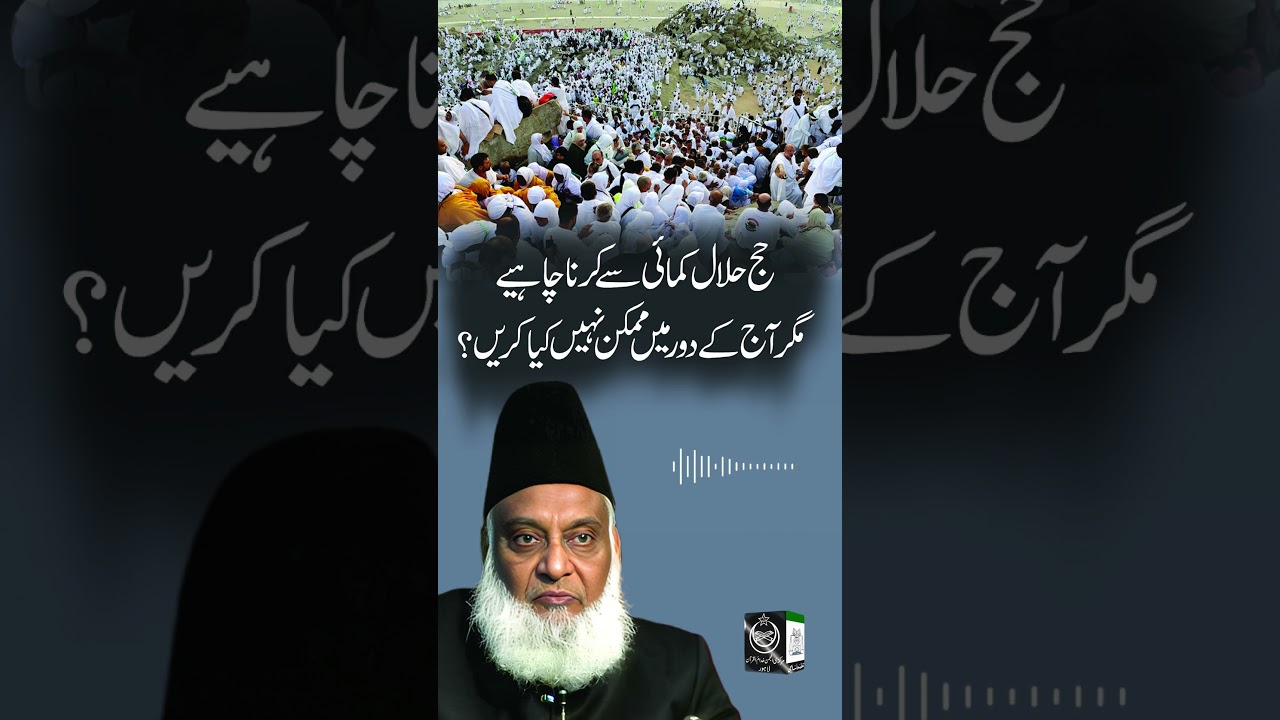
Performing Hajj and other religious obligations requires wealth earned through lawful means. Acquiring purely halal income is challenging in modern times due to pervasive indirect involvement with interest. Ambient interest exists in the air we breathe and the food we consume, which is considered a general impurity and doesn’t necessarily invalidate a transaction. Direct involvement, such as taking loans with interest to build homes or businesses, or depositing money to earn interest, is unequivocally forbidden. However, unintentional mistakes are forgivable, as God is Merciful and Pardoning. Focusing on acquiring halal income and avoiding strictly prohibited actions is paramount.
55
The soul is the center of our existence, distinct from the body. While the body originates from the earth, remains for a time, and ultimately returns to it, the soul is eternal and originates from, and returns to, God. Death involves the separation of the soul from the body; the soul itself does not die but transitions. The act of ‘ قبض’ (taking/receiving) relates to the body, not the soul. The soul’s journey is one of return to its divine source, a concept encapsulated in the phrase ‘Inna lillahi wa ilayhi raji’un.’
55
This lecture explains how Eid al-Adha, with its central practice of sacrifice, represents a broadening of the sacred experience of Hajj. The speaker highlights that while not everyone can physically perform Hajj, participating in the sacrifice of Eid al-Adha allows Muslims worldwide to share in that same spiritual objective. The discussion draws parallels between certain restrictions observed during Hajj and those followed during the days of sacrifice, noting similarities in ritual practices. The core idea presented is that Eid al-Adha extends the spirit of devotion and unity inherent in Hajj to all Muslims, regardless of their geographical location or ability to travel to Mecca.
49
