Kurze Hose

The Quran’s true absorption into one's being necessitates a softened heart. Just as water readily permeates a smooth vessel, the Quran is best received by a receptive soul. The Quran serves as both a remedy and a guide, embodying divine mercy and representing Allah’s greatest blessing to humanity. A softened heart is essential for benefiting from the Quran’s teachings and experiencing its transformative power. It highlights the Quran's role as a source of healing, direction, and divine grace.

49

Abdullah ibn Haris narrates that the Prophet Muhammad (peace be upon him) indicated forces would emerge from the east, establishing a system within an eastern region before launching campaigns. This eastern region encompasses areas like Iran, Afghanistan, Pakistan, and potentially India. A caliphate will be established within this area, sending forces to support the establishment of the Mahdi’s government in the Arabian Peninsula. This lecture explores the geographical indicators associated with the advent of the Mahdi and the preceding conditions for his arrival.
105
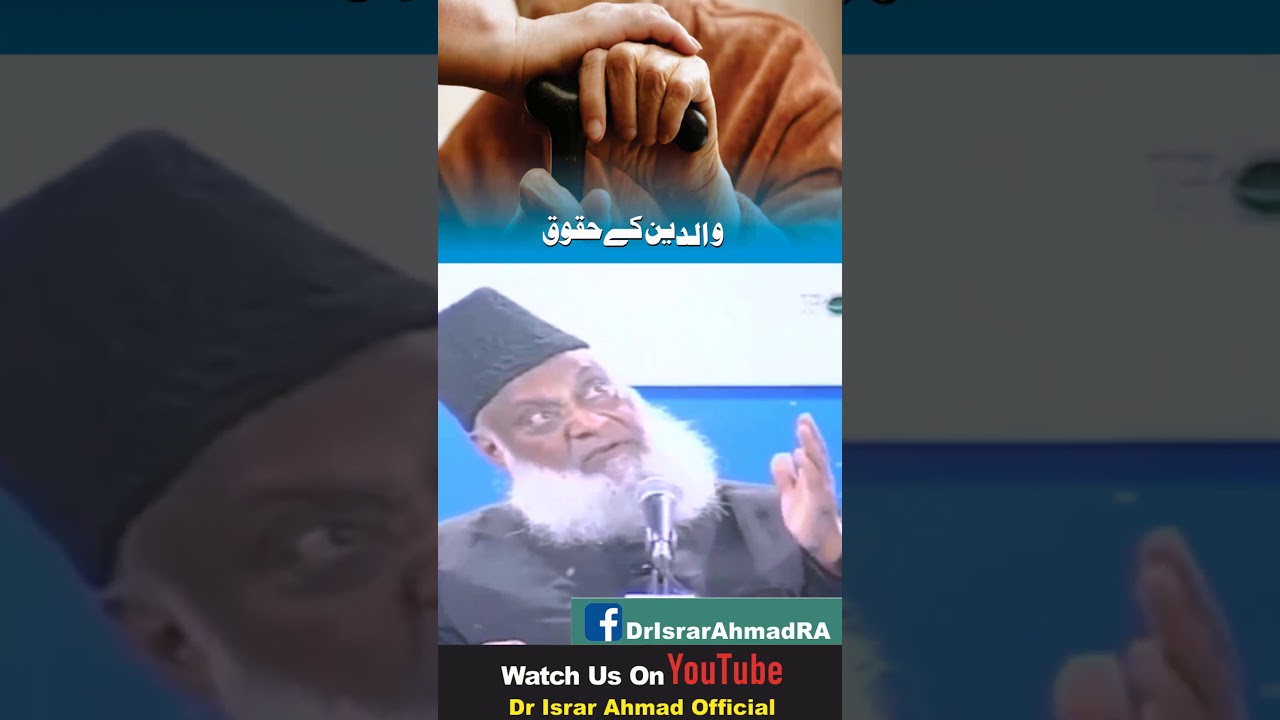
The greatest act of gratitude is towards one’s parents, a concept emphasized five times in the Quran. Simply *looking* at the Kaaba with reverence is considered an act of worship. Similarly, looking at one’s parents with love and respect is also an act of worship. This act of reverence, even without verbal interaction, holds significant spiritual reward. The Quran highlights the immense importance of honoring and showing affection to parents.
67

Effective training requires both encouragement and warning. Sometimes, firm discipline is necessary to correct behavior, while other times, positive reinforcement builds confidence and unlocks potential. The Quran utilizes both approaches – *tabshir* (giving glad tidings) and *anzar* (warning). Surah Al-Asr specifically highlights the consequences awaiting those who do not fulfill four conditions: faith, righteous deeds, advocating truth, and encouraging one another to uphold it. This lecture explores the balance between these methods and their importance in personal and societal development.
73

This lecture explores the concept of self-awareness and its connection to recognizing the Divine. It emphasizes that true identity lies beyond superficial characteristics and material possessions. The speaker explains that neglecting self-knowledge leads to spiritual forgetfulness and a loss of one’s true potential. Recognizing one’s inner self is presented as the key to knowing God. The discussion underscores the importance of not becoming like those who have forgotten God and, consequently, lost themselves.
75

The Prophet Muhammad (peace be upon him) serves as the best example for those who believe in God and the Day of Judgement, and who consistently remember God. The Quran provides guidance for all, but only those who are pious and fulfill specific conditions—faith in God and the afterlife, and constant remembrance of God—will truly benefit. This lecture highlights the Prophet’s life as a complete argument for humanity. The establishment of Islam's social justice system was achieved through persistent effort, hardship, sacrifice, patience, perseverance, and resilience, not through miracles or divine comforts. The example of the Battle of Tabuk demonstrates the dedication of early Muslims, even sharing meager rations to support one another. This is the essence of the Prophet’s legacy.
63
