निकर
Iqbal lamented that Muslims often treat the Quran merely as a ritualistic recitation, devoid of understanding and application. He observes that its use is frequently limited to hastening the passing of a dying person with Surah Yaseen. While acknowledging the importance of reading the Quran, Iqbal stresses its primary purpose is to serve as a comprehensive guide for life. He criticizes the lack of focus on implementing its principles and benefiting from its wisdom, reducing a profound source of guidance to a superficial practice. The core message is that the Quran’s potential remains untapped due to a lack of genuine engagement and a failure to integrate its teachings into daily life.

79
This lecture emphasizes that the completion of divine law through the Prophet Muhammad (peace be upon him) necessitates adherence for personal growth and fulfillment. It clarifies that Islamic law is not a burden but a guide for navigating life’s challenges, using the analogy of road signs on a dangerous mountain path. These signs, like the tenets of Shariat, are preventative measures designed to ensure safety and lead individuals towards the purpose for which they were created by God. The speaker highlights that restrictions within Shariat are not arbitrary, but rather safeguards for one’s wellbeing and spiritual development.
63
The text details a skeptical response from a prominent Quraishi man, Itbah ibn Rabi'ah, to Prophet Muhammad’s claim of receiving divine revelation. Itbah suggests the Prophet may be suffering from a malevolent spirit or affliction and offers to enlist the help of his connections to find a cure. This illustrates the initial disbelief and attempts to rationalize the Prophet’s message through pre-Islamic beliefs. The text highlights the Prophet's unwavering conviction amidst this skepticism and the challenges faced in conveying a new message.
54

This lecture details three elements that lead to salvation and three that lead to destruction. Salvation is achieved through fear of God in both private and public, speaking the truth regardless of anger or pleasure, and fulfilling one’s obligations. Destruction stems from following one's desires, excessive love of wealth, and self-admiration. Self-regard is presented as the most dangerous of these destructive traits, hindering spiritual progress and distancing one from divine guidance.
73
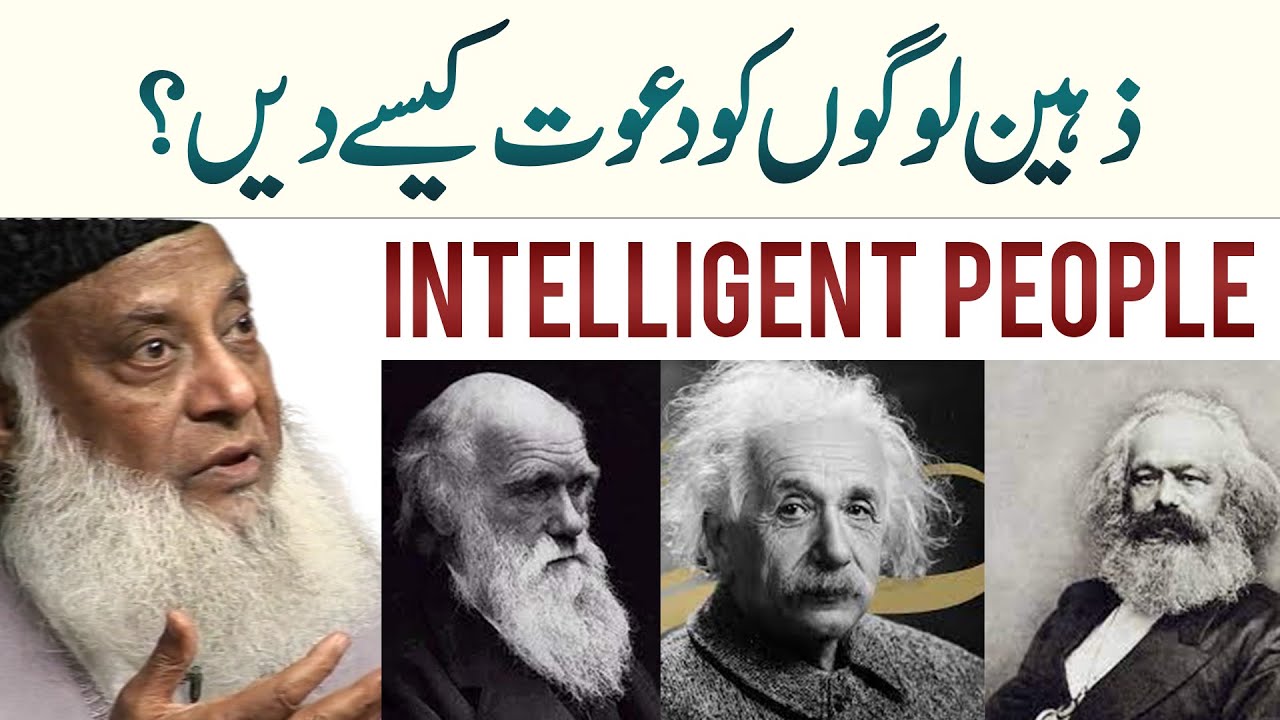
The lecture addresses the necessity of clearing the mind of conflicting ideologies, specifically Darwinian evolution and other Western philosophies, before accepting Islamic teachings. The speaker emphasizes that preconceived notions and intellectual impurities act as barriers to true understanding of religious concepts like the story of Adam and Iblis. He critiques the influence of thinkers such as Darwin, Freud, Marx, Adler, Bertrand Russell, and Sartre on contemporary thought, asserting that these philosophies obstruct a clear reception of Islamic principles. The speaker highlights the importance of intellectual purification to facilitate genuine faith and understanding.
60
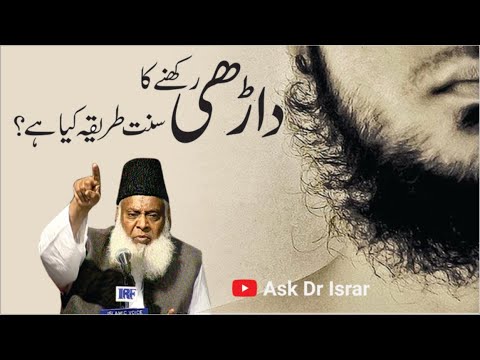
This lecture clarifies the Islamic rulings regarding beards and mustaches. It states that growing a beard is a Sunnah, and interfering with its natural growth is discouraged. Trimming for balance is permissible if growth is uneven. Shaving the beard completely or excessively is considered a greater sin than not growing one at all. The lecture emphasizes that adhering to these practices is considered obligatory by some scholars, as it aligns with the teachings and practices of the Prophet Muhammad (peace be upon him).
80
