Corti
Iqbal lamented that Muslims often treat the Quran merely as a ritualistic recitation, devoid of understanding and application. He observes that its use is frequently limited to hastening the passing of a dying person with Surah Yaseen. While acknowledging the importance of reading the Quran, Iqbal stresses its primary purpose is to serve as a comprehensive guide for life. He criticizes the lack of focus on implementing its principles and benefiting from its wisdom, reducing a profound source of guidance to a superficial practice. The core message is that the Quran’s potential remains untapped due to a lack of genuine engagement and a failure to integrate its teachings into daily life.

79
A traveler in the desert loses his camel, carrying all his provisions and means of transport. After a desperate search, he encounters death itself. Overwhelmed with relief, he proclaims gratitude to God for this encounter, recognizing his own insignificance and God’s grace. This parable illustrates the immense joy God feels when a sinful servant repents, exceeding even the joy experienced by the traveler at finding ‘death’.
64
The word ‘Sawm’ (fasting) fundamentally means to abstain or stop. This encompasses ceasing from eating and drinking, halting speech, or even pausing physical activity. The Quranic verse from Surah Maryam references a vow of abstinence. Historically, ‘Sawm’ in pre-Islamic Arabian society denoted refraining from desires, including sexual activity. It also described a horse standing perfectly still. The term was adopted by the Quran to define the act of fasting as a form of worship, signifying a complete cessation of bodily needs and worldly distractions. It’s a comprehensive cessation, not merely from food and drink, but from all impulsive desires and worldly engagements.
85
This lecture details the rulings surrounding I'tikaf during the last ten days of Ramadan. It clarifies that I'tikaf begins after the completion of the first twenty nights and continues until the sighting of the new moon marking the start of Shawwal. The lecture specifically addresses the prohibition of marital relations for those observing I'tikaf within the mosque, while permitting visitation from spouses for necessary consultation. The wisdom behind these rulings will be discussed further.
89
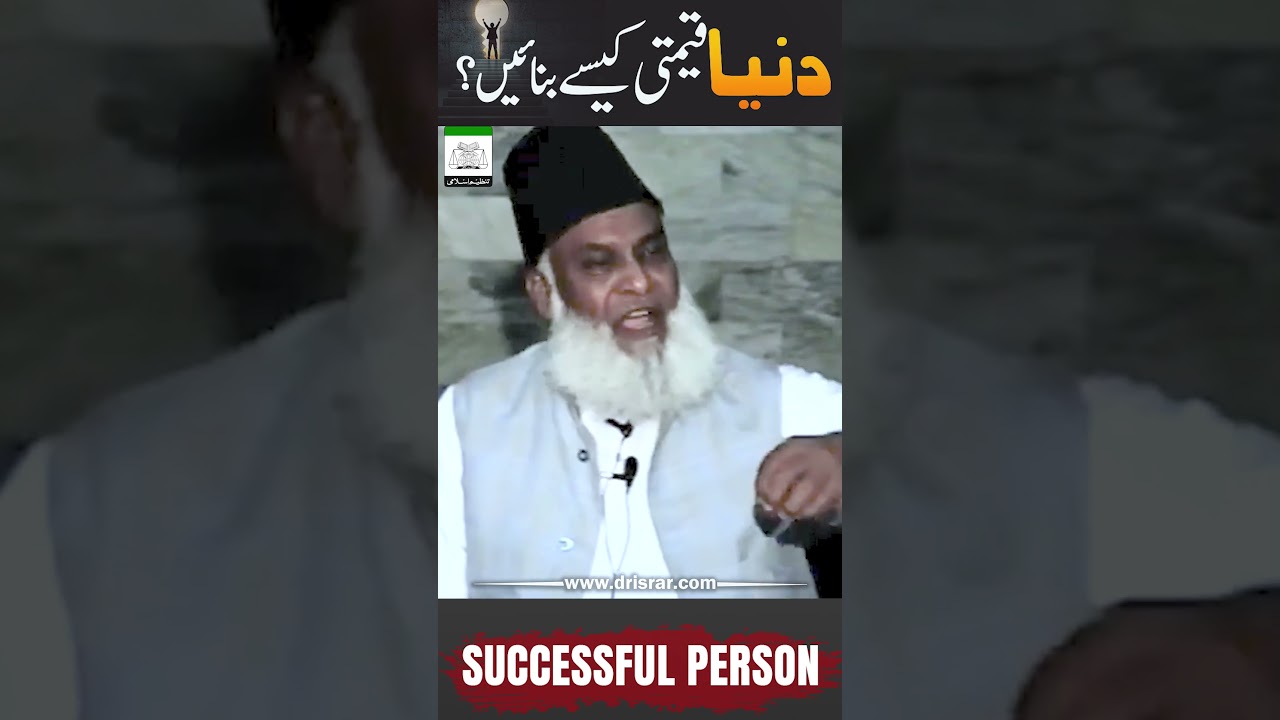
This lecture explores the transient and deceptive nature of worldly life, emphasizing its value as a field for cultivating rewards for the afterlife. It highlights the importance of remaining detached from worldly allurements and focusing on spiritual growth. True success lies not in accumulating worldly possessions but in preparing for the eternal realm. The speaker cautions against becoming lost in the superficialities of life, urging listeners to maintain a perspective of detachment, acting as travelers rather than settlers. Worldly life is valuable insofar as it allows one to earn provisions for the Hereafter; becoming engrossed in its distractions leads to ruin. The key to a balanced life is to engage with the world without becoming attached to it, recognizing its temporary nature and prioritizing eternal values.
72
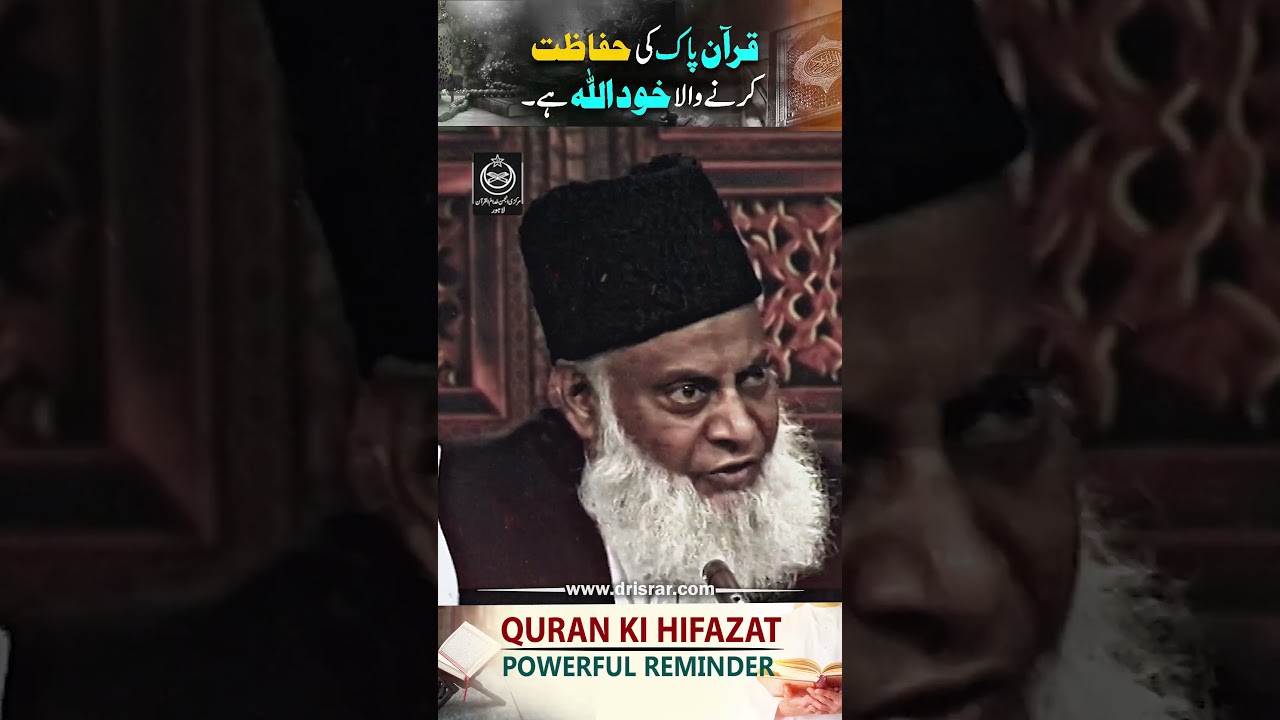
This lecture explores the divine protection of scriptures. It questions why, if God protected the Torah and Gospel, alterations still occurred. The argument centers on the unique preservation of the Quran, asserting that human intervention cannot corrupt its original form. The Quran's protection is explicitly stated in scripture, contrasting with the perceived lack of such protection for previous texts. Human translations and interpretations are acknowledged as sources of potential distortion, while the Quran itself remains inviolable.
49
