מִכְנָסַיִים קְצָרִים

This lecture details the practice of additional *takbirat* (declarations of greatness of God) during Eid al-Fitr prayers. The Hanafi school of thought prescribes six additional *takbirat*, while the Ahl-e-Hadith tradition follows twelve. The speaker emphasizes performing these *takbirat* while traveling to and from the Eid prayer, ideally using different routes to amplify the proclamation throughout the community. The core message urges believers to actively uphold and propagate their faith through striving, dedication, and even sacrifice, as a demonstration of gratitude for divine guidance. It stresses that upholding and establishing the true faith requires sincere effort and dedication, and that gratitude for Allah's guidance should manifest in a commitment to living a righteous life.

69

This lecture emphasizes perseverance in the face of adversity and detachment from worldly concerns. It asserts that genuine spiritual progress isn't measured by visible success but by sincere effort and complete surrender to God. The speaker stresses that one should not be disheartened by a lack of immediate results, as true reward lies in divine acceptance. It warns against superficial displays of sacrifice and highlights the importance of complete submission, offering everything to God, not just symbolic gestures. Ultimately, the message encourages consistent striving, regardless of worldly outcomes, with the assurance of divine reward.
57

This lecture discusses the significance of sacrificial animals in Islam, specifically during Hajj and Eid al-Adha. It explains that these animals represent symbols of devotion to God and foster a spiritual connection. The benefits derived from these animals, such as milk and other resources, are permissible, highlighting the inherent goodness and blessings within the act of sacrifice. The practice reinforces faith and strengthens the believer’s relationship with the Divine.
53
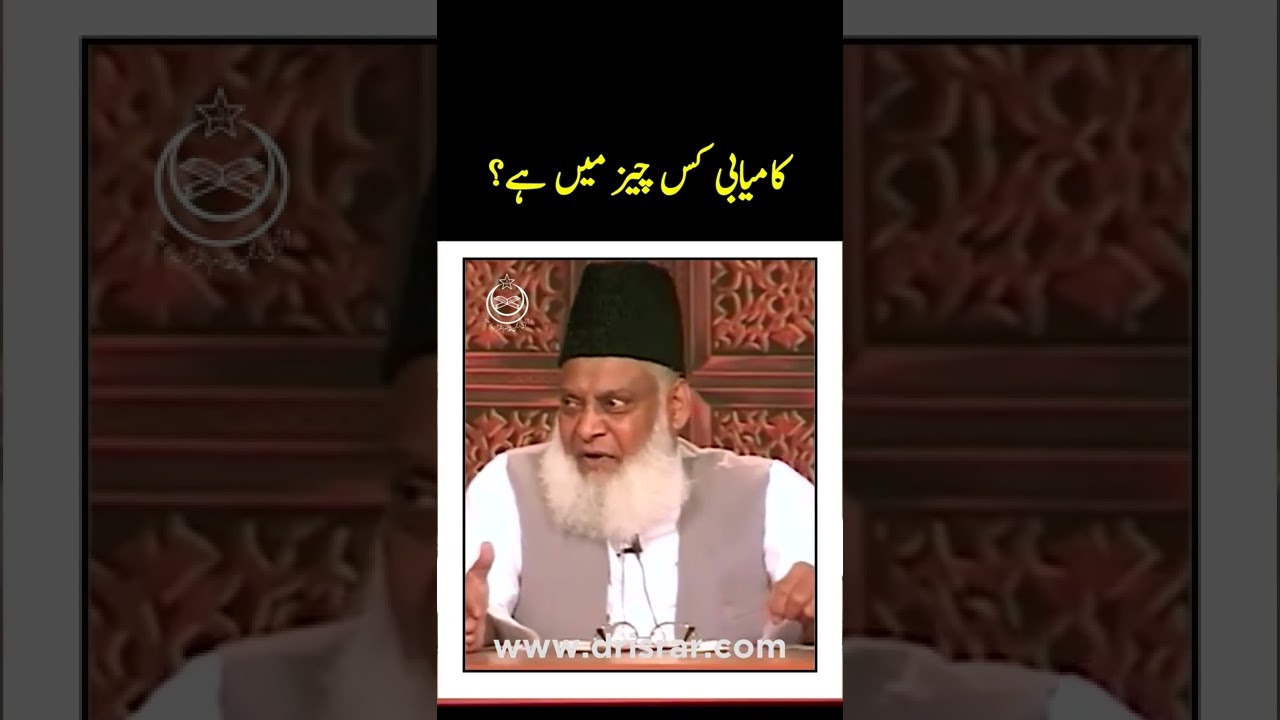
The criteria for success and failure are presented, emphasizing that true success isn’t found in wealth, status, or possessions. Instead, it stems from faith and righteous action. These elements are fundamental necessities for salvation, and one cannot compromise on them. The lecture stresses that genuine achievement is rooted in spiritual foundations, not material gains.
61

This lecture clarifies that the practice of *barat* (a wedding procession) is not an Islamic tradition. The *nikah* (marriage contract) in Islam is performed in the mosque, without lavish feasts or processions. The historical context reveals that the custom originated from pre-Islamic Hindu traditions, stemming from the need to protect the bride and her dowry during travel between villages. It was a protective measure against bandits, evolving into a large, extravagant procession with feasting and displays of wealth at the groom's home. The example of Prophet Muhammad's daughter, Fatima, demonstrates that even in her marriage to Hazrat Ali, there was no such elaborate procession; rather, a few women accompanied her after the *nikah*. The lecture emphasizes that this practice is a cultural addition, not a religious requirement.
98
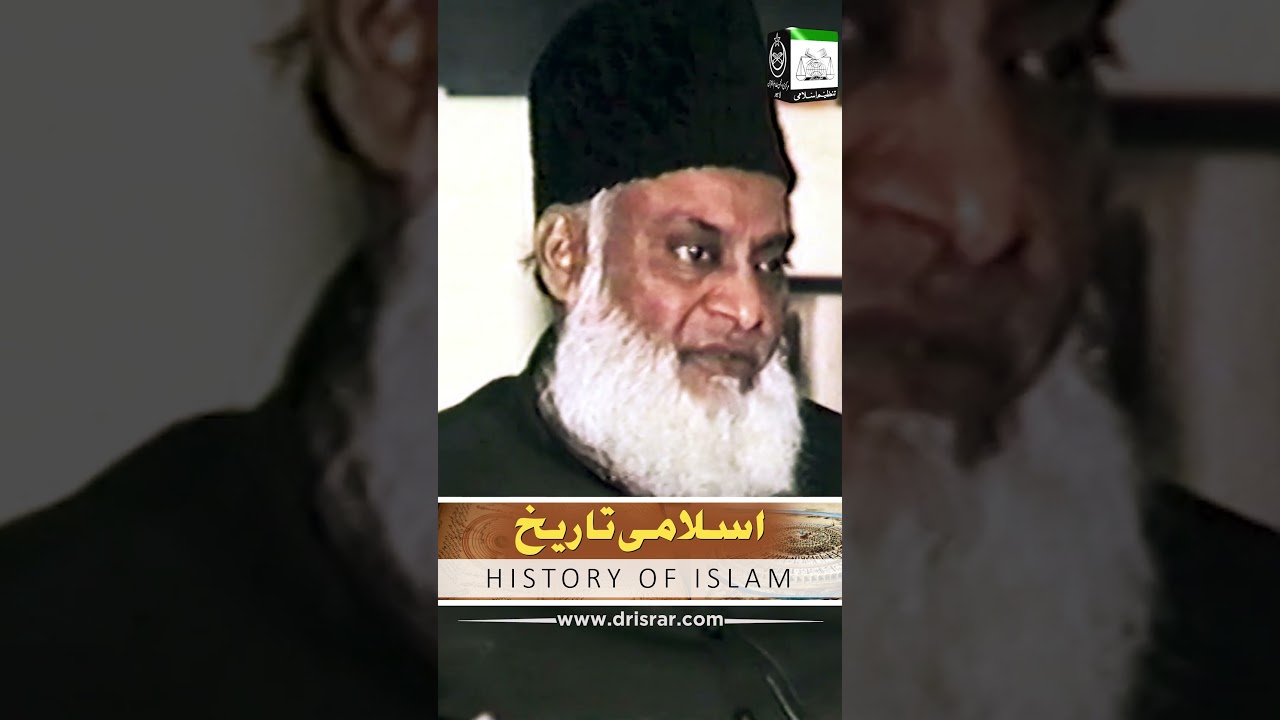
The history of Islam doesn't begin solely with the Prophet Muhammad ﷺ; its origins trace back to Prophet Adam. While the historical details from Adam to Moses are less preserved, the Israelites represent the first nation to emerge on the world stage. According to available knowledge, the Israelites were the first nation, and the final nation is the Ummah of Muhammad ﷺ. This lecture explores the historical lineage of Islam, emphasizing its continuity from the earliest prophets to the final messenger.
62
