निकर

This lecture details the practice of additional *takbirat* (declarations of greatness of God) during Eid al-Fitr prayers. The Hanafi school of thought prescribes six additional *takbirat*, while the Ahl-e-Hadith tradition follows twelve. The speaker emphasizes performing these *takbirat* while traveling to and from the Eid prayer, ideally using different routes to amplify the proclamation throughout the community. The core message urges believers to actively uphold and propagate their faith through striving, dedication, and even sacrifice, as a demonstration of gratitude for divine guidance. It stresses that upholding and establishing the true faith requires sincere effort and dedication, and that gratitude for Allah's guidance should manifest in a commitment to living a righteous life.

69

This lecture emphasizes the importance of *taqwa* (fear of God) and its practical application in daily life. It instructs believers to adhere to divine commandments and seek God’s pleasure. The lecture further discusses the concept of *hijrat* (migration) not merely as a physical journey, but as a striving for righteousness, and highlights the rewards promised to those who persevere in faith. It clarifies that reward extends beyond this life, encompassing both worldly benefits and boundless divine grace. The speaker stresses the importance of seeking environments where one can practice faith freely, and the ultimate recompense for those who remain steadfast.
59

This lecture discusses the significance of sacrifice, specifically the practice of offering animals during Eid al-Adha. It explains that sacrifice is a universal practice ordained by God for every community throughout history. The discussion highlights the historical context of animal sacrifice, particularly the use of camels in Arab culture, and connects this practice to a deeper spiritual relationship with God. The act of sacrifice, whether a camel, goat, or other animal, serves as a symbolic offering and a demonstration of devotion, ultimately bringing blessings and goodness to the believer.
70
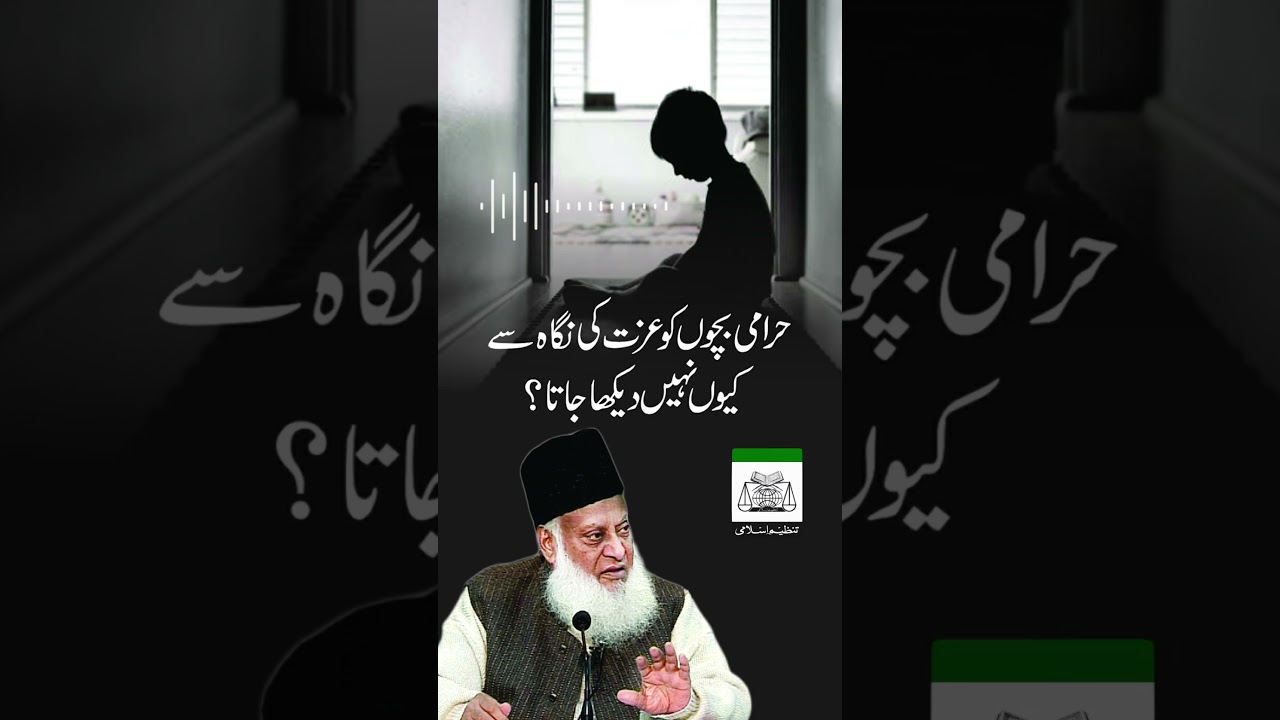
This lecture addresses the rights and societal treatment of children born out of wedlock in Islam. It firmly states that such children bear no guilt for the actions of their parents and should be treated with the same respect and dignity as any other child. The speaker emphasizes that these children are considered relatives (mawali) and should not be stigmatized or held accountable for parental transgressions. Any wrongdoing remains the responsibility of the parents, and the child is considered innocent.
64

This lecture emphasizes the importance of complete submission to God and consistently living in a state of obedience. It cautions against even a moment of disobedience, highlighting the unpredictability of death and urging constant vigilance. The speaker stresses that death can arrive at any moment, even during sinful acts, making continuous self-accountability and adherence to divine commands paramount. The message encourages a life lived with awareness of mortality and a commitment to unwavering obedience.
289
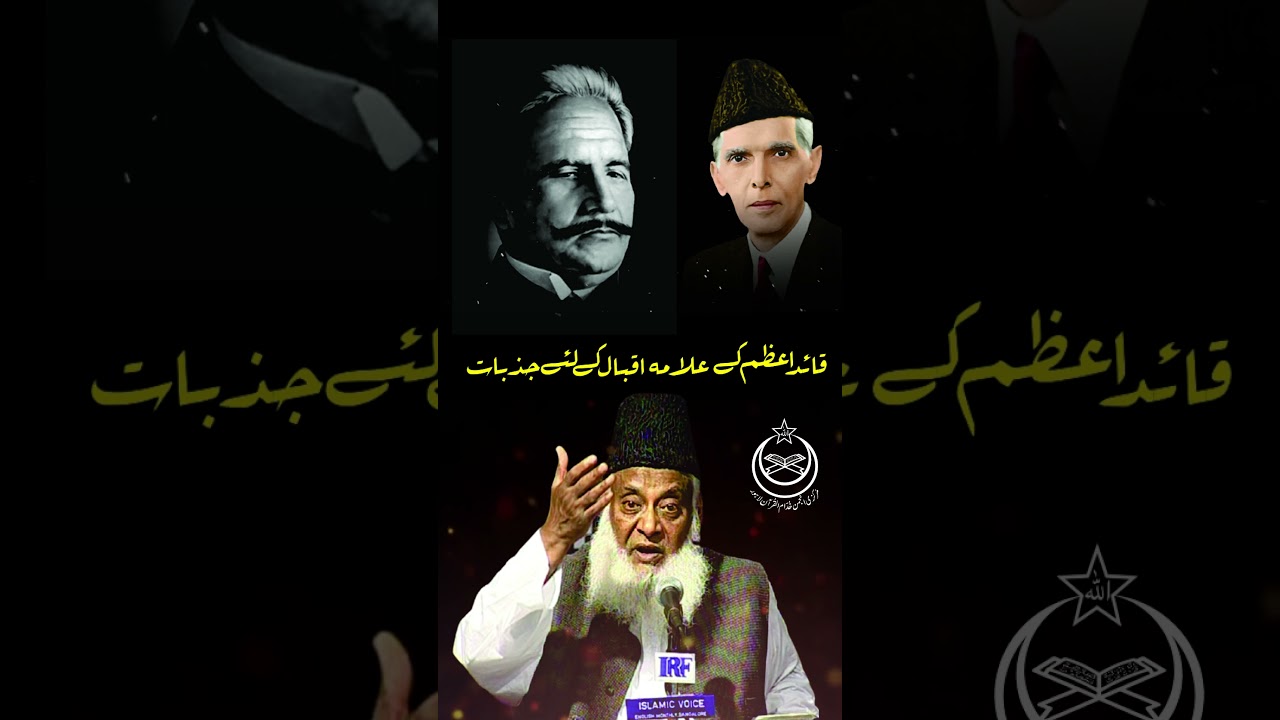
This lecture discusses the precise and deliberate manner of speech employed by Muhammad Ali Jinnah. It highlights that Jinnah was not one to engage in frivolous talk, but rather carefully considered each word before speaking. The speaker emphasizes Jinnah's commitment to accuracy and thoughtfulness in his communication, contrasting it with superficial rhetoric.
75
