Shorts
This lecture asserts that true sovereignty rests solely with God, rejecting the concept of human or national governance. It emphasizes that ownership, in its entirety, belongs to God, with all possessions – including one’s own body and progeny – being held in trust. The discussion refutes any form of human rule, whether individual kingship, national dominion, or popular sovereignty, deeming them forms of associating partners with God. The speaker stresses that God, or His appointed representatives, are the sole law-givers, and true authority emanates only from the Divine.

65
True piety and attaining spiritual elevation require sacrificing cherished possessions for the sake of others. Mere scholastic achievement—be it as a scholar, ascetic, jurist, or interpreter—is insufficient without genuine selflessness and dedication to virtuous deeds. Spiritual progress is impossible without practical demonstration of faith through giving and compassion. Achieving the station of *birr* demands a commitment that surpasses intellectual understanding and manifests in tangible acts of kindness and generosity. The lecture emphasizes that superficial religious observance lacks merit without a sincere transformation of the heart and a commitment to giving from what one loves.
44
This lecture discusses the plight of women, particularly in Western societies, highlighting the burdens they bear – pregnancy, childbirth, and financial responsibility. It critiques the objectification of women and questions the values of Western civilization, suggesting a concerning trend of exploitation and disregard for their dignity. The speaker emphasizes the need to understand and respect women's true worth and role in society.
424
This discourse elucidates the core tenets of the true religion (Deen-e-Qayyimah), emphasizing the absolute Oneness of God (Tawhid) as the foundation of faith. It highlights that humanity was commanded solely to worship God sincerely and exclusively, maintaining a pure and unwavering devotion. The lecture further stresses the importance of establishing prayer (Salat) and fulfilling the obligation of Zakat as fundamental pillars of this worship. These acts, when performed with sincerity, constitute the essence of a life lived in submission to God. The discussion establishes prayer and Zakat as the most critical components of worship, alongside the pilgrimage, emphasizing their role in achieving spiritual fulfillment.
54
Despite prevailing hardship and the absence of good news, divine light will ultimately prevail, as Allah will fulfill His purpose regardless of opposition. Allah sent His Messenger with a decisive message: the complete guidance of the Quran. This guidance establishes a just system – a true faith and a complete way of life – intended to triumph over all opposition. The purpose of this message is to establish a just and equitable social order, ensuring the ultimate victory of truth and righteousness.
79
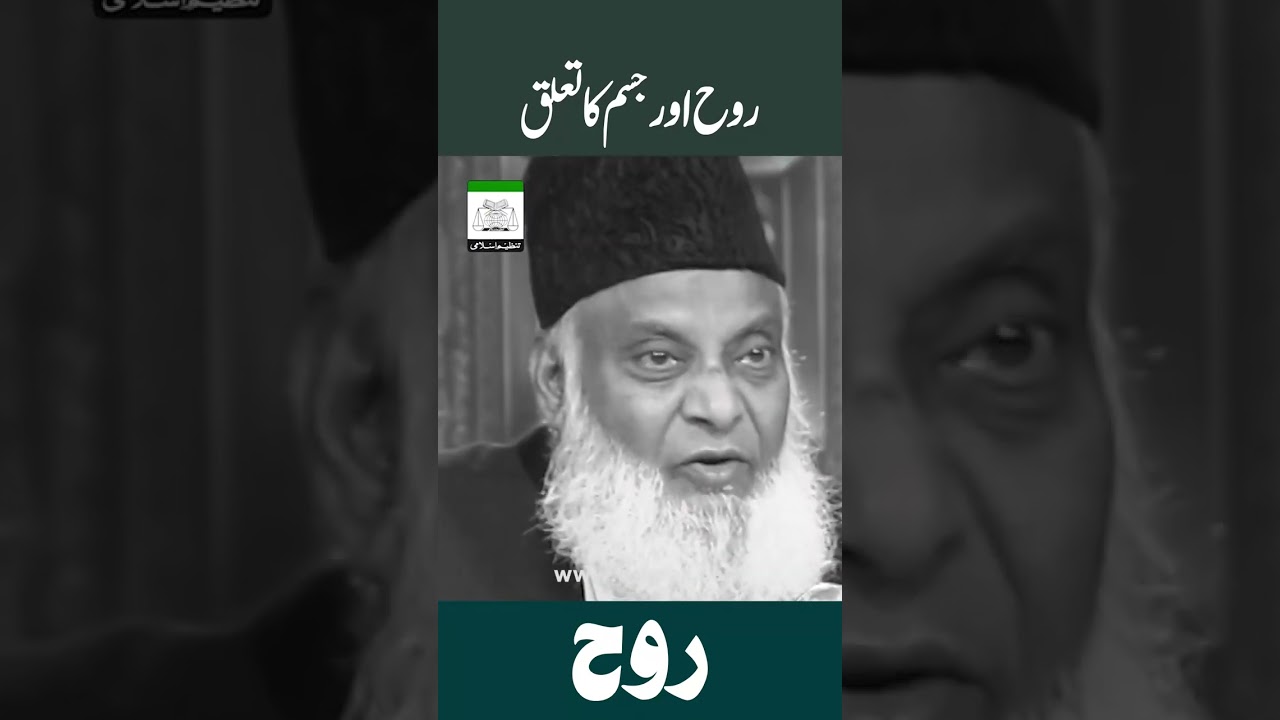
The soul is the center of our existence, distinct from the body. While the body originates from the earth, remains for a time, and ultimately returns to it, the soul is eternal and originates from, and returns to, God. Death involves the separation of the soul from the body; the soul itself does not die but transitions. The act of ‘ قبض’ (taking/receiving) relates to the body, not the soul. The soul’s journey is one of return to its divine source, a concept encapsulated in the phrase ‘Inna lillahi wa ilayhi raji’un.’
60
