Shorts

The text emphasizes that true life resides in the afterlife, not the material world. It critiques a materialistic focus, stating that people are lost in the pursuit of worldly possessions, mistakenly believing they are achieving something substantial. This pursuit leads to being lost in matter and consumed by materialism, exhausting all efforts within a limited scope. The core message is a rejection of prioritizing worldly gain over spiritual fulfillment and preparation for the afterlife.

44
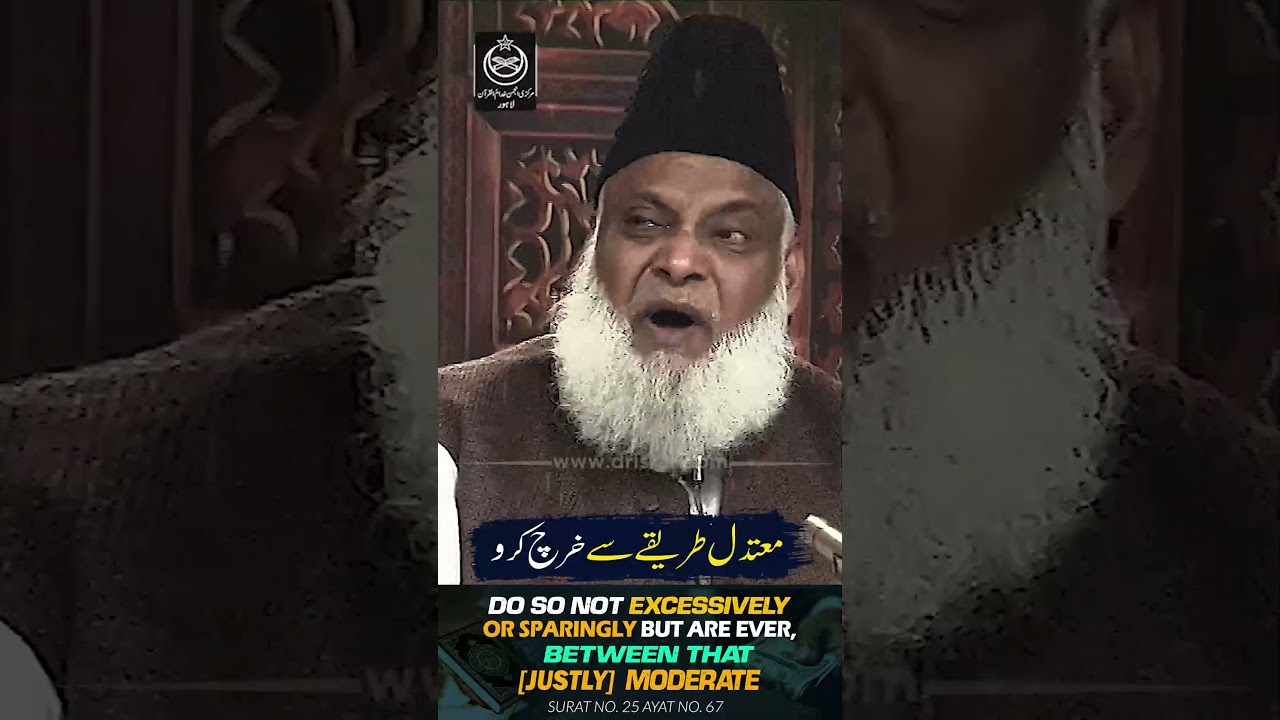
Extremism in charitable giving is undesirable. Intense emotion can lead individuals to impulsively donate all their wealth, potentially harming themselves. The Quran and the teachings of the Prophet emphasize the necessity of balance in spending. The verse from Surah Al-Furqan highlights that true believers spend neither stingily nor wastefully, but maintain a moderate course between these extremes. This approach ensures both the well-being of the giver and the effective distribution of resources to those in need. It’s crucial to consider consequences and adopt a reasoned approach to charity.
54
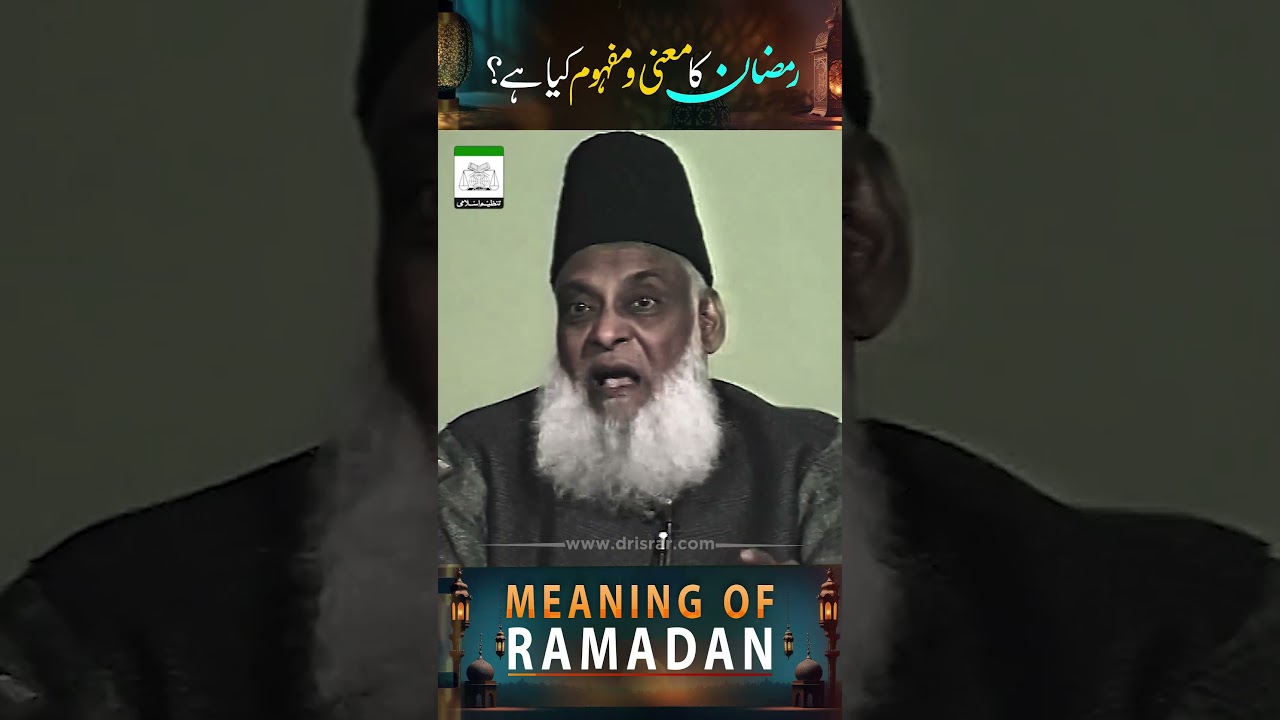
The origins of the name Ramadan are debated. One view connects it to the intense heat that historically impacted the Arabian Peninsula, causing hardship and natural purification. This led to a belief that Ramadan offered a time of spiritual cleansing. Another perspective links the name to one of the names of God, signifying that Ramadan is God's month. This is supported by a saying of the Prophet Muhammad, who identified Sha’ban as his month and Ramadan as the month of God. The purpose of fasting during Ramadan is fundamentally to purify the impurities accumulated within the human body.
65
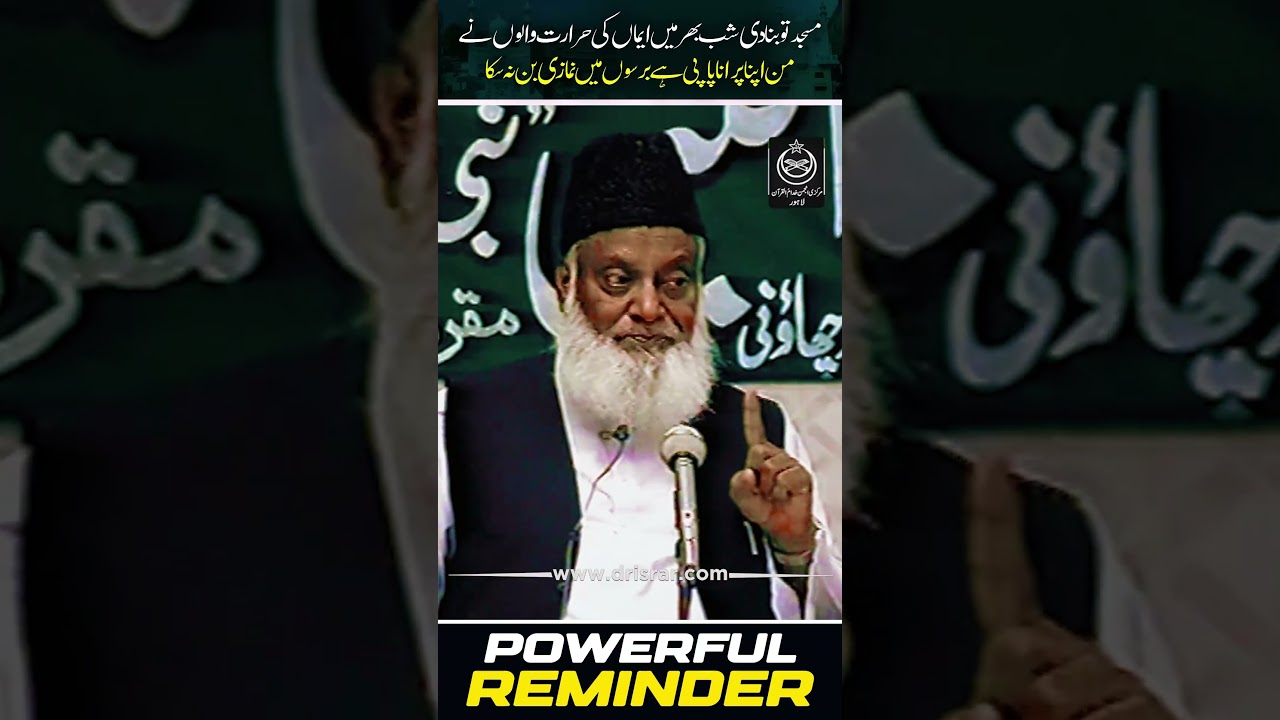
This lecture emphasizes that true religious devotion requires personal piety and the practical implementation of faith within one’s own life and sphere of influence. The speaker cautions against merely constructing physical structures like mosques without concurrent self-improvement and organized, constructive action. He warns that disorganized groups can cause disruption and impede meaningful progress. The core message is that establishing faith within oneself and one’s immediate surroundings is the foundational step before attempting wider religious work.
60
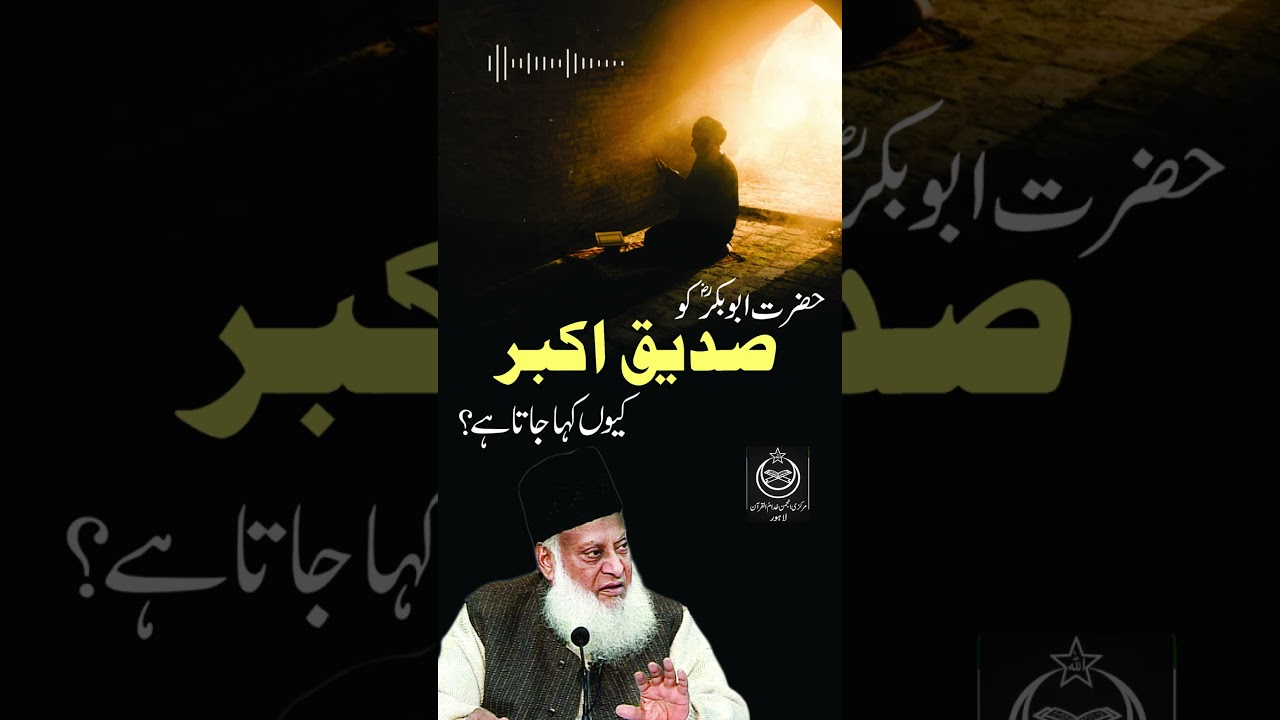
The title ‘Siddeeq’ is reserved for those who unequivocally affirmed the truth of the Prophet Muhammad (peace be upon him). Abu Bakr stood out as unique; unlike others who hesitated or pondered before accepting the message, he affirmed it instantly and without a moment’s doubt. This immediate and complete acceptance earned him the title ‘Siddeeq-e-Akbar’ – the greatest of the truthful.
71
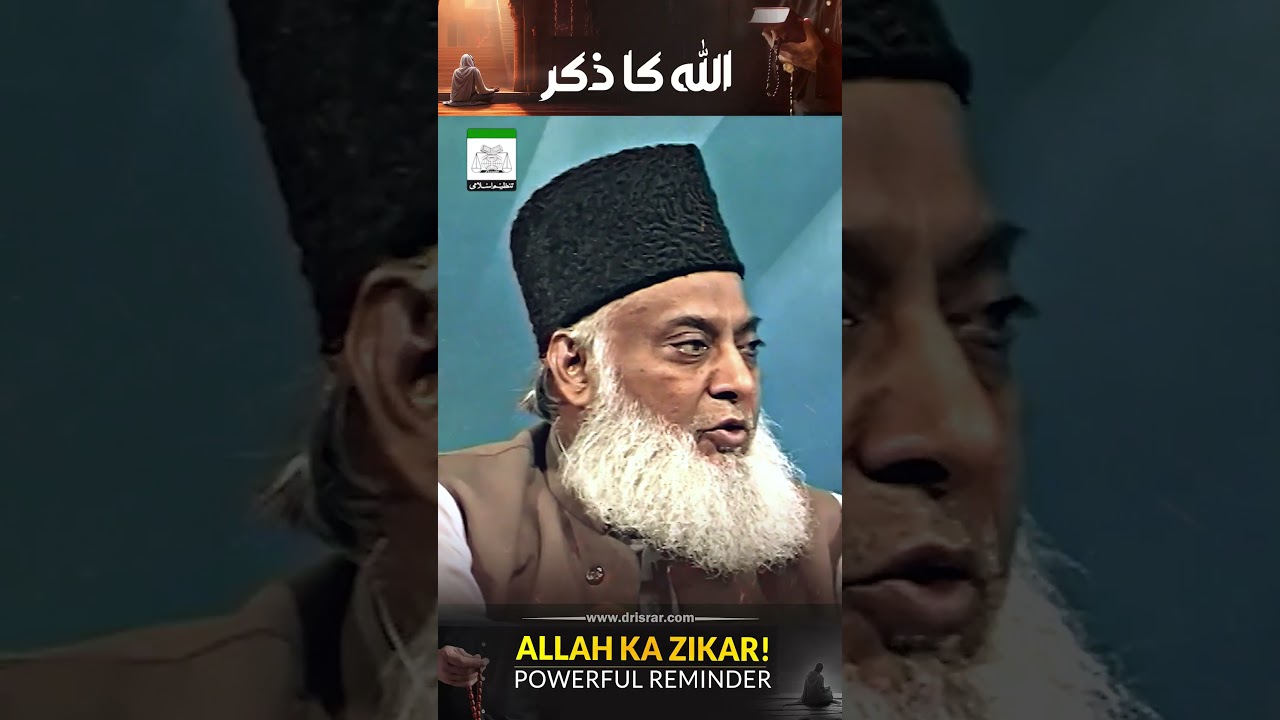
This lecture emphasizes the constant remembrance of Allah in all aspects of life. It highlights the importance of incorporating supplications (du'a) into daily routines – upon entering and exiting homes, markets, and even restrooms – without disrupting one's activities. The core message is maintaining a continuous connection with Allah through these acts of devotion. The speaker further emphasizes the significance of reciting the Quran and offering prayers as the greatest forms of remembrance. This constant connection, the lecture argues, is the essence of a believer’s life.
62
