Şort
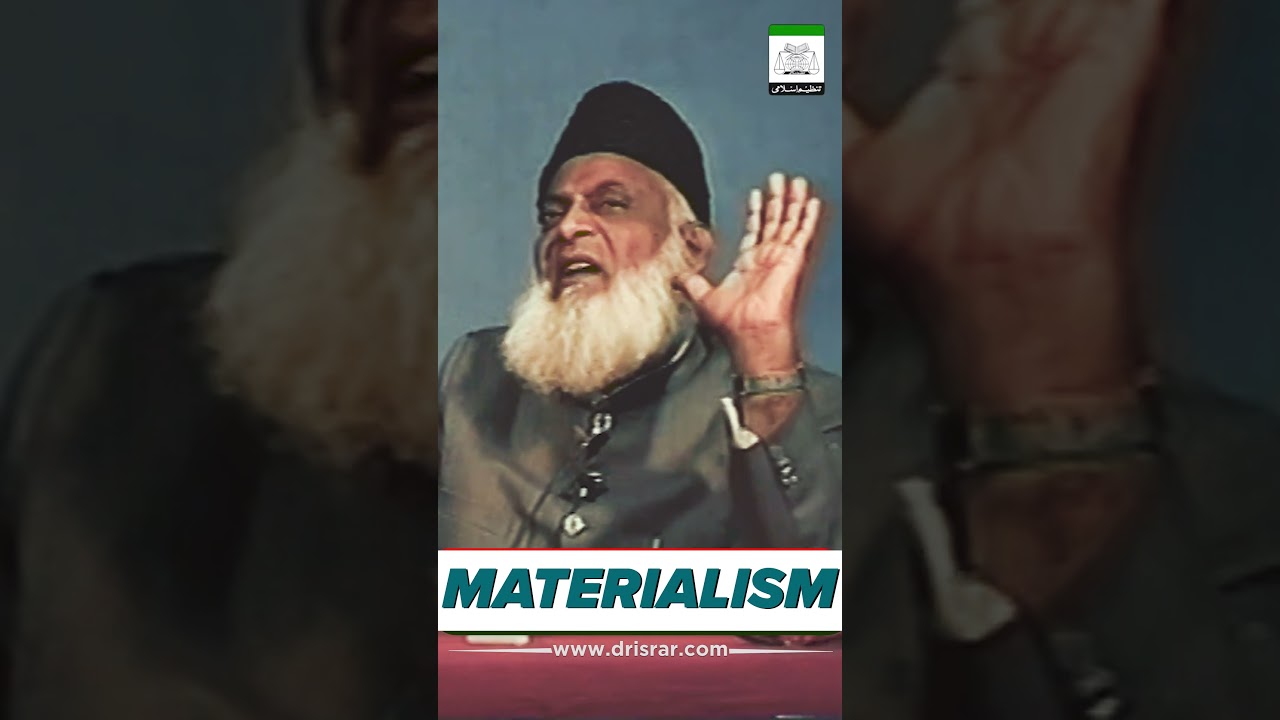
The text emphasizes that true life resides in the afterlife, not the material world. It critiques a materialistic focus, stating that people are lost in the pursuit of worldly possessions, mistakenly believing they are achieving something substantial. This pursuit leads to being lost in matter and consumed by materialism, exhausting all efforts within a limited scope. The core message is a rejection of prioritizing worldly gain over spiritual fulfillment and preparation for the afterlife.

44
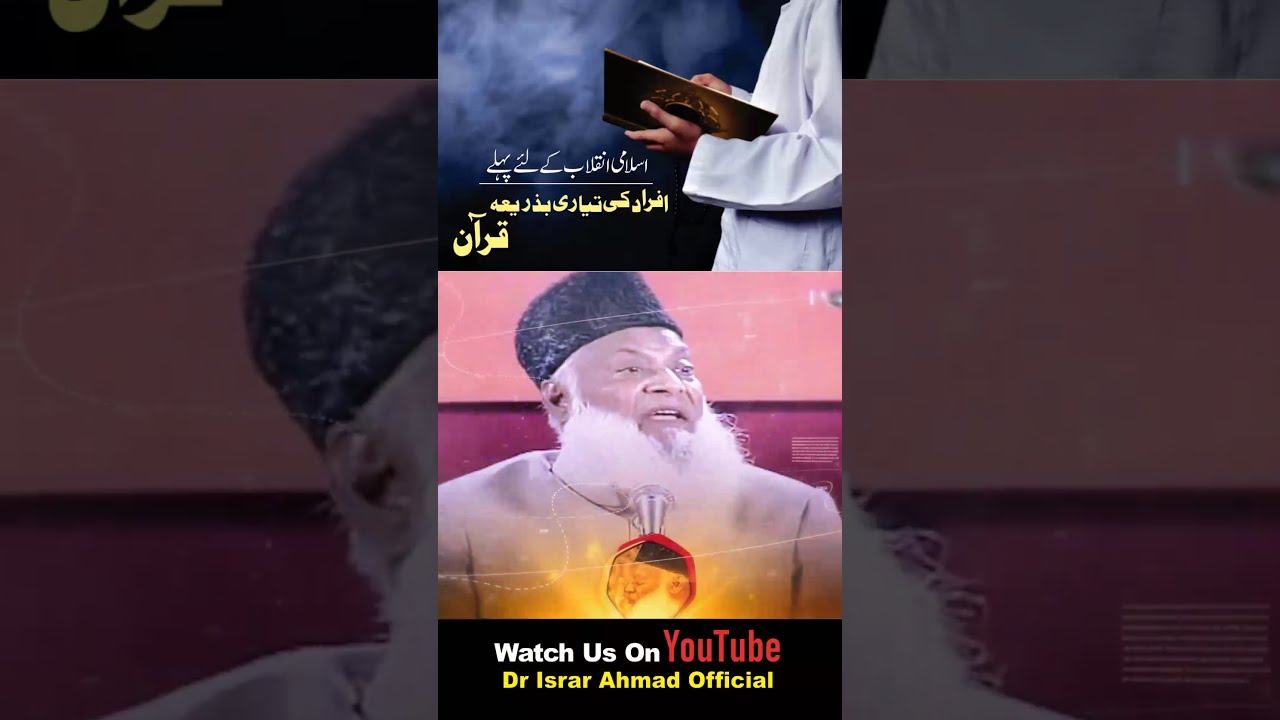
Dr. Israr Ahmad emphasizes the pivotal role of the individual in shaping the destiny of nations. He asserts that a nation's fate rests in the hands of its people, with each individual acting as a guiding star for the community. True progress stems from individual piety, devotion, and sincerity of purpose – working solely for the pleasure of God and striving for success in the afterlife. This lecture stresses the importance of solidifying individual character before uniting for collective advancement, with the Quran as the essential binding force.
85

Dr. Israr Ahmad explains a critical point regarding religious observance. He clarifies that excessively strict adherence to rituals, like maintaining a fast (Roza) even under conditions of extreme hardship – such as during travel or military campaigns – is a misunderstanding of true piety. He points out that such rigid practices stem from a misguided notion of righteousness and can foster extremism. The lecture emphasizes that genuine faith prioritizes well-being and practicality over inflexible adherence to rituals, especially when it leads to physical exhaustion or hinders necessary activities. The Prophet Muhammad (peace be upon him) discouraged such unnecessary hardship and highlighted the importance of balance in religious practices.
69
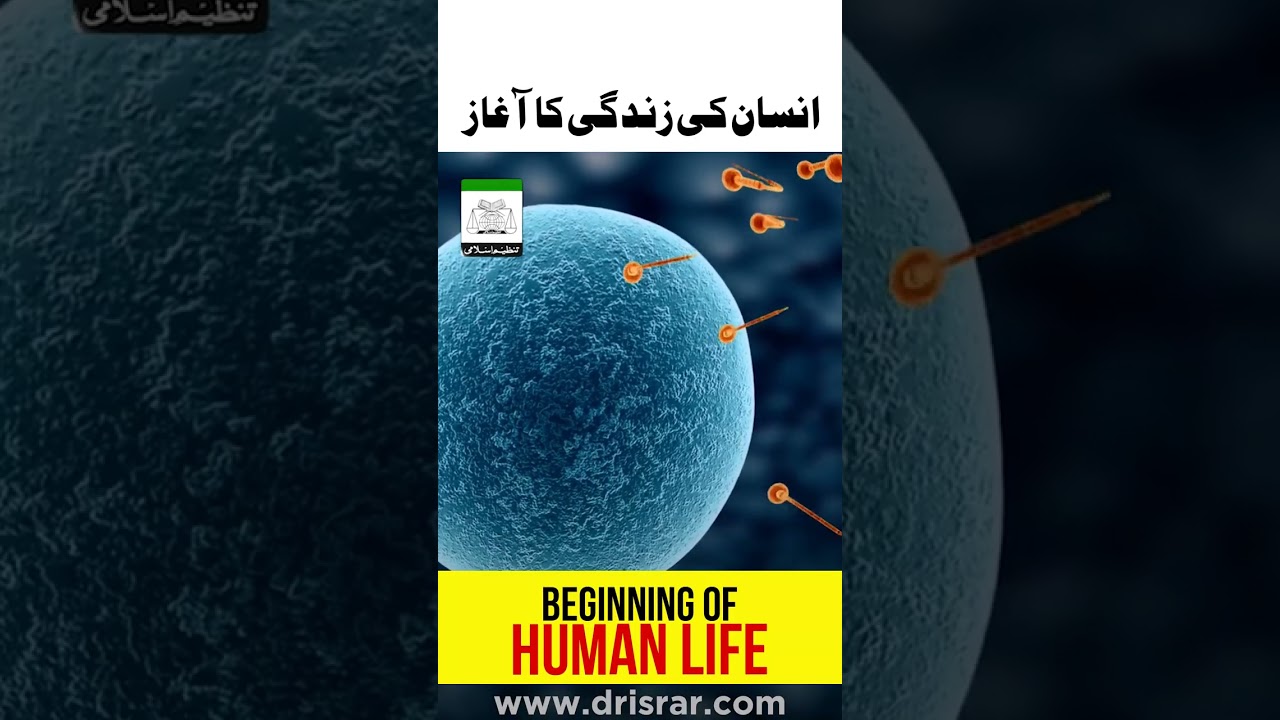
Modern microscopic observation confirms the Quranic description of human origins as detailed in Surah Qiyamah. The verse referencing the initial state as ‘nutfa’ (a drop) aligns with scientific understanding of fertilization. Microscopic analysis reveals the active, living spermatozoa originating from the male contribution, demonstrating life’s commencement at conception. The video elucidates that life does not begin 120 days after fertilization, but from the very beginning, supporting the Quranic account.
62
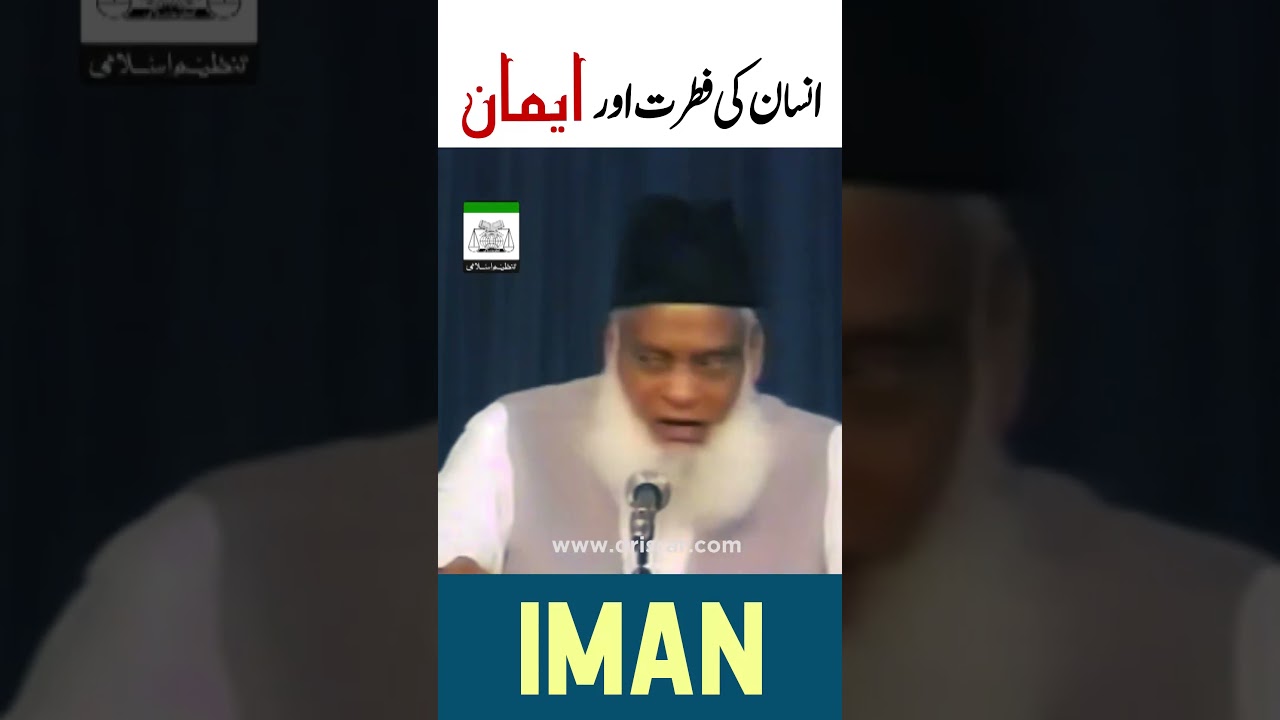
Faith is not merely an external practice, but an inherent connection to the Divine residing within each individual. The universe, from the earth to the heavens, serves as a constant reminder of God’s existence, power, knowledge, and wisdom. Introspection reveals this divine presence within the soul, a direct link to the Creator. Recognizing this inherent faith requires observation of the natural world and deep self-reflection. This connection is a natural part of human nature, a promise fulfilled through recognizing God’s signs in creation and within oneself.
28
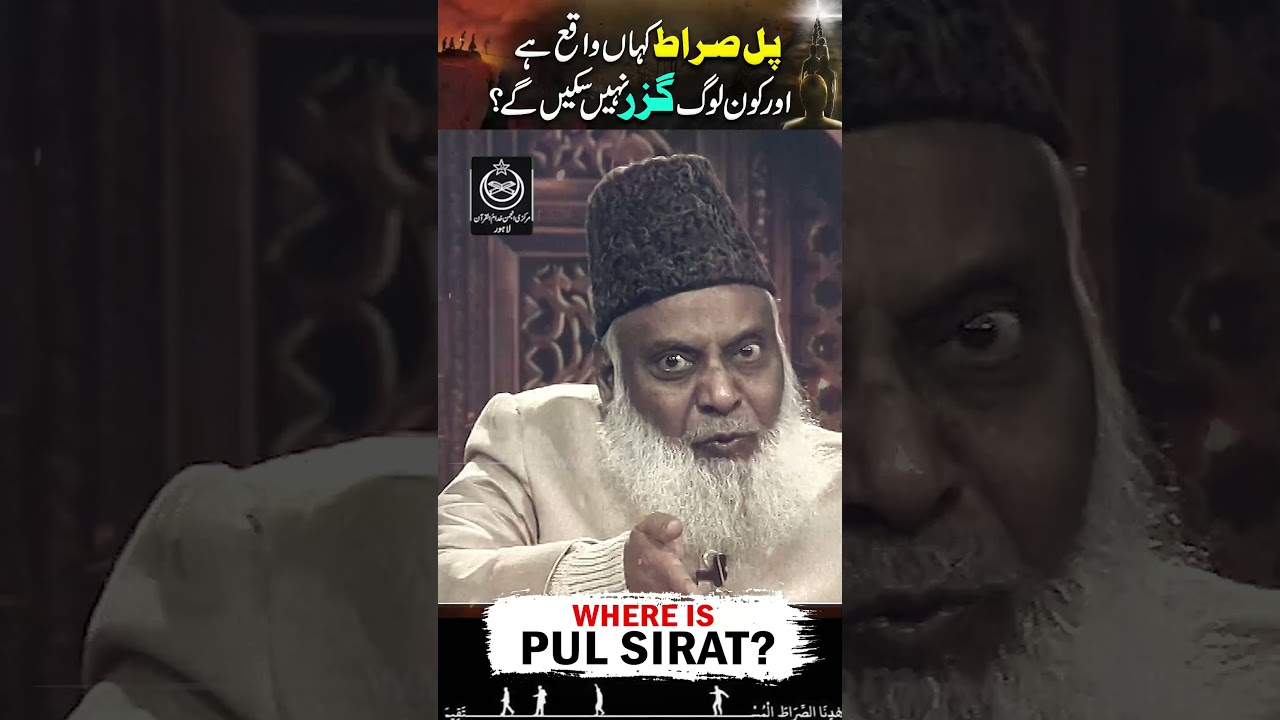
The Sirat is described as a narrow bridge spanning Hell, shrouded in intense darkness. Those with faith and righteous deeds will be guided by an inner and right-hand light, allowing them to cross safely into Paradise. Conversely, those lacking faith and good deeds will stumble, fall, and be cast into Hellfire. This inner light, emanating from faith and righteous actions, illuminates the path for the believers, while the unrighteous will face a treacherous journey and ultimate damnation. The Sirat is a test of one's spiritual state and a decisive factor in their eternal destiny.
48
