מִכְנָסַיִים קְצָרִים
The Prophet Muhammad (peace be upon him) defined true impoverishment not as a lack of wealth, but as a lack of spiritual and moral capital. On the Day of Judgement, individuals may arrive bearing the outward signs of piety – prayers, fasts, pilgrimage, and charity – only to find their rewards diminished due to past injustices. Those harmed by their wrongful actions – through slander, false accusations, or violations of rights – will present their claims, and the offender's good deeds will be allocated to compensate the victims. This lecture highlights the critical importance of earning wealth and performing religious obligations through lawful means, emphasizing that true prosperity lies in righteous conduct and the preservation of others’ rights.

52

The speaker discusses the decline of spiritual understanding within Islamic practice. While rituals like prayer, fasting, sacrifice, and pilgrimage remain prevalent, the underlying philosophical depth and transformative effect have diminished. The speaker argues that the sheer number of people performing these rituals – millions undertaking the Hajj – does not translate into societal impact or personal change. The focus has shifted from inner transformation to mere external observance, resulting in a disconnect between practice and genuine spiritual growth.
72
This lecture emphasizes that true religious devotion requires personal piety and the practical implementation of faith within one’s own life and sphere of influence. The speaker cautions against merely constructing physical structures like mosques without concurrent self-improvement and organized, constructive action. He warns that disorganized groups can cause disruption and impede meaningful progress. The core message is that establishing faith within oneself and one’s immediate surroundings is the foundational step before attempting wider religious work.
60
The Quran is uniquely preserved compared to all other texts. The world’s scholars acknowledge this fact. Every letter and pronunciation within the various recorded recitations – Sab’a Qira’at and ‘Ashara Qira’at – is meticulously documented, detailing even the use of *zabar* or *zir* for each word. The official text was standardized by Hazrat Uthman (RA), a significant service to the Muslim community. This preservation extends to the precise documentation of variations in recitation, ensuring the integrity of the divine text.
57
Humans are born equal, possessing inherent dignity regardless of race, ethnicity, gender, or social status. This equality is a fundamental principle, as highlighted by Allama Iqbal. Differences in status arise from acquired qualities like knowledge and piety, not from birth. True honor stems from devotion to God and righteous conduct, not from inherited characteristics. The Quran emphasizes that superiority is based on *taqwa* (piety), not on arbitrary distinctions like race or lineage. This concept rejects all forms of discrimination and promotes a society based on justice and merit.
66
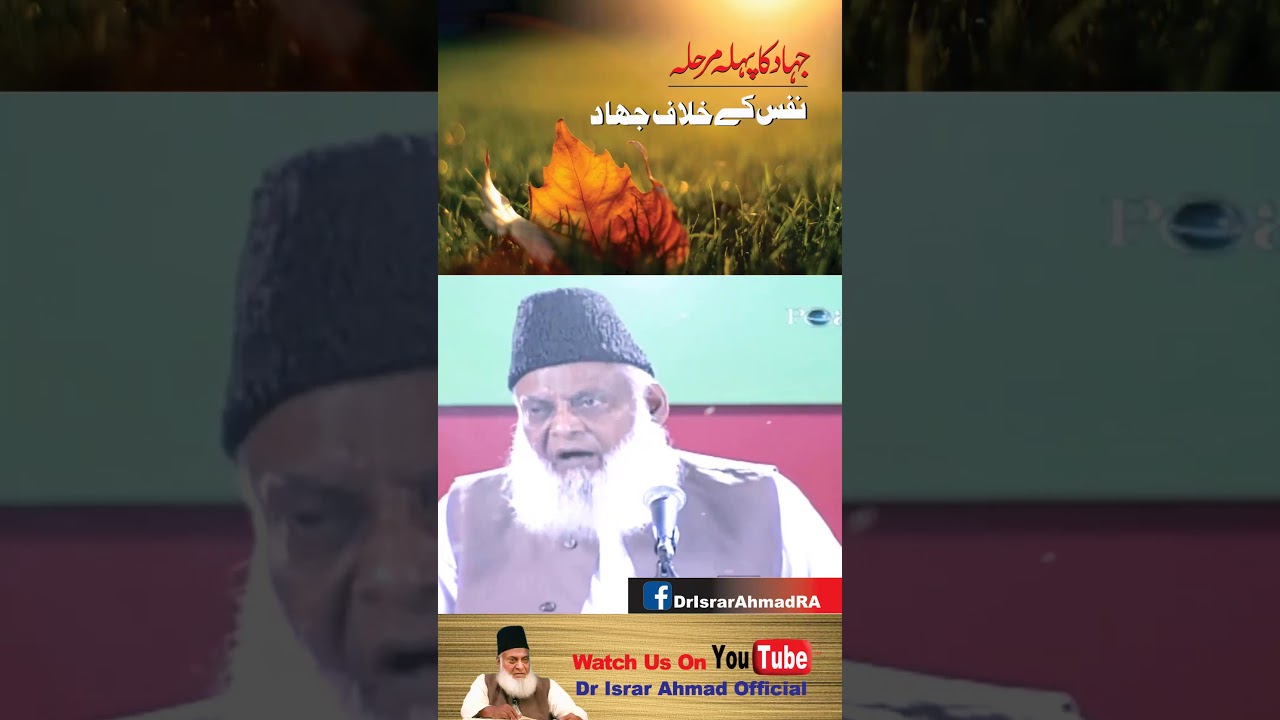
This lecture emphasizes the core concept of *jihad* as an internal struggle against one's own base desires and ego. True *jihad* is presented not merely as external warfare, but as a relentless effort to control the self and purify the heart. The speaker highlights that conquering one’s internal enemies is a prerequisite for engaging in righteous external struggles. This internal battle against the *nafs*—the ego—is the foundation of spiritual growth and achieving closeness to God. The ultimate goal is self-discipline and the eradication of negative inclinations.
494
