شلوار کوتاه

The Prophet Muhammad (peace be upon him) defined true impoverishment not as a lack of wealth, but as a lack of spiritual and moral capital. On the Day of Judgement, individuals may arrive bearing the outward signs of piety – prayers, fasts, pilgrimage, and charity – only to find their rewards diminished due to past injustices. Those harmed by their wrongful actions – through slander, false accusations, or violations of rights – will present their claims, and the offender's good deeds will be allocated to compensate the victims. This lecture highlights the critical importance of earning wealth and performing religious obligations through lawful means, emphasizing that true prosperity lies in righteous conduct and the preservation of others’ rights.

52

Human life is inherently filled with hardship, regardless of socioeconomic status. Those who have left their homes face particular struggles, but even the wealthy experience a different kind of toil – mental anguish. While physical labor may be less prevalent among the affluent, they often rely on tranquilizers and sleep aids to cope with stress. In contrast, a laborer, after eight hours of physical work, achieves natural, restorative sleep. True peace of mind and contentment are elusive, manifesting as either physical or mental strain for everyone.
87
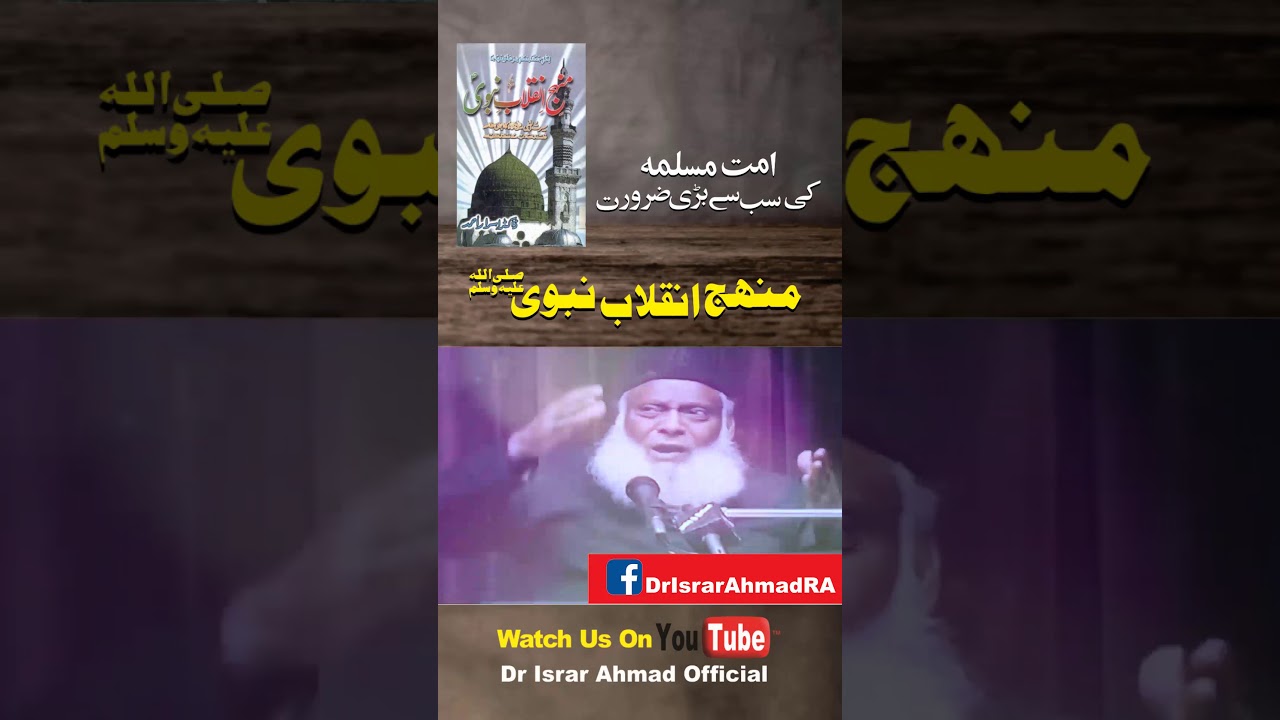
Dr. Israr Ahmad discusses the reasons behind the lack of fervor within the Muslim community, connecting it to a lack of understanding of the prophetic revolution. He argues that the current state of disillusionment and self-destructive behaviors – exemplified by acts of desperation and misguided aggression – stem from a loss of direction and a failure to comprehend the principles of the Prophet Muhammad’s revolutionary message. He emphasizes that without grasping the essence of this revolution, individuals will remain lost and misdirected.
375
The central theme of the Quran is faith in the unseen, encompassing knowledge of the metaphysical realm beyond sensory perception. This knowledge, revealed through Muhammad, forms the foundation of true understanding. The Quran provides guidance on both spiritual beliefs and practical life, addressing societal, economic, and personal conduct. It delineates permissible and forbidden actions, offering a comprehensive framework for a balanced and righteous life. This lecture clarifies that the Quran’s core message isn't simply a list of do's and don'ts, but a holistic system of belief and practice.
55
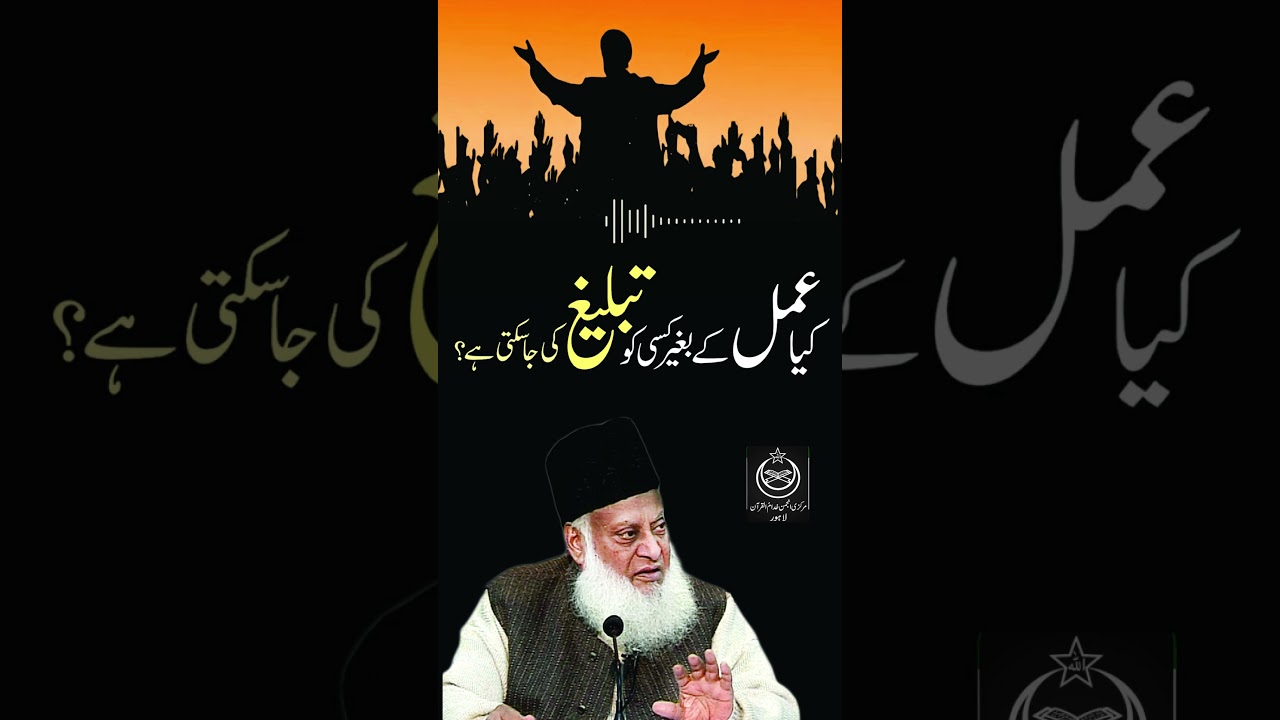
The speaker emphasizes the importance of self-accountability and inviting others to righteousness. He argues that while avoiding criticism is acceptable in personal agreements, actively promoting good deeds opens one's character to scrutiny, which is ultimately beneficial. He suggests that actively engaging in *dawat* (inviting to the right path) necessitates a willingness to examine one's own conduct. Avoiding self-reflection and failing to address personal flaws creates a hypocrisy that will be noted by others. The speaker also highlights that mutual silence regarding wrongdoing, though convenient, does not foster genuine improvement.
59

The core message of the Quran centers on the singular worship of Allah. This lecture explains that the foundational principle of the Quranic invitation is devotion to Allah alone, rejecting all other forms of worship. The Quran emphasizes establishing worship of the Creator, as highlighted in Surah Hud’s opening verses, which describe the Quran as a firmly established book with detailed revelations from the All-Knowing, Wise Creator. The Quranic command, 'Do not worship anyone besides Allah,' reinforces this central theme, making the exclusive worship of Allah the essence of the Quranic message. This singular devotion is the key takeaway of the entire scripture.
88
