Шорты
We live under the illusion of possessing faith when, in reality, we hold mere beliefs passed down through generations, a bundle of inherited convictions stored within our communities. True faith, or *iman*, is characterized by certain knowledge—knowledge of certainty, experiential certainty, and the certainty of truth. This certainty is a connection, a realization of being observed by God, a presence felt deeply. It encompasses belief in life after death, in Paradise and Hell, and the fundamental truth that true life resides in the afterlife.

52
The entirety of the Prophet Muhammad’s life and revolution revolves around the Quran. All systems of invitation, training, and spiritual purification are centered on its teachings. To ensure the continued dissemination of this knowledge within an Islamic state or system, a consistent educational practice is vital. The Friday congregation (Jumah) is proposed as a weekly system for continuous learning and revival of Quranic teachings within the community.
27
This lecture clarifies the permissibility of dedicating the reward of charitable deeds to others, specifically deceased parents or loved ones. It distinguishes between financial donations, where transferring the reward is acceptable, and acts of worship like prayer and Quran recitation, where the reward belongs solely to the worshipper. The speaker emphasizes that dedicating worship directly to anyone other than Allah constitutes shirk (associating partners with God) and renders the act impermissible. Financial charity’s reward can be transferred, but the reward for obligatory worship remains with the individual performing it.
95
This lecture addresses the pervasive issue of interest (riba) and gambling (qimar) within Pakistan’s economic system, arguing they contradict the principles of Islam upon which the nation was founded. The speaker issues a strong condemnation of these practices, stating they undermine the entire fabric of society and jeopardize spiritual well-being. He warns that continued engagement with interest-based economics will lead to divine punishment. The lecture emphasizes that even seemingly harmless activities, if reliant on interest or gambling, contribute to a systemic problem. The speaker suggests that a return to Islamic principles is crucial for societal and individual salvation.
52
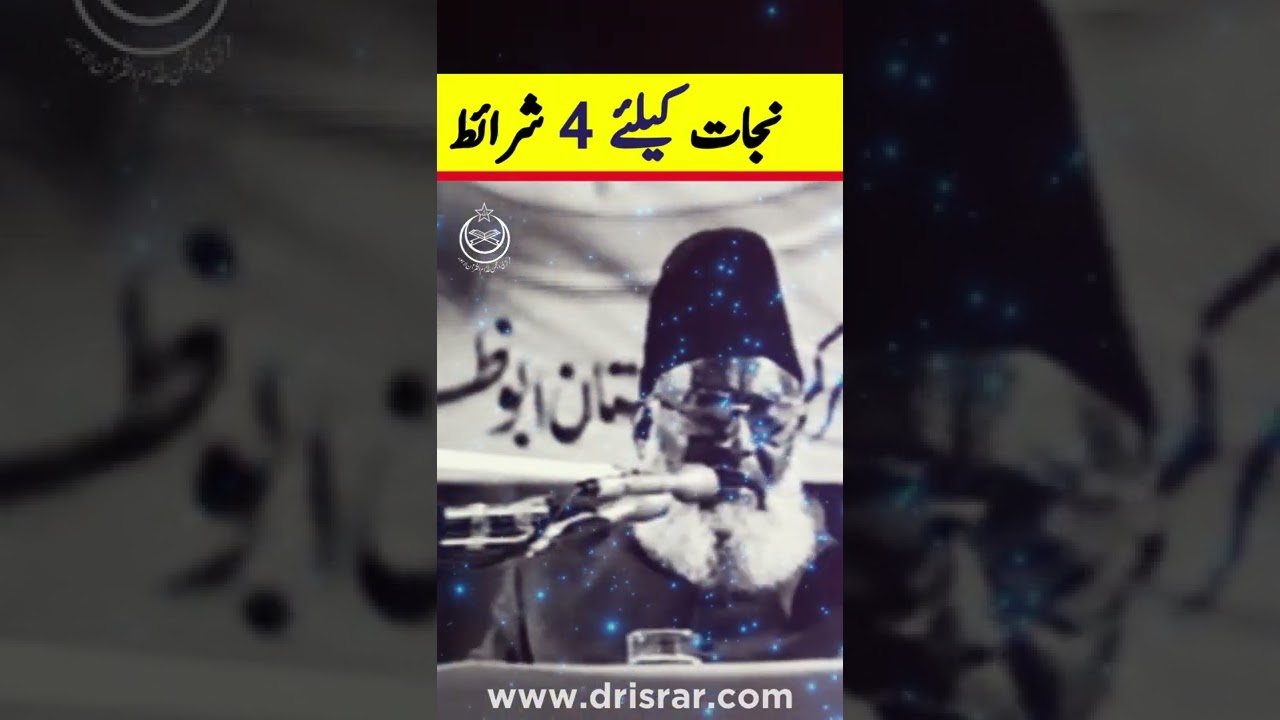
The Quran outlines four essential conditions for salvation: faith, righteous deeds, adherence to truth, and patience. These components form a complete prescription for spiritual well-being. Removing even one element invalidates the prescription, potentially leading to negative consequences instead of healing. Just as a patient cannot alter a doctor’s prescribed medication and expect positive results, one must fully embrace these four conditions to achieve salvation. These four elements constitute a complete prescription from God for spiritual healing and success.
51
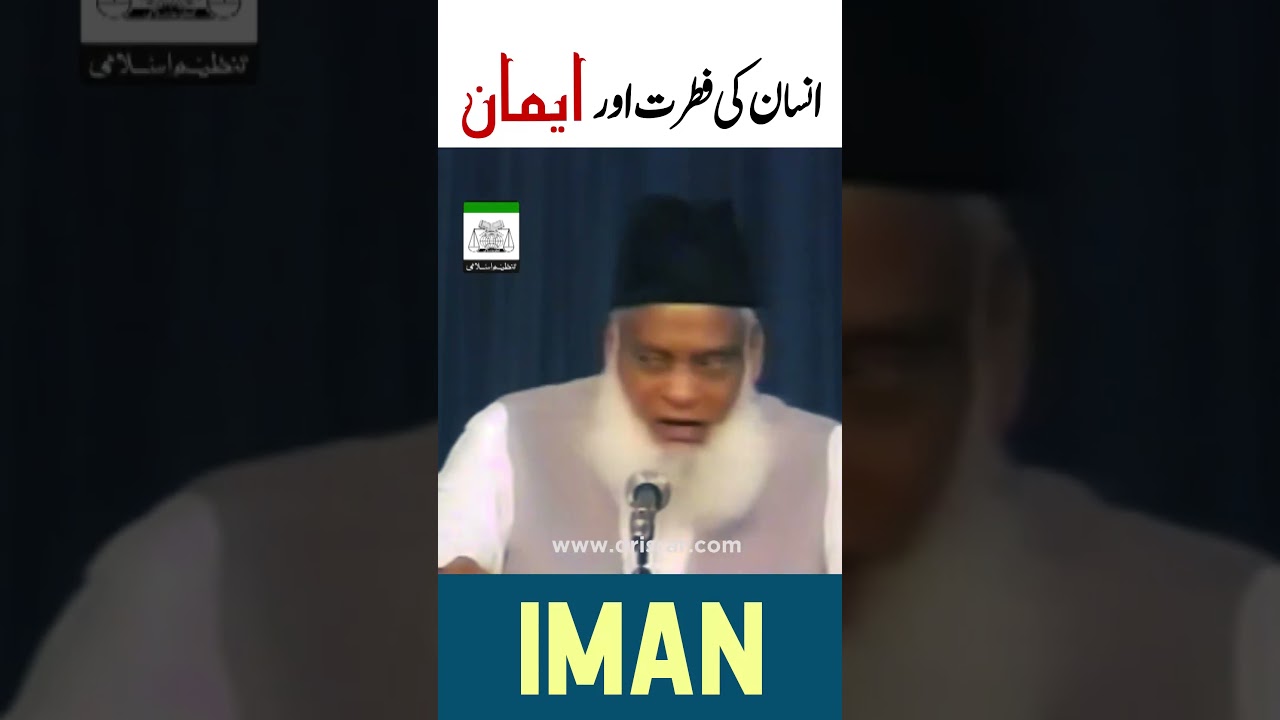
Faith is not merely an external practice, but an inherent connection to the Divine residing within each individual. The universe, from the earth to the heavens, serves as a constant reminder of God’s existence, power, knowledge, and wisdom. Introspection reveals this divine presence within the soul, a direct link to the Creator. Recognizing this inherent faith requires observation of the natural world and deep self-reflection. This connection is a natural part of human nature, a promise fulfilled through recognizing God’s signs in creation and within oneself.
24
