Celana pendek
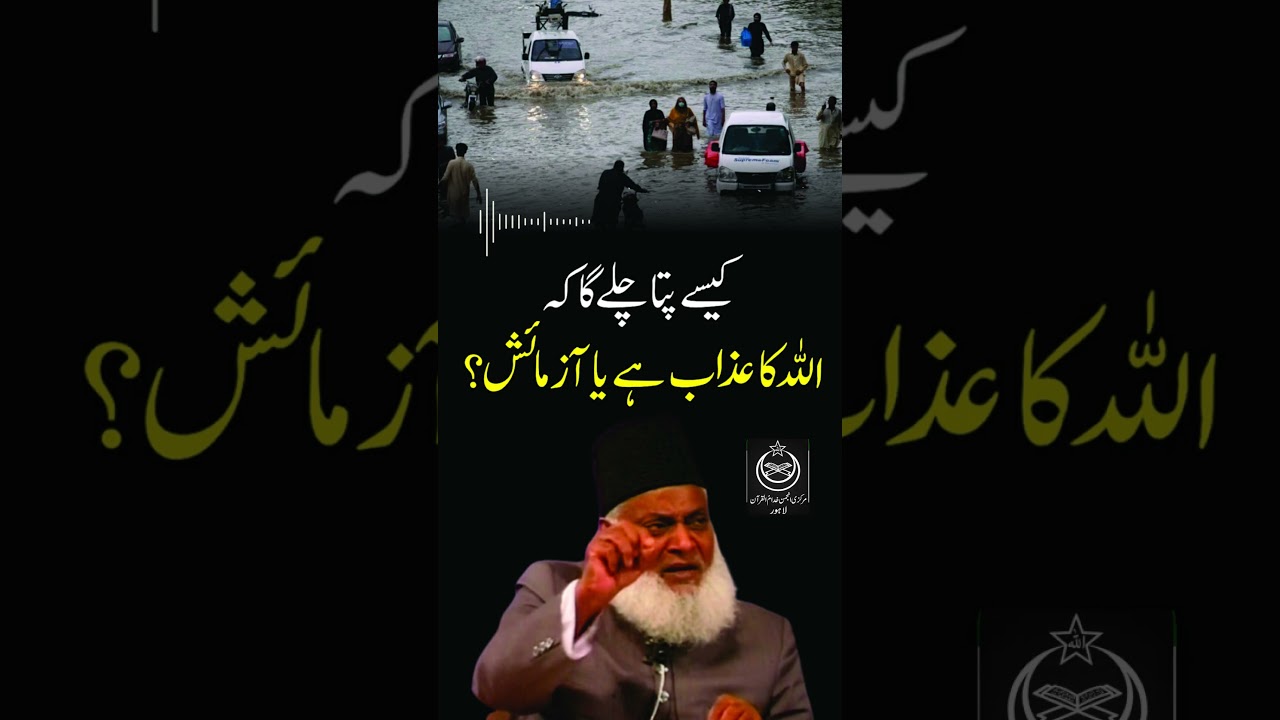
This lecture clarifies the distinction between trials (imtihan) and consequences (sada). It explains that both may appear similar externally, but the heart discerns their origin. Trials befall those striving on the righteous path, serving as tests from God. Consequences, however, stem from one’s actions. The heart will reveal whether a difficulty is a trial designed to elevate one’s status or a consequence requiring atonement. Recognizing this difference is crucial for spiritual growth and understanding divine justice.

56
This lecture emphasizes true repentance (tawbah) as requiring a complete removal of un-Islamic practices from one’s life, family, and economic activities. Superficial displays of religious observance, such as multiple pilgrimages or verbal expressions of regret, are insufficient without genuine behavioral change. The speaker criticizes hypocrisy, particularly continuing interest-based transactions after performing Hajj. True repentance demands a willingness to sacrifice even personal comfort or face hardship rather than compromise on Islamic principles. The lecture also addresses the decline of modesty and the erosion of Islamic values in Pakistan, lamenting the failure to establish a society grounded in Islamic ethics.
91

This lecture discusses the destructive nature of arrogance (takabbur) and its prohibition in Islam. It highlights that even a grain-sized amount of pride can prevent entry into paradise. God considers arrogance as a garment fit only for Him, and engaging in it is akin to stripping away His covering. The speaker emphasizes the importance of humility and recognizing one's limitations as essential qualities for spiritual growth and attaining divine favor. The lecture draws upon Quranic verses and prophetic traditions to illustrate the severity of arrogance and its consequences.
61

This lecture discusses a crucial inner assessment. One side of a metaphorical scale holds love for eight worldly things: father, son, siblings, spouse, relatives, wealth, skills, and home. The other side holds love for God, the Prophet, and striving in His path. True faith requires that the latter outweigh the former. Until this balance is achieved, one remains susceptible to worldly desires and divine guidance is withheld. Every individual must establish this internal scale to evaluate their spiritual state and prioritize devotion over material attachments. It emphasizes the importance of sincere faith and prioritizing spiritual values to attain divine guidance and success.
56

After witnessing a powerful earthquake, the Israelites questioned God’s plan. Moses pleaded for mercy, reminding God of their deliverance from Pharaoh and their current vulnerability. God responded by explaining the nature of His mercy: a universal mercy encompassing all creation, and a specific mercy reserved for those who follow His Messenger, the unlettered Prophet. This highlights the distinction between God's boundless compassion and the blessings bestowed upon the faithful who adhere to divine guidance.
75

This lecture explores the multifaceted greatness of Prophet Muhammad (peace be upon him). It distinguishes between his status as a prophet and his humanity, noting that understanding the full extent of his greatness is beyond human comprehension. The lecture emphasizes that only a prophet can truly appreciate the stature of another prophet, highlighting the unique qualities inherent in Prophethood. It explains that assessing the Prophet's significance requires a perspective beyond that of a mere physician or scholar, acknowledging his exceptional position in both spiritual and worldly affairs.
53
