ショーツ
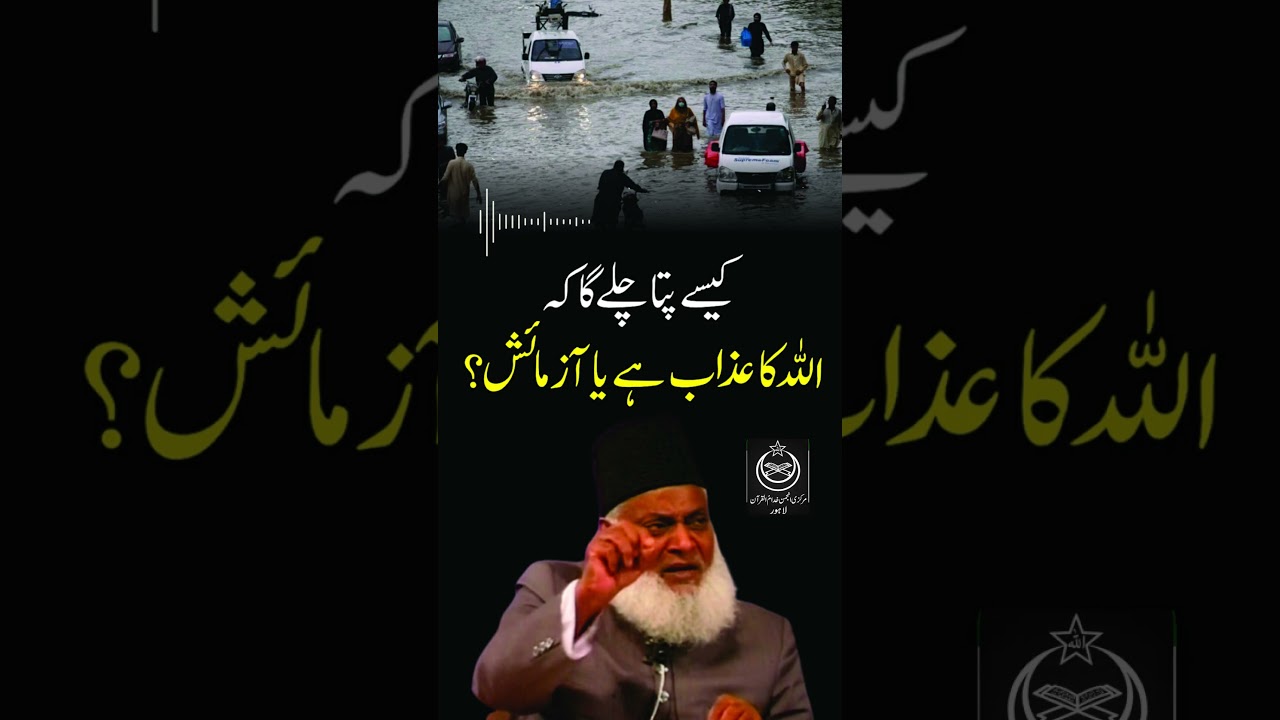
This lecture clarifies the distinction between trials (imtihan) and consequences (sada). It explains that both may appear similar externally, but the heart discerns their origin. Trials befall those striving on the righteous path, serving as tests from God. Consequences, however, stem from one’s actions. The heart will reveal whether a difficulty is a trial designed to elevate one’s status or a consequence requiring atonement. Recognizing this difference is crucial for spiritual growth and understanding divine justice.

56

This lecture emphasizes that success and overcoming challenges are only possible with the support of a divine force. It addresses the reasons for national decline and the imposition of external policies, asserting that true independence requires alignment with a higher power. The speaker warns against allowing external entities like the IMF and World Bank to dictate national fate, highlighting the need for policies rooted in faith and divine guidance. Without divine support, the nation risks continued subjugation and the loss of control over its own destiny.
88
This lecture emphasizes the transient nature of worldly life and the eternal significance of the Hereafter. It asserts that true life resides in the afterlife, urging listeners to prioritize preparation for it. The speaker highlights the fragility of existence, reminding viewers that death can occur unexpectedly. The discussion focuses on the importance of dedicating one's life to fulfilling either worldly needs or earning rewards for the afterlife, condemning actions devoid of these purposes as detrimental to faith. Ultimately, the message underscores the necessity of having unwavering belief in the ultimate reality of the afterlife.
113
Life is a journey with the afterlife as its ultimate destination. This world is a provision for the hereafter, not one’s permanent home. The core message emphasizes *taqwa* (God-consciousness) as the path to a meaningful existence. Humanity, originating from Adam and Eve, is interconnected and should maintain reverence for God in all dealings, recognizing Him as the ultimate source of fulfillment for all needs. The lecture stresses the importance of piety and recognizing our relationship with God and each other.
57

This lecture emphasizes the importance of fulfilling one’s duty to God by acknowledging and appreciating His countless blessings. It highlights how humans often remain unaware of the divine provisions sustaining them, using the example of vitamins present in everyday foods. True piety requires complete obedience to God’s commands and a constant awareness of His grace. Recognizing these blessings is essential for a life lived in accordance with divine will, demanding a commitment to acting in alignment with God’s guidance at all times.
68

The lecture clarifies that love for anyone or anything should not equal or exceed love for God. Equating love with God constitutes *shirk* (associating partners with God). The Quran states some people create equals to God and love them as they should love God. True believers, however, possess a stronger love for God. Love for parents and children is permissible, but it must not surpass the love for God. This principle ensures devotion remains solely to God, preventing the elevation of created beings to a level comparable to the Creator.
61
